The engineering feat that shattered the Hindenburg Line
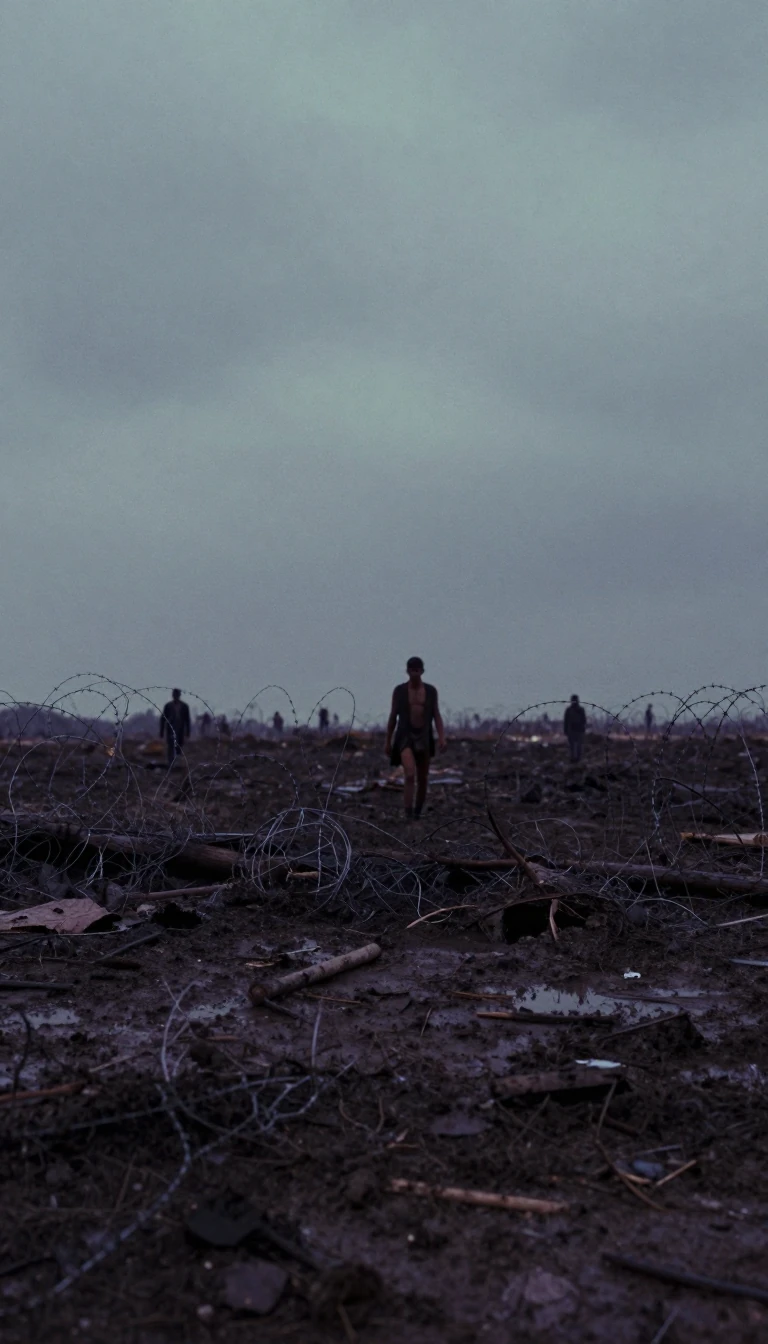
In short: During September 1918, the German Siegfriedstellung's most fortified section was confronted by Allied troops. To break it, they relied on a sophisticated doctrine of 'all arms' coordination, combining rolling barrages, smoke screens, and rapid pursuit to turn a static stalemate into a fluid breakthrough.
The Battle of St Quentin Canal was a pivotal moment in the Grand Offensive of 1918. The primary objective was to breach the Hindenburg Line, a formidable defensive system that utilized the St Quentin Canal as a natural barrier. The German defenses were well-established and well-wired, having been built up prior to the first battle of the Somme in July 1916. To overcome these fortifications, the Allied command planned an attack of immense weight and speed, designed to overrun enemy gun positions and force a complete breakthrough.
The Canadian Corps played a significant role in the broader 1918 campaign, employing a complex 'all arms' strategy. This involved the synchronized use of infantry, artillery, cavalry, tanks, and air services. Specifically, the Canadian 1st, 2nd, and 3rd Divisions were tasked with advancing across an 11-mile front. Their tactics included a rolling barrage and smoke screens to mask movements, with 'whippet' tanks and motor machine-guns following closely behind the infantry to exploit any success. The 3rd Division was tasked with a 7,000-yard advance to a 'Red Line' objective, while the 1st and 2nd Divisions were expected to push the full 14,000 yards.
The operation was also a study in logistical and human management. While the Australian Corps was intended to spearhead the attack, Lieutenant General Sir John Monash expressed concerns over his troops' exhaustion and manpower shortages. To bolster the force, the American II Corps—comprising the 27th and 30th Divisions—was integrated into the plan. To offer guidance and coordination, 217 Australian N.C.O.s and officers were tasked with assisting the inexperienced American soldiers. Despite some assumptions regarding declining German morale, the success of the breach was ultimately a result of intense engineering and organizational coordination.
theme-key-value-pairs perspective human-achievement wisdom thought-experiments hidden-mechanisms
myth-busting origins stories-behind strange-worlds
other-minds money-mechanics survival
Opens the Intellect+ feed with this card first. Swipe up for the next one.
Sources
- Summary by Intellect · source: 1st Canadian Division in the battles of 1918
- Also: Battle of St Quentin Canal
To cite this card, link to https://intellectplus.co.uk/app/wars-battle-of-st-quentin-canal.
How we source, check and correct cards: Editorial standards.
General information, not professional advice. Spotted an error? Flag the card or see corrections and complaints.
Intellect Plus is a visual educational discovery platform for exploring fascinating facts and ideas. Brain Food, Not Brain Rot. What is Intellect Plus?
Related
More in Western Front (WWI) · More in Wars & Conflicts · Latest · A–Z · All topics
