The 2004 Atlantic hurricane season was a record-breaking period of extreme, deadly tropical activity.
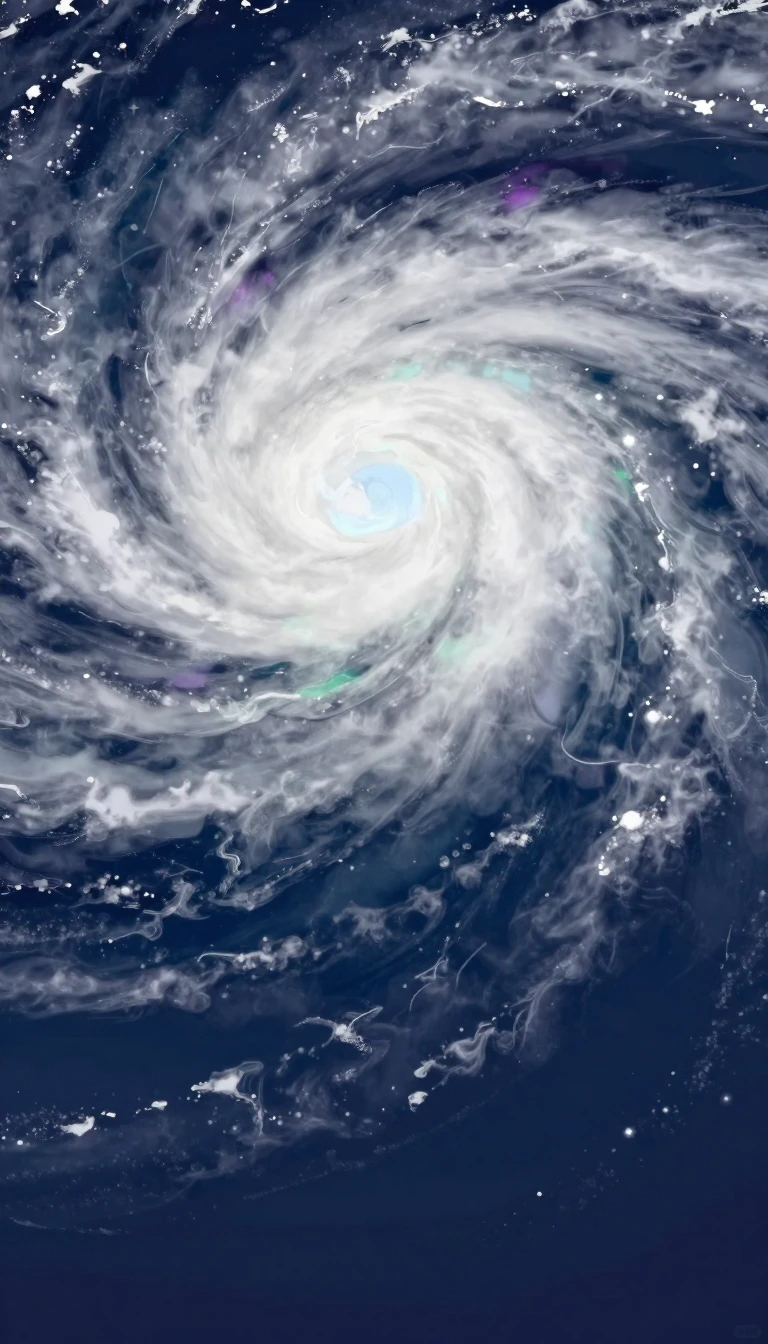
In short: With over 3,200 fatalities and $60.4 billion in damages, the 2004 Atlantic hurricane season stands as a landmark in meteorological history. Driven by a rare Modoki El Niño, the season saw sixteen tropical cyclones, including nine hurricanes, that pushed emergency response systems to their absolute limits across the Caribbean and United States.
The 2004 season was defined by its unusual intensity and the specific atmospheric conditions that fueled it. A rare Modoki El Niño—characterized by warmer sea surface temperatures in the central equatorial Pacific—created favorable conditions for storm development in the Atlantic basin. This resulted in an extremely active year, with sixteen tropical cyclones forming between June 1 and December 3. The season's accumulated cyclone energy (ACE) reached 227 units, a figure reflecting the high power and longevity of the storms, particularly Hurricane Ivan.
The human and economic toll was staggering. Hurricane Jeanne, while not the most intense, proved the deadliest, causing over 3,000 fatalities in Haiti due to catastrophic flooding and mudslides. Meanwhile, Hurricane Ivan, a Category 5 storm, devastated multiple Caribbean nations before striking the U.S. Gulf Coast. Together with Hurricanes Charley and Frances, these systems forced the American Red Cross and FEMA to conduct their largest operations since the 1994 Northridge earthquake. The season's total damage reached approximately $60.4 billion, making it the costliest on record at that time.
Beyond the destruction, the season set numerous meteorological records. Florida experienced a rare event, being directly impacted by four major hurricanes—Charley, Frances, Ivan, and Jeanne—in a single season, a frequency not seen in a U.S. state since 1886. Hurricane Ivan also produced a massive wave, potentially reaching 131 feet in height, and formed at an unusually low latitude of 10°N. While many of these records were surpassed by the even more active 2005 season, 2004 remains a critical case study in how atmospheric anomalies can concentrate severe weather into a single, devastating window of time.
Opens the Intellect+ feed with this card first. Swipe up for the next one.
Sources
- Summary by Intellect · source: 2004 Atlantic hurricane season
To cite this card, link to https://intellectplus.co.uk/app/places-2004-atlantic-hurricane-season.
How we source, check and correct cards: Editorial standards.
General information, not professional advice. Spotted an error? Flag the card or see corrections and complaints.
Intellect Plus is a visual educational discovery platform for exploring fascinating facts and ideas. Brain Food, Not Brain Rot. What is Intellect Plus?
Related
More in Bodies of water · More in Countries & Cities · Latest · A–Z · All topics
