How a massive wildfire in Alberta became the costliest natural disaster in Canadian history
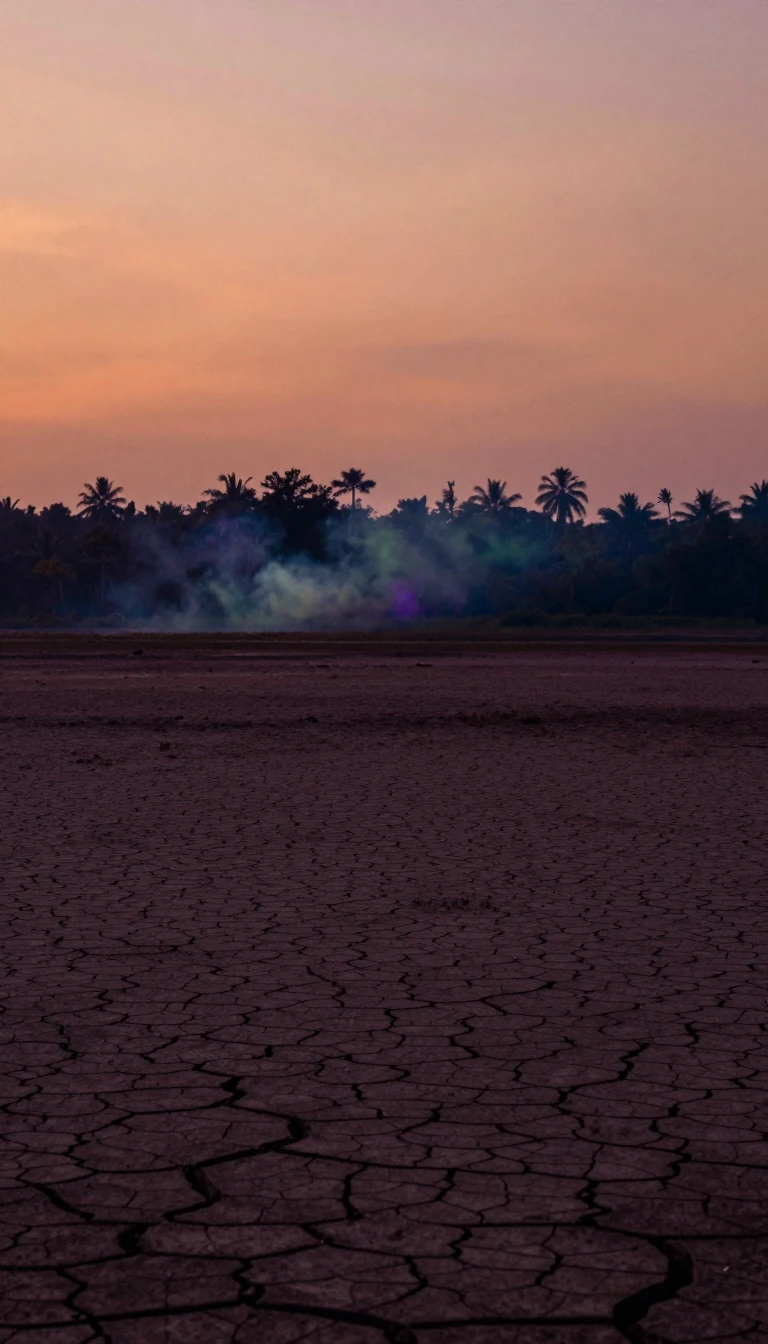
In short: In May 2016, a wildfire tore through the heart of Canada's oil sands, forcing the evacuation of over 90,000 people. The blaze, which grew to a staggering 579,767 hectares, destroyed thousands of homes and businesses, creating a firestorm so intense it generated its own weather patterns and lightning.
The disaster began on April 30, 2016, north of Fort McMurray. Fueled by an unusually hot, dry spring and a lack of winter snowpack, the fire intensified rapidly. By May 3, the blaze crossed Highway 63, cutting off the primary escape route for residents and forcing a mandatory evacuation of the entire city. The situation was exacerbated by extreme conditions, including temperatures exceeding 31 degrees Celsius and high winds, which allowed the fire to double in size to 2,656 hectares in just a few hours.
As the fire spread, it created a pyrocumulus-producing firestorm, generating its own wind influxes and lightning that sparked further ignition. At its peak, the effort to contain the blaze involved over 2,000 firefighters daily, supported by international crews from the United States, Mexico, and South Africa. The scale of the destruction was unprecedented, with 2,400 homes and businesses lost and an estimated damage cost of C$9.9 billion. While no direct fire-related fatalities were reported, two people died in a car crash during the chaotic evacuation process.
The event has sparked significant debate regarding the role of climate change in intensifying such wildfires. While scientists and politicians caution against linking any single fire directly to global warming, there is a consensus that the event aligns with a broader trend of more frequent and intense fire seasons. The fire was not fully brought under control until July 2016, and it continued to smoulder for over a year, leaving a lasting impact on the regional landscape and the communities within the Regional Municipality of Wood Buffalo.
Opens the Intellect+ feed with this card first. Swipe up for the next one.
Sources
- Summary by Intellect · source: Canadian Disaster Database
- Also: 2016 Fort McMurray wildfire
To cite this card, link to https://intellectplus.co.uk/app/places-2016-fort-mcmurray-wildfire.
How we source, check and correct cards: Editorial standards.
General information, not professional advice. Spotted an error? Flag the card or see corrections and complaints.
Intellect Plus is a visual educational discovery platform for exploring fascinating facts and ideas. Brain Food, Not Brain Rot. What is Intellect Plus?
Related
More in Bodies of water · More in Countries & Cities · Latest · A–Z · All topics
