The Abbey of Saint Gall: A Carolingian Powerhouse That Shaped Medieval European Culture
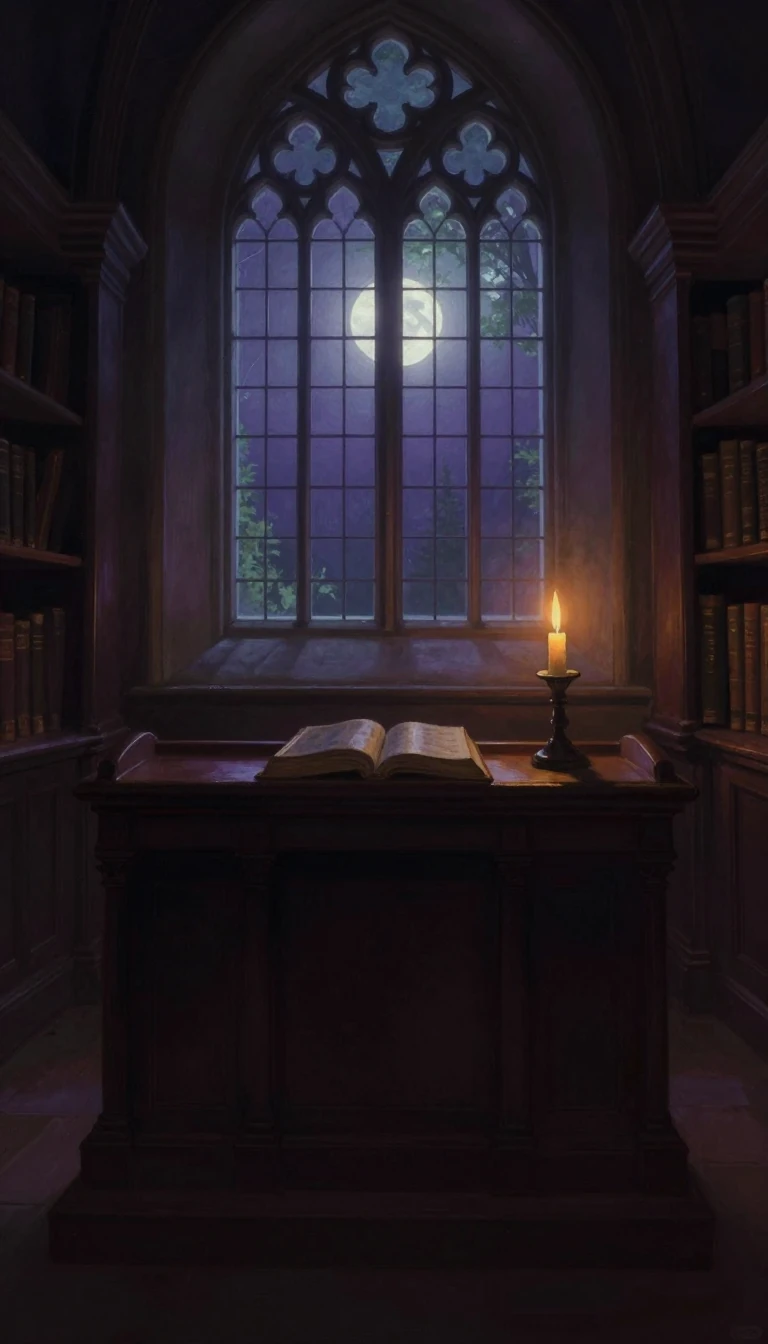
In short: Founded on a hermit's cell in the eighth century, the Abbey of Saint Gall evolved into a formidable principality and a beacon of intellectual life. Its library, one of the world's oldest, preserves architectural blueprints and musical notations that fundamentally altered the trajectory of Western history and monastic design.
The origins of the Abbey of Saint Gall trace back to the early seventh century, when the Irish monk Gallus established a hermitage in what is now Switzerland. Following his death in 646, the site became a place of pilgrimage. By 719, the local pastor Otmar, supported by the Frankish leader Charles Martel, transformed the site into a formal monastery. Under the Carolingian influence, the abbey flourished, becoming a center for arts, sciences, and the systematic copying of manuscripts. Its library grew to be one of the most significant in the medieval world, housing texts that have survived for over a millennium.
The abbey's influence extended far beyond its walls. It became an Imperial Abbey in 813, eventually reaching full autonomy by 854. During the ninth century, it served as a hub for scholars who developed early forms of musical notation, known as neumes, which preceded modern staff notation. Perhaps its most remarkable artifact is the Plan of St. Gall, a ninth-century architectural drawing created between 820 and 830. This document remains the only surviving major architectural plan from the seven-century period following the collapse of the Western Roman Empire, offering a rare glimpse into the ideal design of a Carolingian monastery.
The abbey's history was marked by both cultural achievement and political turmoil. It faced threats from the Magyars in the tenth century and survived a devastating fire in 937. As the city of St. Gallen grew, the relationship between the town and the abbey shifted from one of servitude to conflict, culminating in the town's independence in 1457. Despite the secularization of the abbey in 1805, its legacy endures. In 1983, the site was designated a UNESCO World Heritage Site, recognized as a perfect example of a great Carolingian monastery, with its library continuing to preserve thousands of priceless medieval manuscripts.
Opens the Intellect+ feed with this card first. Swipe up for the next one.
Sources
- Summary by Intellect · source: Abbey of Saint Gall
- Also: Wikidata — Abbey of Saint Gall · CC0
To cite this card, link to https://intellectplus.co.uk/app/places-abbey-of-saint-gall.
How we source, check and correct cards: Editorial standards.
General information, not professional advice. Spotted an error? Flag the card or see corrections and complaints.
Intellect Plus is a visual educational discovery platform for exploring fascinating facts and ideas. Brain Food, Not Brain Rot. What is Intellect Plus?
Related
More in World Heritage Sites · More in Countries & Cities · Latest · A–Z · All topics
