How a remote Alpine monastery became a masterpiece of Carolingian art and power
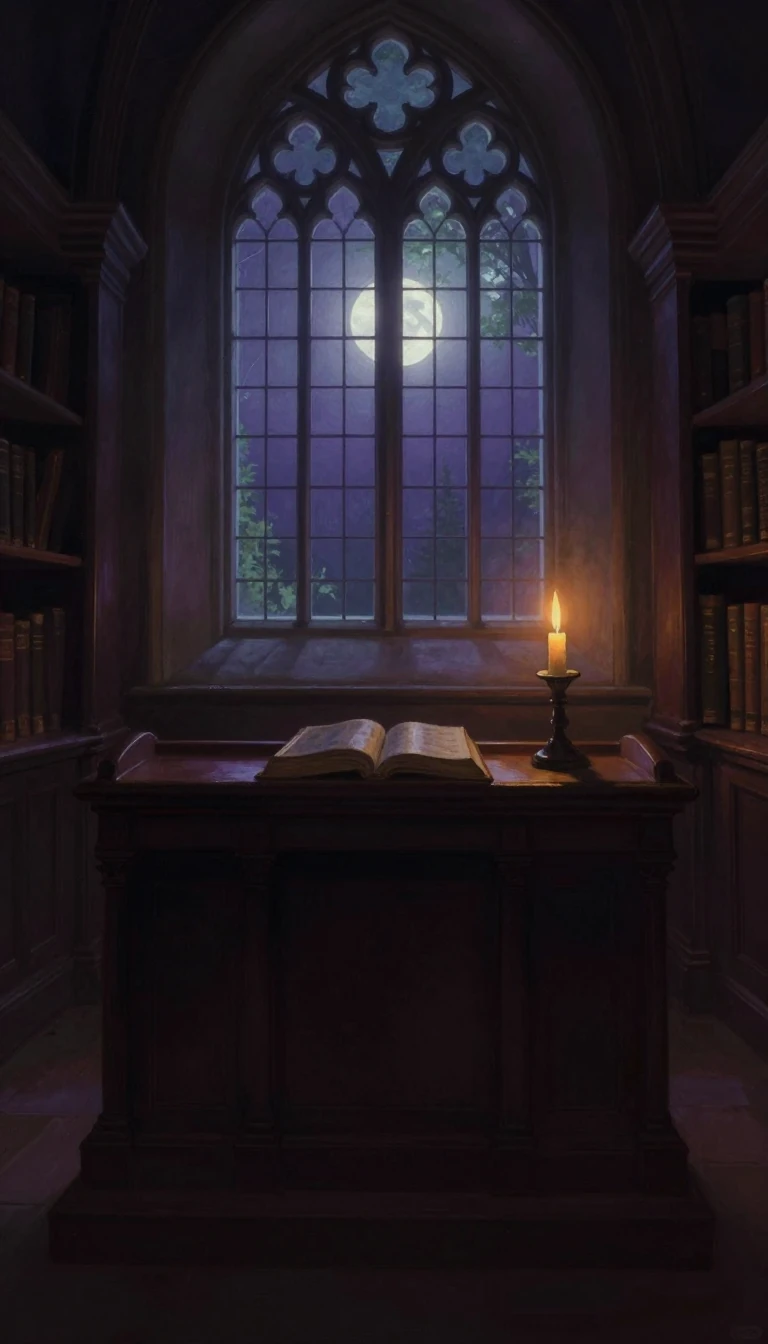
In short: Perched on a vital mountain pass, the Abbey of Saint John in Müstair served as both a strategic fortress and a canvas for the Carolingian Renaissance. Its walls hold some of the most significant early medieval frescoes in existence, revealing how art once functioned as a tool for mass education.
Established around 780, likely under the direction of Charlemagne, the Abbey of Saint John was part of a broader monastic expansion designed to stabilize the Frankish Kingdom. These monasteries functioned as training grounds for missionaries and centers for educating the clergy. By controlling the Val Müstair pass, the abbey also served as a fortified outpost, reflecting the intersection of religious mission and geopolitical strategy in the early Middle Ages.
The abbey's artistic legacy is defined by its remarkable frescoes, which UNESCO recognizes as Switzerland's greatest series of figurative murals. Painted around 800, these works blend Roman, Christian, and Germanic styles to depict biblical narratives, including the life of King David and the Passion of Christ. These images were essential for communicating complex theological concepts to a largely illiterate population, with the Last Judgment fresco specifically serving to reinforce the church's moral authority and the necessity of confession.
The site underwent significant transformations over the centuries. In the 11th and 12th centuries, the abbey expanded, adding a tower and a double chapel, while new Romanesque frescoes were painted over older works. These hidden layers were only rediscovered during 20th-century restoration efforts. By 1167, the abbey had transitioned from a monastery for monks to one for nuns, and by 1500, the original Carolingian single-nave structure was modified into a three-nave late Gothic church, marking the end of its primary era of architectural innovation.
Opens the Intellect+ feed with this card first. Swipe up for the next one.
Sources
- Summary by Intellect · source: Saint John Abbey, Müstair
To cite this card, link to https://intellectplus.co.uk/app/places-saint-john-abbey-m-stair.
How we source, check and correct cards: Editorial standards.
General information, not professional advice. Spotted an error? Flag the card or see corrections and complaints.
Intellect Plus is a visual educational discovery platform for exploring fascinating facts and ideas. Brain Food, Not Brain Rot. What is Intellect Plus?
Related
More in World Heritage Sites · More in Countries & Cities · Latest · A–Z · All topics
