The desert town that rose from a camel's refusal to move
In short: In Late Antique Egypt, a wandering camel stopped dead in the sand, signaling a divine destiny. This moment birthed Abu Mena, a massive pilgrimage empire that once dominated the Christian world, only to face a modern battle against rising waters and disappearing foundations.
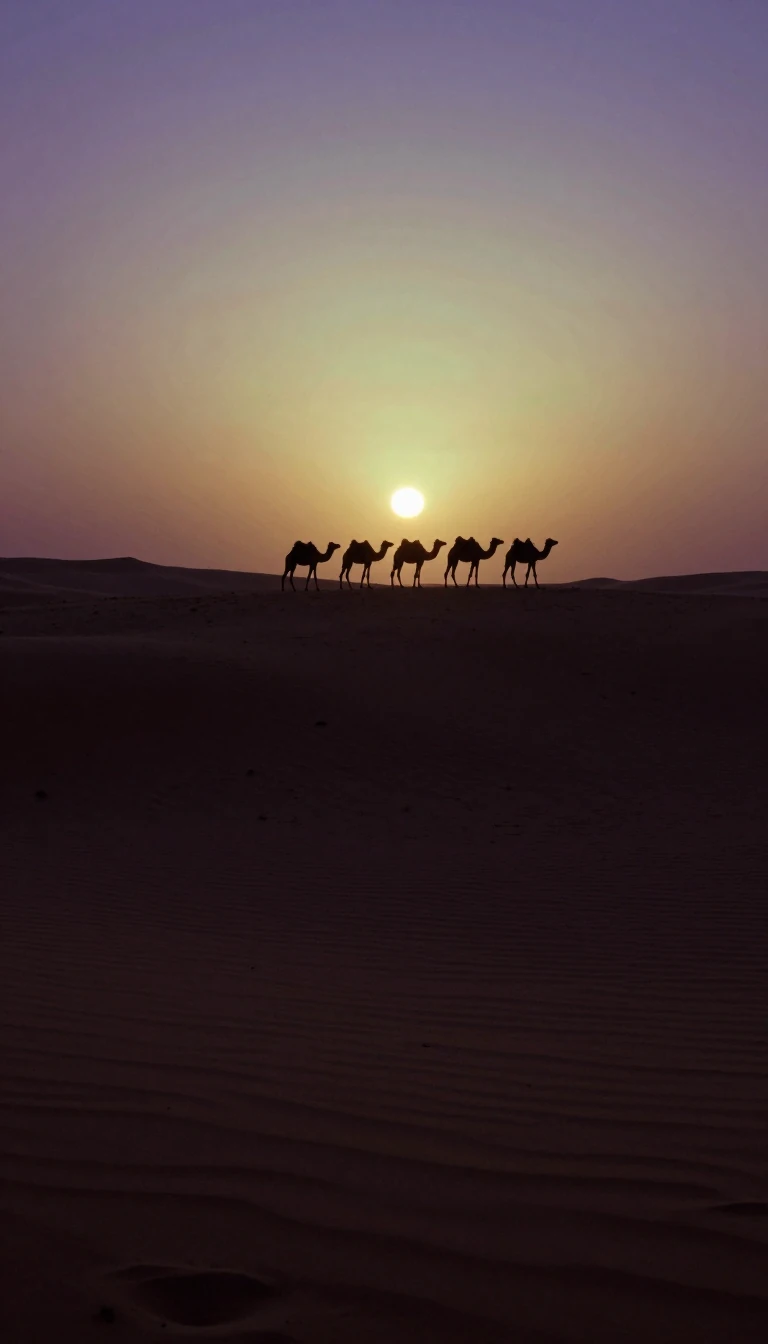
The origins of Abu Mena lie in a legend from the late 3rd or early 4th century involving Menas of Alexandria. According to accounts, when his body was being transported by camel beyond Lake Mareotis, the animal refused to advance, prompting his attendants to bury him on that exact spot. This site soon became Martyroupolis, a premier destination for those seeking miracles. One such legend, recorded in the Ethiopian Synaxarium, tells of a shepherd who discovered the shrine after a sheep was healed by a local spring, leading to a massive influx of pilgrims.
By the late 4th century, the site had expanded significantly. While some traditions credit Emperor Constantine I with ordering the first church, archaeologists date the original foundations to this era. Under the reign of Arcadius, the local archbishop requested further expansion to accommodate overwhelming crowds. The pilgrimage economy even extended to the nearby port of Philoxenite, established in the mid-6th century by the Byzantine figure Philoxenos to serve as a transit hub for travelers.
The site's physical legacy is found in 'Menas flasks'—small terracotta ampullae used to carry holy oil or water, found widely across the Western Mediterranean. However, the site's survival is currently precarious. Recent agricultural irrigation has raised the water table, causing the surrounding hard clay soil to become unstable. This has led to the collapse of structures, including cisterns. Although the site was removed from UNESCO's List of World Heritage in Danger in 2025 after previous periods of instability, modern conservationists are now proposing advanced solutions, such as a solar-powered, smart-membrane dome to regulate humidity and airflow.
Opens the Intellect+ feed with this card first. Swipe up for the next one.
Sources
- Summary by Intellect · source: Abu Mena
- Also: Wikidata — Abu Mena · CC0
To cite this card, link to https://intellectplus.co.uk/app/places-abu-mena.
How we source, check and correct cards: Editorial standards.
General information, not professional advice. Spotted an error? Flag the card or see corrections and complaints.
Intellect Plus is a visual educational discovery platform for exploring fascinating facts and ideas. Brain Food, Not Brain Rot. What is Intellect Plus?
Related
More in World Heritage Sites · More in Countries & Cities · Latest · A–Z · All topics
