The Admiralty Islands: A Volcanic Archipelago Shaped by Ancient Migrations and Colonial Ambition
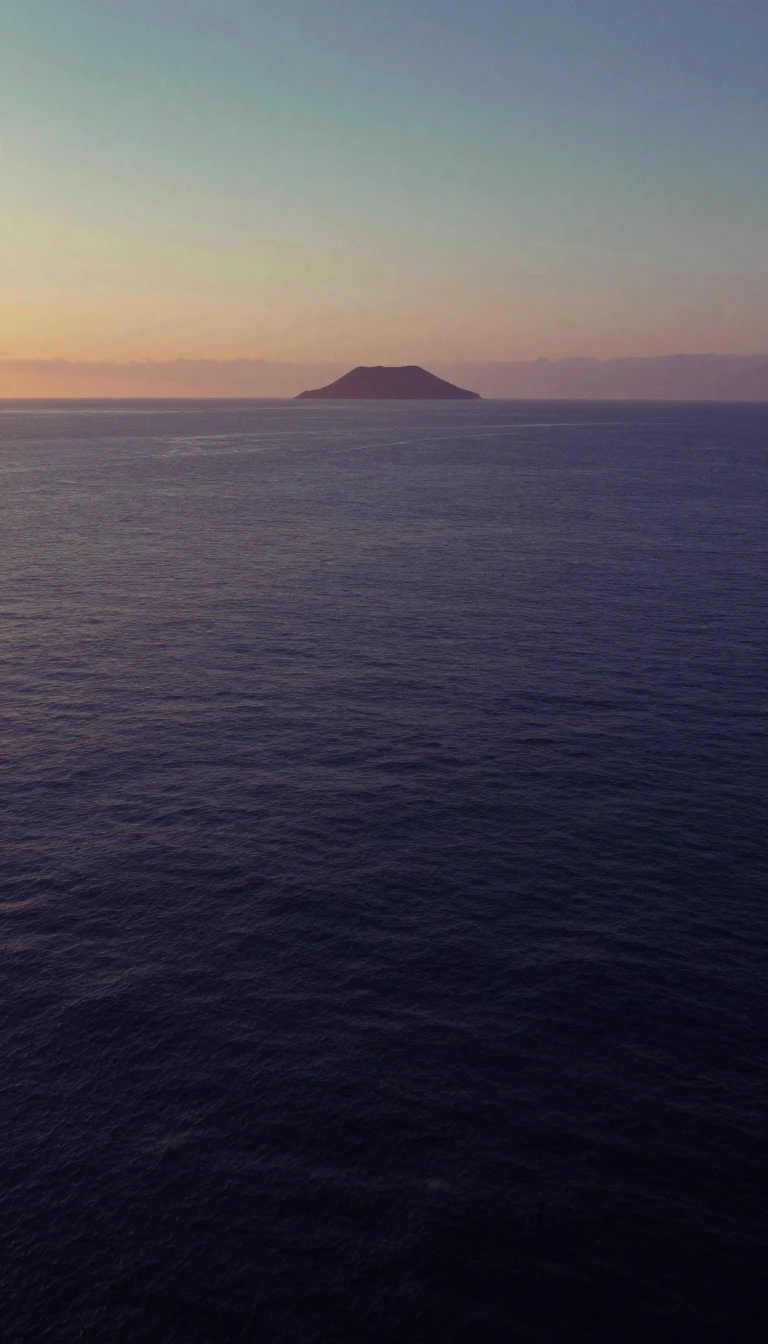
In short: Located 190 miles off the coast of Papua New Guinea, the Admiralty Islands comprise about 40 volcanic islands. Beyond their lush rainforests and endemic wildlife, these islands hold a complex history of early human migration, colonial shifts, and a unique indigenous social movement that emerged after the Second World War.
The Admiralty Islands, an extension of the Bismarck Archipelago, are primarily defined by the volcanic Manus Island, which constitutes the majority of the land area. Geologically, the islands likely emerged from the ocean floor during the late Miocene, roughly 8 to 10 million years ago. Today, the region remains a biodiversity hotspot, home to rare species such as the Admiralty Island cuscus and the Manus fantail, with much of the original rainforest still intact despite some clearing for coconut farming.
Human history in the archipelago stretches back approximately 40,000 years, marking one of the earliest waves of migration out of Southeast Asia. These early inhabitants practiced agriculture and engaged in regional obsidian trade. By 3,500 years ago, the Lapita culture arrived, bringing advanced pottery, stilt-house construction, and domesticated animals before the culture’s trade network collapsed around 2,000 years ago. European contact began in 1528 with Álvaro de Saavedra, followed by Willem Schouten in 1616, and finally the naming of the group by Captain Philip Carteret in 1767.
Modern political history reflects the turbulent shifts of the 20th century. The islands were part of a German protectorate in 1884, captured by Australia in 1914, and subsequently mandated to that nation in 1921. During World War II, the islands were occupied by Japan from 1942 to 1944. Following the war, the islands became part of the UN Trust Territory of New Guinea before finally joining an independent Papua New Guinea in 1975. Amidst these changes, the indigenous Melanesian population developed the Paliau movement, a significant social and religious shift founded by Paliau Maloat.
Opens the Intellect+ feed with this card first. Swipe up for the next one.
Sources
- Summary by Intellect · source: Admiralty Islands | Melanesian, Bismarck Archipelago, Manus Island | Britannica
- Also: Admiralty Islands
To cite this card, link to https://intellectplus.co.uk/app/places-admiralty-islands.
How we source, check and correct cards: Editorial standards.
General information, not professional advice. Spotted an error? Flag the card or see corrections and complaints.
Intellect Plus is a visual educational discovery platform for exploring fascinating facts and ideas. Brain Food, Not Brain Rot. What is Intellect Plus?
Related
More in Islands · More in Countries & Cities · Latest · A–Z · All topics
