Why your emotional state dictates how much of the world you actually see
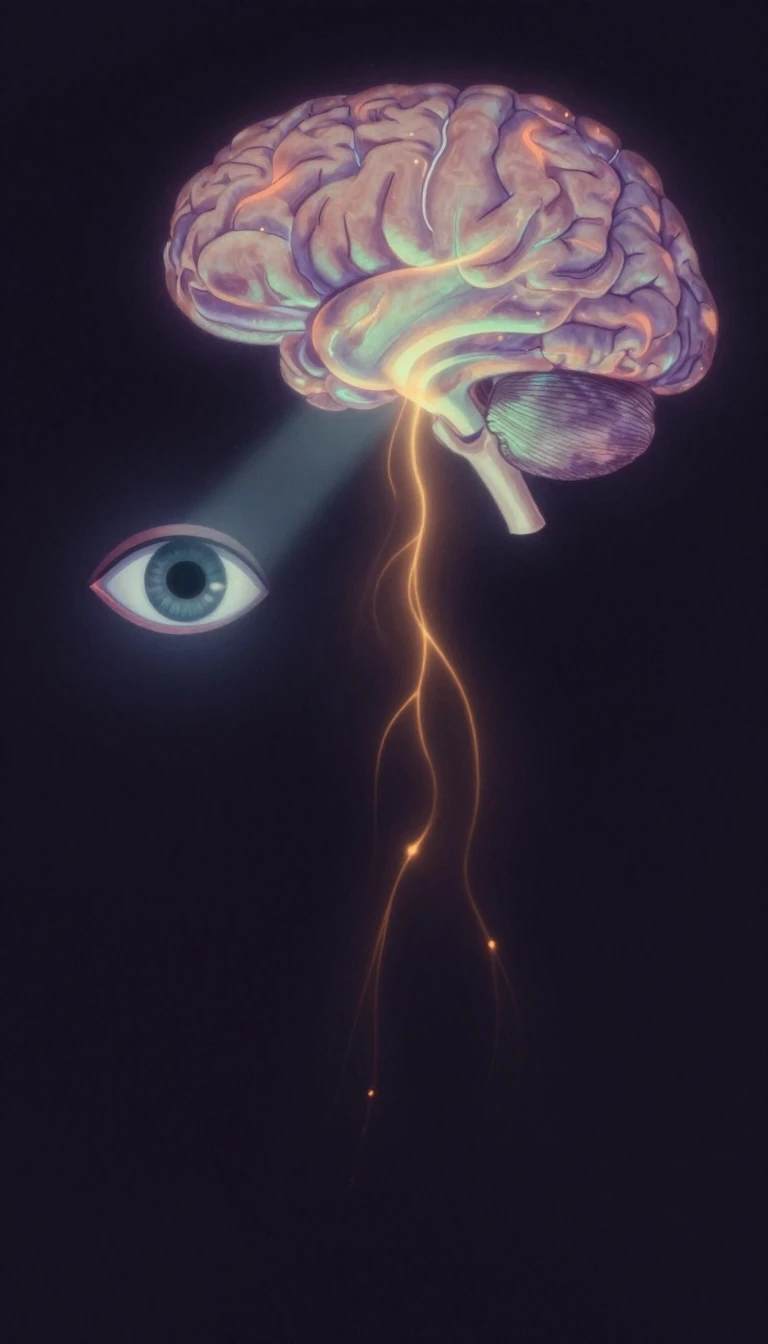
In short: You might think your focus is steady, but your brain constantly adjusts its scope based on your current emotional intensity. When you feel a strong urge to act, your vision narrows to a single point. When you are calm, your mind expands to take in the broader context of your surroundings.
In psychology, affect is the fundamental experience of feeling, emotion, or mood. While often used interchangeably with related terms, it is distinct from cognition. Modern research, tracing back to Wilhelm Wundt in the 19th century, suggests affect operates along three primary dimensions: valence, which measures if an experience is positive or negative; arousal, the physiological activation of the nervous system; and motivational intensity, the strength of an individual's urge to move toward or away from a stimulus.
The relationship between affect and cognitive scope is a central area of study. Early theories suggested positive affect broadened cognitive scope while negative affect narrowed it. However, more recent evidence indicates that motivational intensity is the true driver. Affects high in motivational intensity—such as fear, anger, disgust, or even the desire for dessert—narrow cognitive scope, enabling intense focus on central, goal-directed information. Conversely, affects low in motivational intensity, such as sadness, broaden cognitive scope, allowing for a wider, more global interpretation of one's environment.
This mechanism is evolutionarily adaptive, helping organisms prioritize action when survival or reward is at stake. For example, the fear of a predator necessitates a narrow focus to facilitate escape. This narrowing effect also has clinical implications; for instance, alcohol-related cues can trigger a narrowed attentional focus in individuals motivated to drink, a phenomenon linked to the Alcohol Myopia Theory. Understanding these shifts in cognitive scope provides a framework for how we process information, make decisions, and regulate our behavior in response to the world around us.
Beyond these dynamics, affect is deeply tied to our internal and social lives. Concepts like affect tolerance—the ability to experience feelings without judgment—can be bolstered by mindfulness, which reduces emotional reactivity. Meanwhile, the inability to identify or describe these states, known as alexithymia, is associated with significant mental health risks. Ultimately, affect is not merely a reaction; it is a complex, non-conscious system that shapes how we perceive, interact with, and navigate our environment.
Opens the Intellect+ feed with this card first. Swipe up for the next one.
Sources
- Summary by Intellect · source: Affect (psychology)
To cite this card, link to https://intellectplus.co.uk/app/places-affect-psychology.
How we source, check and correct cards: Editorial standards.
General information, not professional advice. Spotted an error? Flag the card or see corrections and complaints.
Intellect Plus is a visual educational discovery platform for exploring fascinating facts and ideas. Brain Food, Not Brain Rot. What is Intellect Plus?
Related
More in Basics · More in Countries & Cities · Latest · A–Z · All topics
