The Alcázar of Seville is a layered palimpsest of Islamic, Gothic, and Renaissance history.
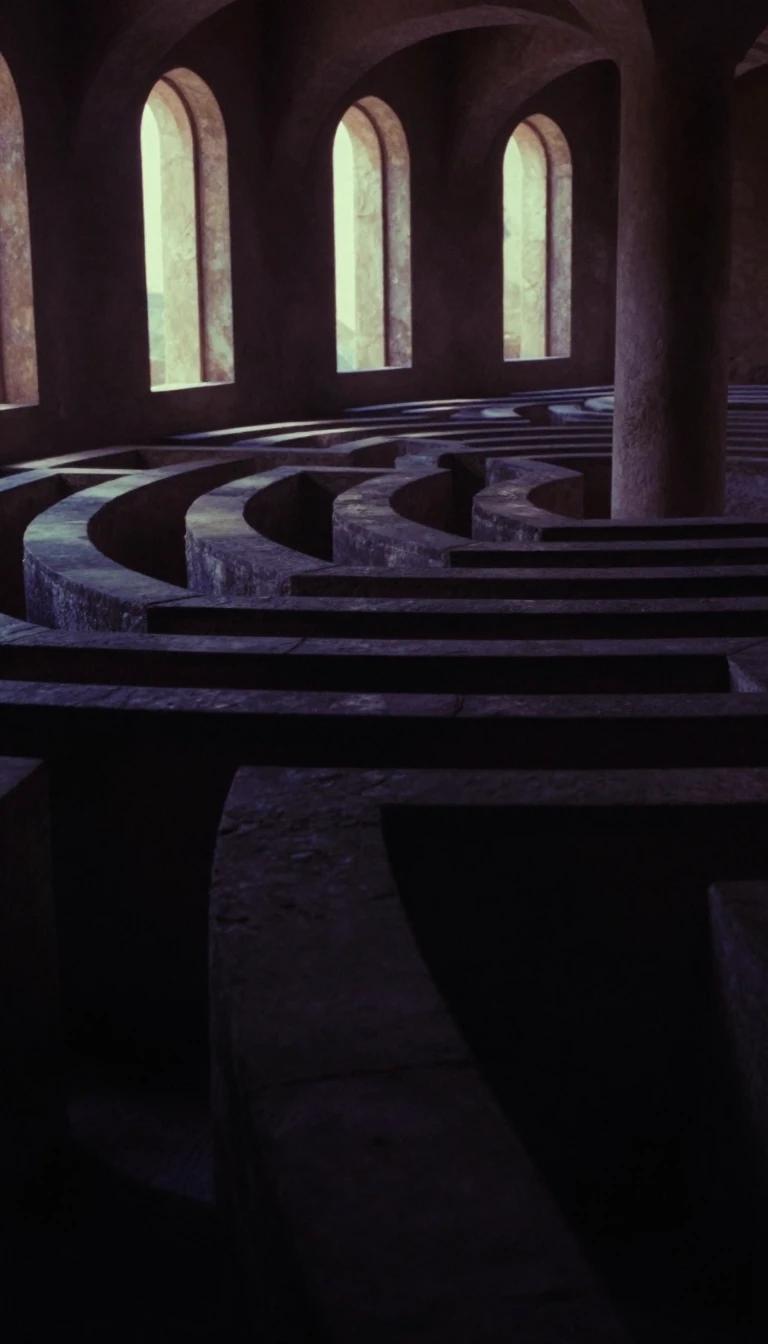
In short: This royal palace is not a single building but a centuries-long architectural conversation. From its origins as a 10th-century Islamic citadel to its transformation into a Mudéjar masterpiece under Pedro I, the site reveals how conquering powers repurposed the foundations of their predecessors to project authority and prestige.
The Alcázar began in 913–914 when Abd al-Rahman III built a fortified enclosure over a Visigothic basilica. Over the next centuries, the Abbadid and Almohad dynasties expanded the site into a sprawling complex of palaces and gardens. By 1169, the Almohad governor had constructed approximately twelve palaces within the walls. Today, only fragments of this era remain, such as the Patio del Yeso, which was rediscovered in 1890 after being hidden for centuries.
Following the 1248 conquest by Ferdinand III of Castile, the site underwent radical changes. Alfonso X commissioned a Gothic palace in 1258, incorporating earlier Almohad elements. However, the most iconic transformation occurred in the 1360s under Pedro I. He built a lavish Mudéjar palace, likely employing craftsmen sent by his Nasrid ally, Muhammad V. This structure, featuring the Hall of the Ambassadors, blended Islamic decorative techniques with Christian royal requirements, creating a unique aesthetic that persists today.
The palace continued to evolve long after the Middle Ages. Charles V added a Renaissance-style upper story to the Patio de las Doncellas between 1540 and 1572, while the 1755 Lisbon earthquake necessitated repairs and new construction, including work by Sebastian Van der Borcht. Excavations between 2002 and 2005 even revealed that the Patio de las Doncellas once housed a sunken garden, buried in the 1580s and only recently restored to its original layout.
The Alcázar remains an active residence for the Spanish royal family, who occupy the upper storeys during visits. Its name, derived from the Arabic al-qaṣr, reflects its enduring identity as a place of projected power. Whether through the intricate majolica tiles of the 16th century or the ancient Almohad walls, the palace serves as a physical record of the shifting cultural and political tides of the Iberian Peninsula.
Opens the Intellect+ feed with this card first. Swipe up for the next one.
Sources
- Summary by Intellect · source: Alcázar of Seville
To cite this card, link to https://intellectplus.co.uk/app/places-alc-zar-of-seville.
How we source, check and correct cards: Editorial standards.
General information, not professional advice. Spotted an error? Flag the card or see corrections and complaints.
Intellect Plus is a visual educational discovery platform for exploring fascinating facts and ideas. Brain Food, Not Brain Rot. What is Intellect Plus?
Related
More in Europe and Russia · More in Countries & Cities · Latest · A–Z · All topics
