How a millennial artist is reviving the ancient art of ghazal
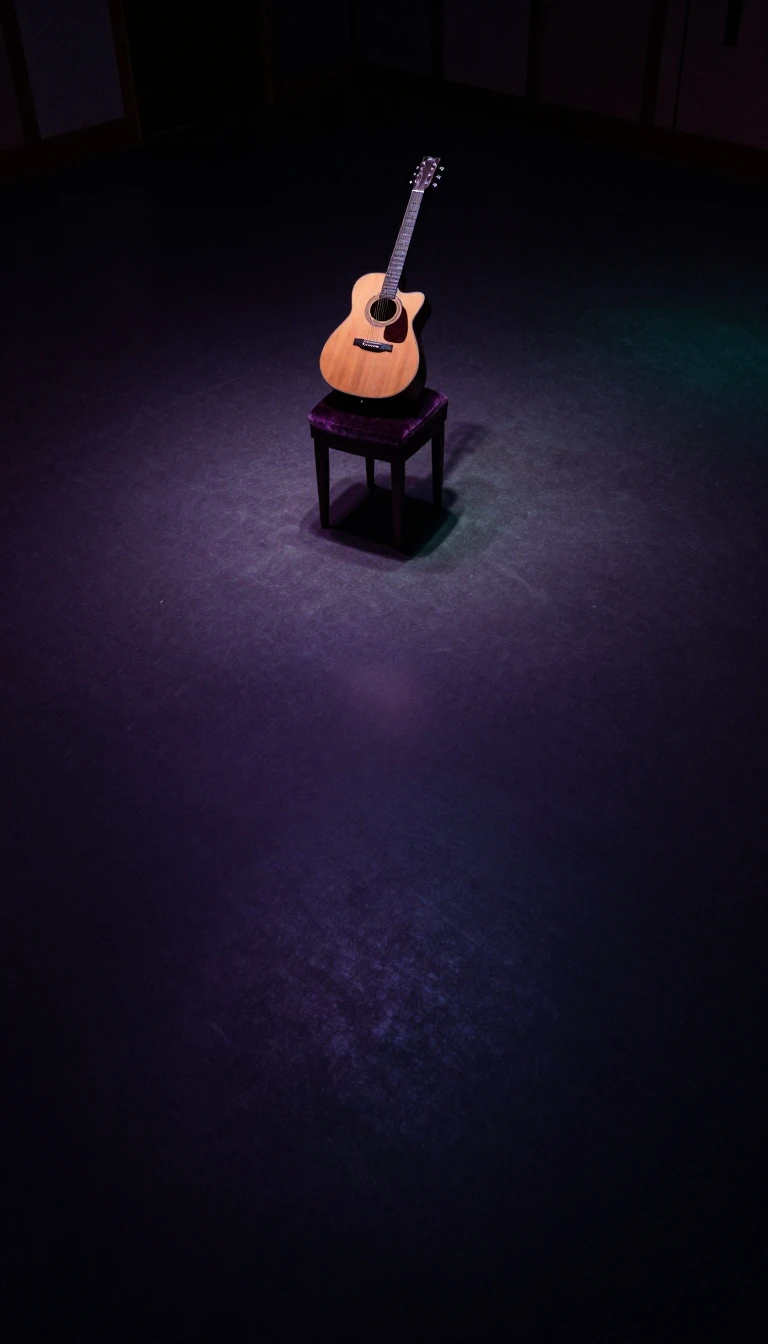
In short: Ali Sethi isn't just singing old songs; he is repositioning an ancient classical form as a modern genre. By blending Hindustani ragas with contemporary Western arrangements, he has turned traditional folk and ghazals into a global phenomenon, reaching over one billion views on YouTube Music.
Born in Lahore to prominent journalists and politicians, Ali Sethi grew up in a house where the musical landscape was uniquely diverse. In the late 1990s and early 2000s, his environment blended Sufi shrine music, Bollywood hits, traditional qawwali, and Western pop. This exposure shaped his taste for 'sublime' musical combinations, specifically influencing his appreciation for the abstract lyrics of Gulzar and the wayward tunes of R. D. Burman.
Sethi’s formal journey began in 2008 when he apprenticed under Ustad Naseeruddin Saami of the Delhi gharana, followed by Farida Khanum in 2012. From Saami, he learned how Vedic chants and Turkic/Persian melodies fused in medieval India to create microtones that were more flexible than Western scales. His career took off globally in 2015 with a Coke Studio debut of the Punjabi folk song "Umraan Langiyaan," which established him as a millennial practitioner of classical music.
His most significant commercial breakthrough came in 2022 with the single "Pasoori." It became the first Pakistani song to top Spotify's "Viral 50 - Global" chart. Beyond popularity, Sethi is recognized for his scholarly approach; he often performs with historical context and etymological roots of Urdu words. In 2023, he was appointed as the first Artist in Residence at Brown University’s Saxena Center for Contemporary South Asia to explore these cultural intersections.
Sethi's work also serves a political and social purpose. As an author of the acclaimed novel "The Wish Maker" (2009), he documents turbulent phases of Pakistani history. His writing and music both advocate for an inclusive, syncretic Pakistan. He has been recognized by Time magazine for using ancient ragas to challenge modern notions of gender, sexuality, and belonging.
Opens the Intellect+ feed with this card first. Swipe up for the next one.
Sources
- Summary by Intellect · source: Ali Sethi
- Also: Wikidata — Ali Sethi · CC0
To cite this card, link to https://intellectplus.co.uk/app/places-ali-sethi.
How we source, check and correct cards: Editorial standards.
General information, not professional advice. Spotted an error? Flag the card or see corrections and complaints.
Intellect Plus is a visual educational discovery platform for exploring fascinating facts and ideas. Brain Food, Not Brain Rot. What is Intellect Plus?
Related
More in Cities · More in Countries & Cities · Latest · A–Z · All topics
