How a brief Russian occupation redefined the layout of a Greek city
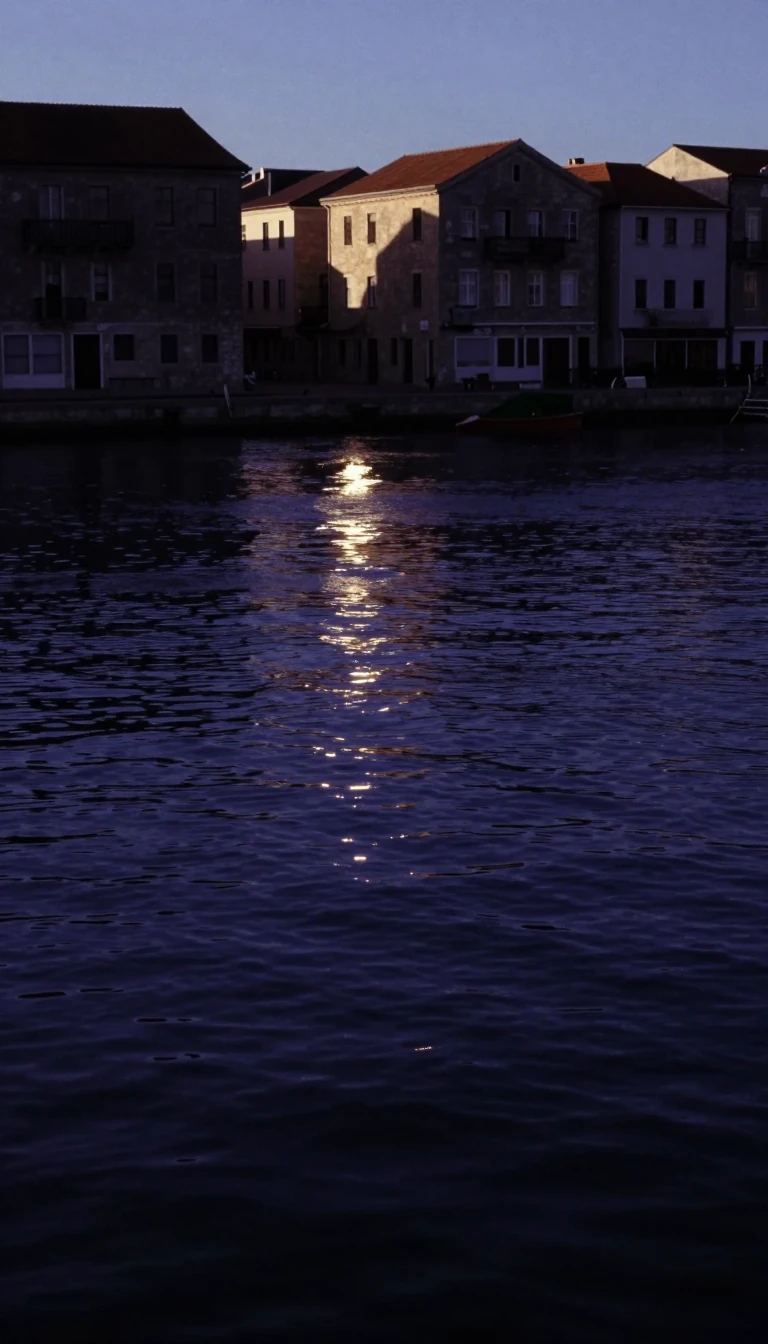
In short: Most cities are defined by their founders, but Alexandroupolis owes its urban DNA to a brief Russian military presence. During the Russo-Turkish War, Russian officers rejected traditional Ottoman architecture in favor of wide, parallel streets, creating a layout that persists today in this strategic Mediterranean port.
During the early 1800s, Alexandroupolis originated as a tiny fishing hamlet while governed by the Ottomans. Originally known as Dedeağaç, its name is derived from a Turkish wise man (dede) who lived under the shade of a tree (ağaç). Originally serving as a landing site for Samothrace's coastal fishers, the area expanded while a railway linking Constantinople and Macedonia was being built. The city's physical structure underwent a radical shift during the Russo-Turkish War (1877–1878). When Russian forces captured the village, the officers in charge intentionally designed the reconstruction to favor military mobility. To facilitate rapid military movement, they designed broad, side-by-side roads, deliberately bypassing the cramped lanes and dead-ends typical of contemporary Ottoman town layouts. This brief military intervention left a permanent mark on the city's geography. The city's sovereignty has been a complex tapestry of shifting borders. It was captured by Bulgaria in 1912, then by Greece in 1913, only to be returned to Bulgaria by the Treaty of Bucharest in 1913. It eventually came under Greek control again following World War I, being renamed Alexandroupolis in 1920 to honor King Alexander I. Today, it serves as a vital commercial center and a strategic port for both Greece and NATO on the eastern flank of the alliance. The settlement grew as engineers from Austria-Hungary were assigned to the railway project. It eventually became a kaza in 1873. The town also served as a seat for a pasha.
theme-key-concept
perspective human-achievement
hidden-mechanisms
Opens the Intellect+ feed with this card first. Swipe up for the next one.
Sources
- Summary by Intellect · source: Alexandroupolis
- Also: Wikidata — Alexandroupolis · CC0
To cite this card, link to https://intellectplus.co.uk/app/places-alexandroupolis.
How we source, check and correct cards: Editorial standards.
General information, not professional advice. Spotted an error? Flag the card or see corrections and complaints.
Intellect Plus is a visual educational discovery platform for exploring fascinating facts and ideas. Brain Food, Not Brain Rot. What is Intellect Plus?
Related
More in Cities · More in Countries & Cities · Latest · A–Z · All topics
