The Antipodes Islands: A Remote New Zealand Outpost Named for Its French Opposite
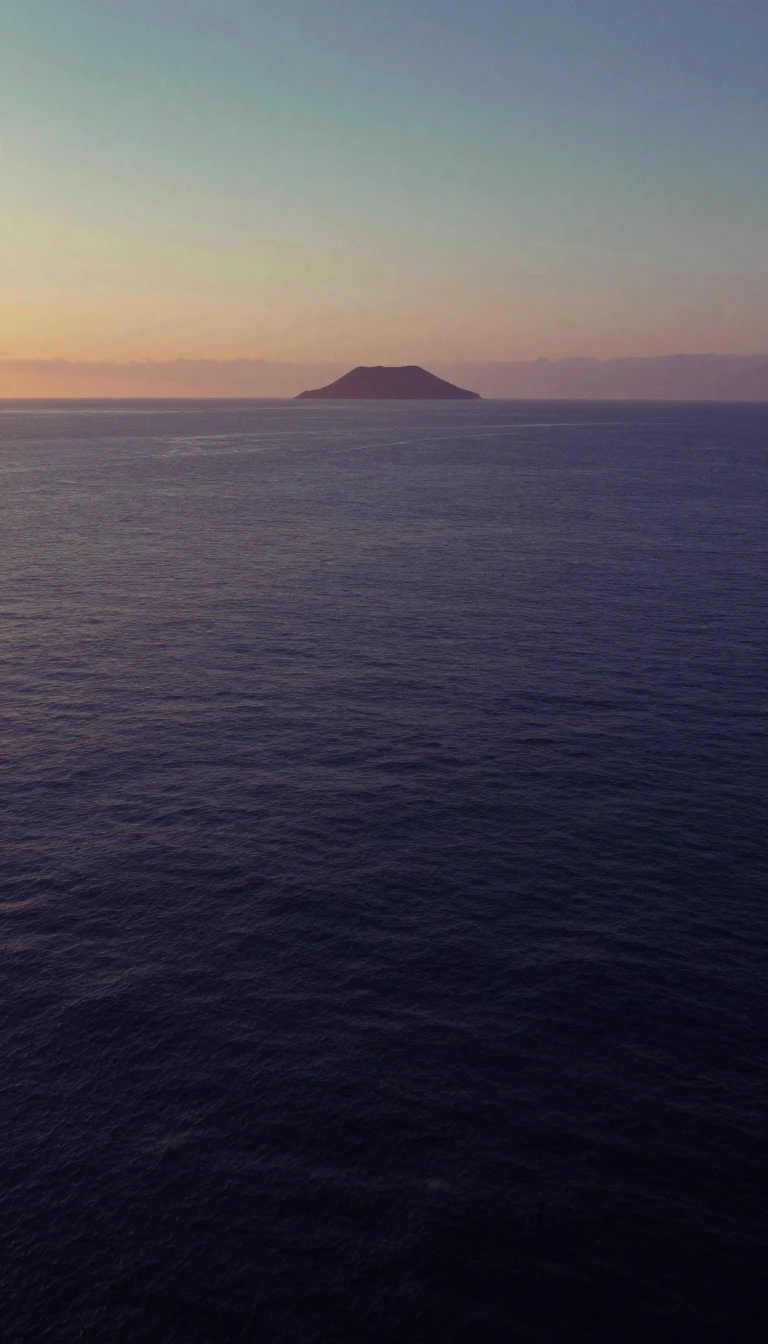
In short: Located hundreds of miles southeast of New Zealand, the Antipodes Islands are a rugged, uninhabited subantarctic archipelago. Once a target for industrial-scale sealing, these volcanic lands are now a protected nature reserve. Their name reflects a curious geographical irony, as they sit nearly opposite the coast of Normandy, France.
The Antipodes Islands comprise a central island and several smaller islets, covering a total land area of approximately 24 square miles. Situated 350 miles southeast of New Zealand’s South Island, this group is defined by steep coastal cliffs and an interior that rises toward volcanic peaks. The archipelago is part of the New Zealand outlying islands, existing as a nature reserve that requires a permit for public access.
The name 'Antipodes' stems from the group's proximity to the antipodes of London. However, the precise opposite point of the main island actually aligns with the Normandy coast in France, near the village of Gatteville-le-Phare. Despite their remote and inhospitable nature, the islands were once the site of intense human activity. Following their discovery in 1800 by Captain Henry Waterhouse of HMS Reliance, the islands became a focal point for a sealing boom. Between 1805 and 1807, American sealing gangs arrived, harvesting approximately 60,000 seals in a single year.
Today, the islands are recognized as a UNESCO World Heritage site, valued for their ecological significance within the subantarctic tundra ecoregion. Unlike other remote territories that have seen permanent human settlement or military development, the Antipodes remain largely untouched by modern infrastructure. While there have been historical claims regarding early Polynesian visitation—specifically a 1886 report of a pottery shard—these have been thoroughly debunked by the Museum of New Zealand Te Papa Tongarewa, which found no evidence of such artifacts in its collections.
The islands serve as a reminder of the planet's vast, forgotten corners. They represent the southeasternmost landmass outside of Antarctica, standing as a stark contrast to the more populated or strategically militarized islands of the South Pacific. By remaining a protected reserve, the Antipodes continue to exist as a sanctuary for wildlife, far removed from the shipping lanes and air routes that define the modern world.
Opens the Intellect+ feed with this card first. Swipe up for the next one.
Sources
- Summary by Intellect · source: Antipodes Islands | Wildlife, Seabirds, Conservation | Britannica
- Also: Antipodes Islands
- Also: Antipodes Islands Nature Reserve
To cite this card, link to https://intellectplus.co.uk/app/places-antipodes-islands.
How we source, check and correct cards: Editorial standards.
General information, not professional advice. Spotted an error? Flag the card or see corrections and complaints.
Intellect Plus is a visual educational discovery platform for exploring fascinating facts and ideas. Brain Food, Not Brain Rot. What is Intellect Plus?
Related
More in Islands · More in Countries & Cities · Latest · A–Z · All topics
