How a Greek capital city was built on a swamp to chase trade
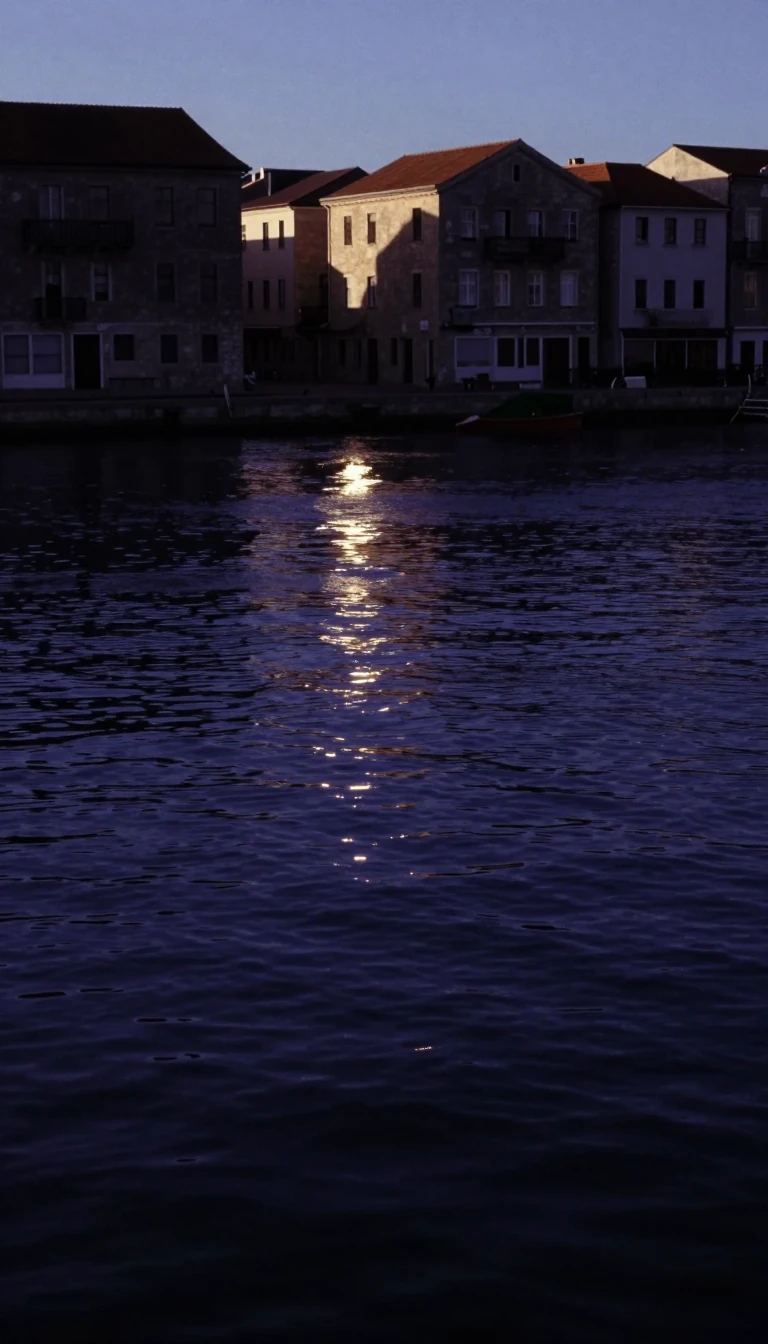
In short: Argostoli, the administrative heart of Kefalonia, was not always the island's capital. In 1757, residents abandoned the old hilltop stronghold of Agios Georgios, moving down to a sheltered bay to capture new commercial opportunities. This shift transformed a malaria-ridden swamp into a bustling port and a modern cultural hub.
The transformation of Argostoli from a marshy landscape to a thriving municipality is a story of strategic adaptation. The Koutavos Lagoon, which sits at the end of the bay, was once an impassable, mosquito-infested swamp. During the British occupation of the Ionian Islands, the landscape was physically altered to improve connectivity. In 1813, Colonel Charles Philip de Bosset oversaw the construction of a wooden bridge across the lagoon, which was later reinforced with stone arches and eventually fully rebuilt in stone. This structure remained in continuous use for nearly two centuries until its closure in 2005.
Argostoli’s geography also hosts a rare geological curiosity known as the Katovothres, or 'Swallow Holes.' Located along the coastal road, these holes draw in seawater that travels beneath the island, passing through the underground Melissani lake before re-emerging in the Karavomylos area of Sami about fourteen days later. This natural flow was once harnessed in 1835 to power a water mill, demonstrating how the town’s development was deeply intertwined with its unique physical environment.
The town’s history is marked by significant resilience against disaster. Much of the original architecture was lost during the 1943 German bombing and the catastrophic 1953 earthquake that leveled nearly all of Kefalonia. Despite these losses, the town rebuilt its identity, including the restoration of the Fanari lighthouse—originally built in 1829—which now features its classic Doric-style columns. Today, Argostoli serves as the primary administrative and economic hub of the island, maintaining a long-standing, playful cultural rivalry with the nearby city of Lixouri, which historically served as the island's cultural center.
Opens the Intellect+ feed with this card first. Swipe up for the next one.
Sources
- Summary by Intellect · source: Argostoli
- Also: Wikidata — Argostoli · CC0
To cite this card, link to https://intellectplus.co.uk/app/places-argostoli.
How we source, check and correct cards: Editorial standards.
General information, not professional advice. Spotted an error? Flag the card or see corrections and complaints.
Intellect Plus is a visual educational discovery platform for exploring fascinating facts and ideas. Brain Food, Not Brain Rot. What is Intellect Plus?
Related
More in Bodies of water · More in Countries & Cities · Latest · A–Z · All topics
