Why thousands of soldiers remain nameless in a quiet French cemetery
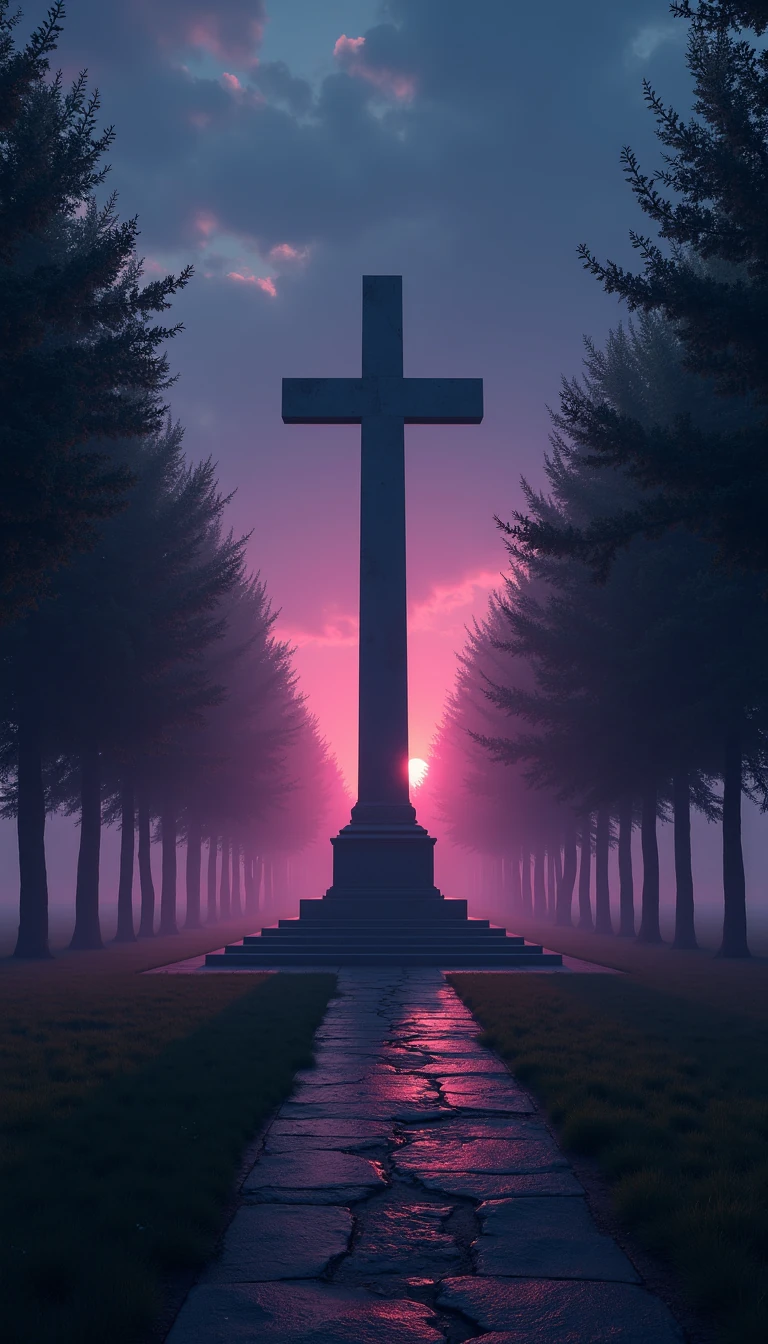
In short: The Arras Memorial stands as a silent testament to 35,942 soldiers who vanished during the Great War. Located in France, this site honors those from the United Kingdom, South Africa, and New Zealand whose final resting places were never identified. It serves as a haunting reminder of the scale of loss.
Situated within the Faubourg d'Amiens British Cemetery in Arras, this memorial commemorates servicemen who perished in the region from early 1916 until August 7, 1918. This specific timeframe marks the period leading up to the Advance to Victory, after which casualties were recorded on different monuments. The site is notable for its exclusions; Canadian and Australian soldiers are honored elsewhere, specifically at the Vimy and Villers-Bretonneux memorials, respectively.
The architecture of the site was the vision of Sir Edwin Lutyens, featuring sculptural work by Sir William Reid Dick. The memorial was officially unveiled on July 31, 1932, by Lord Trenchard, a pivotal figure who commanded the Royal Flying Corps in France between 1915 and 1917. Trenchard’s career also included a brief tenure as the inaugural Chief of the Air Staff in 1918, followed by his leadership of the Independent Air Force. The ceremony was attended by notable figures such as Victoria Cross recipient Richard Bell-Davies.
Beyond the thousands of soldiers, the site also hosts the Arras Flying Services Memorial, which remembers 991 airmen who also have no known graves. The names etched into these stones represent a diverse cross-section of society, including the poet T.P. Cameron Wilson and several prominent sportsmen like Walter Tull and Sandy Turnbull. In total, 13 recipients of the Victoria Cross are honored across the two memorials, including figures such as Edward Mannock and Lanoe George Hawker. These monuments remain a somber focal point for those seeking to understand the immense human cost of the conflict in the Pas-de-Calais region.
The memorial functions as a vital historical anchor, ensuring that the missing are not entirely forgotten. By grouping these individuals by their specific theater of war and the nature of their service, the site provides a structured way to process the overwhelming statistics of the First World War. It remains a place of reflection, where the individual stories of athletes, poets, and pilots are preserved alongside the thousands of anonymous lives lost in the mud of the Arras front.
Opens the Intellect+ feed with this card first. Swipe up for the next one.
Sources
- Summary by Intellect · source: Arras Memorial
- Also: Wikidata — Arras Memorial · CC0
To cite this card, link to https://intellectplus.co.uk/app/places-arras-memorial.
How we source, check and correct cards: Editorial standards.
General information, not professional advice. Spotted an error? Flag the card or see corrections and complaints.
Intellect Plus is a visual educational discovery platform for exploring fascinating facts and ideas. Brain Food, Not Brain Rot. What is Intellect Plus?
Related
More in World Heritage Sites · More in Countries & Cities · Latest · A–Z · All topics
