Arwen Undómiel: The Elven Princess Who Chose Mortality for the Sake of Love
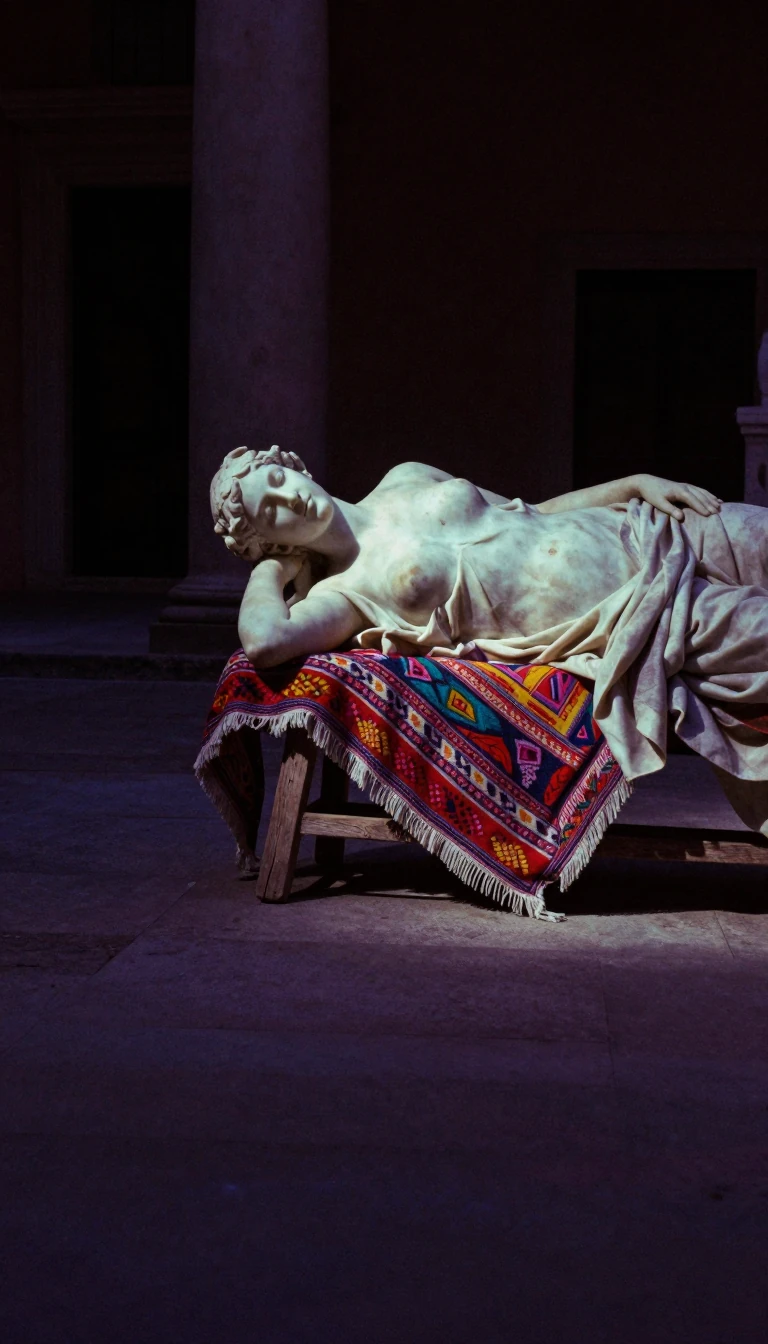
In short: In J.R.R. Tolkien’s legendarium, Arwen is a high-born Elf who sacrifices her immortality to marry the human king, Aragorn. While her literary role is subtle and internal, film adaptations have transformed her into an active warrior and a central figure, sparking ongoing debate about her character’s true nature and agency.
Arwen Undómiel, whose name translates to 'noble maiden' in Sindarin, is the daughter of Elrond and Celebrían. As a descendant of the ancient Elven Houses of Finwë and Hador, she carries a complex lineage that includes the legendary Beren and Lúthien. Her story mirrors that of her ancestor Lúthien, who also chose a mortal life for the love of a man. Arwen’s decision to remain in Middle-earth rather than sail to the Undying Lands represents a profound renunciation of her Elvish heritage, ultimately uniting the bloodlines of the High Elves with the royal line of the Reunited Kingdom of Arnor and Gondor.
In the original novels, Arwen’s presence is understated. She appears briefly in Rivendell and serves as a distant inspiration for Aragorn, who must secure his throne before their marriage is permitted. Her influence is felt through symbolic gestures, such as the banner she crafts for him and the Evenstar necklace she gifts to Frodo. Scholars like Nancy Enright suggest that her power is internal, framing her choice as a Christ-like act of voluntary mortality. However, this subtlety has been contested, with some critics noting that her character follows the traditional Elvish pattern of retreating to safe havens.
Peter Jackson’s film trilogy significantly altered Arwen’s role, casting her as an active participant who rescues Frodo and wields the sword Hadhafang. These changes have drawn mixed reactions from scholars. While some argue the portrayal remains thematically faithful to Tolkien, others, such as Janet Brennan Croft, contend that the films render her passive or turn her into a distraction. Despite these varying interpretations, Arwen remains a pivotal figure, representing the intersection of love, duty, and the finality of the Third Age.
Opens the Intellect+ feed with this card first. Swipe up for the next one.
Sources
- Summary by Intellect · source: Arwen
- Also: Wikidata — Arwen · CC0
- Also: Wikidata — Arwen · CC0
To cite this card, link to https://intellectplus.co.uk/app/places-arwen.
How we source, check and correct cards: Editorial standards.
General information, not professional advice. Spotted an error? Flag the card or see corrections and complaints.
Intellect Plus is a visual educational discovery platform for exploring fascinating facts and ideas. Brain Food, Not Brain Rot. What is Intellect Plus?
Related
More in World Heritage Sites · More in Countries & Cities · Latest · A–Z · All topics
