How Arles transformed from a Roman powerhouse into a medieval Mediterranean jewel
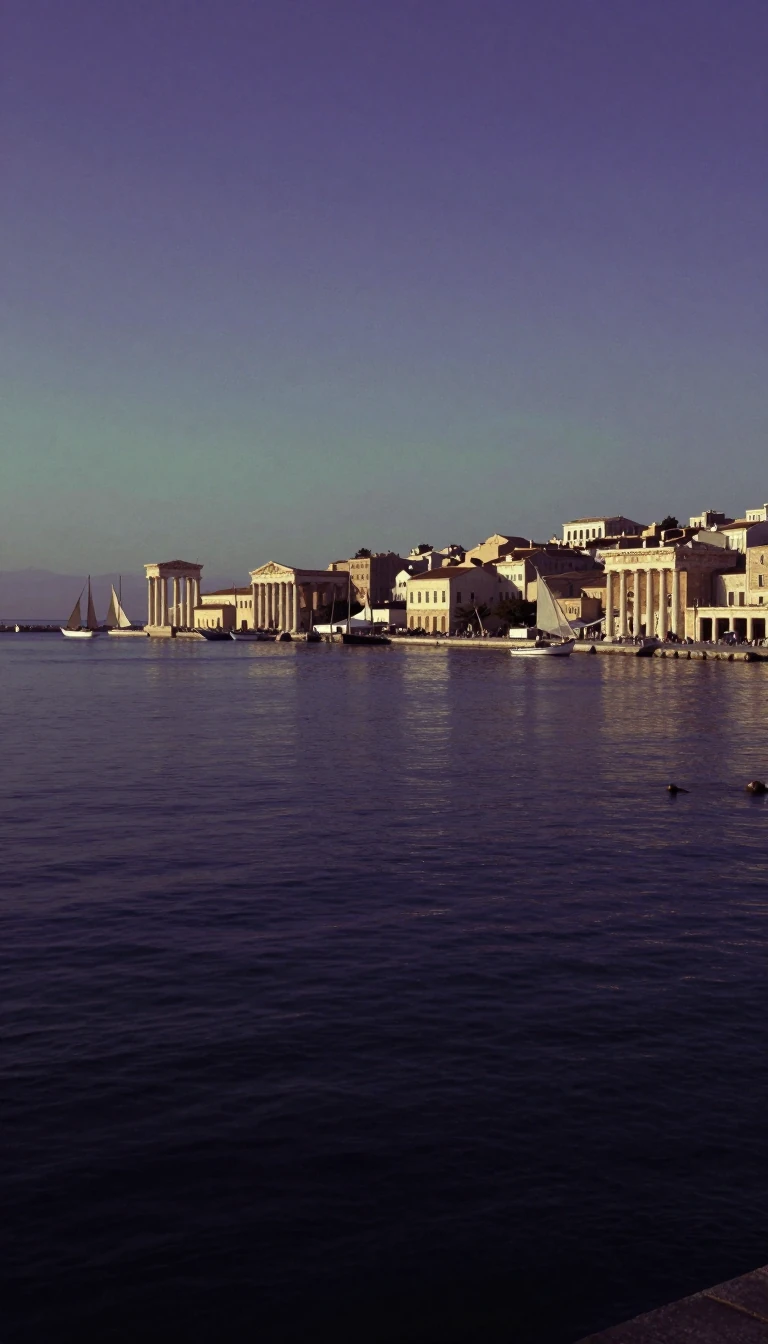
In short: The city of Arles serves as a living bridge between two distinct eras of European history. Recognized as a UNESCO World Heritage Site since 1981, this French city preserves a remarkable collection of Roman architecture and Romanesque structures that showcase a seamless adaptation of ancient urban life to medieval civilization.
Arles represents a rare continuity of urban development. Its history is marked by two distinct peaks of influence. The earliest phase dates back to the 1st century BCE, when the city established its Roman foundations. During this period, engineers constructed the arena, the Roman theatre, and the cryptoporticus—a series of subterranean galleries located beneath the modern City Hall and the Chapel of the Jesuit College. Historians suggest the cryptoporticus may have originally served as a barracks for slaves, potentially built by the Greeks before the Roman expansion.
The city experienced a significant resurgence in the 4th century CE, often described as a second golden age. This era left behind enduring landmarks such as the Thermes of Constantine, which functioned as a public bath, and the expansive necropolis of Alyscamps. These structures demonstrate the city's strategic importance and wealth during the later Roman Empire, providing a glimpse into the sophisticated social infrastructure that defined the region at the time.
By the 11th and 12th centuries, Arles had reinvented itself once more, emerging as one of the most desirable cities in the Mediterranean. This medieval transformation is best exemplified by the Church of St. Trophime and its cloister, which stand as major achievements of Romanesque architecture in Provence. Today, the protected heritage area spans 65 hectares, encompassing these diverse layers of history. The site remains a testament to how ancient cities could evolve, repurposing their Roman bones to support the cultural and religious needs of the medieval world, ultimately securing its status as a protected treasure of human achievement.
Opens the Intellect+ feed with this card first. Swipe up for the next one.
Sources
- Summary by Intellect · source: Arles, Roman and Romanesque Monuments
To cite this card, link to https://intellectplus.co.uk/app/places-arles-roman-and-romanesque-monuments.
How we source, check and correct cards: Editorial standards.
General information, not professional advice. Spotted an error? Flag the card or see corrections and complaints.
Intellect Plus is a visual educational discovery platform for exploring fascinating facts and ideas. Brain Food, Not Brain Rot. What is Intellect Plus?
Related
More in World Heritage Sites · More in Countries & Cities · Latest · A–Z · All topics
