Mesopotamian art began in the mountains long before the rise of the southern cities
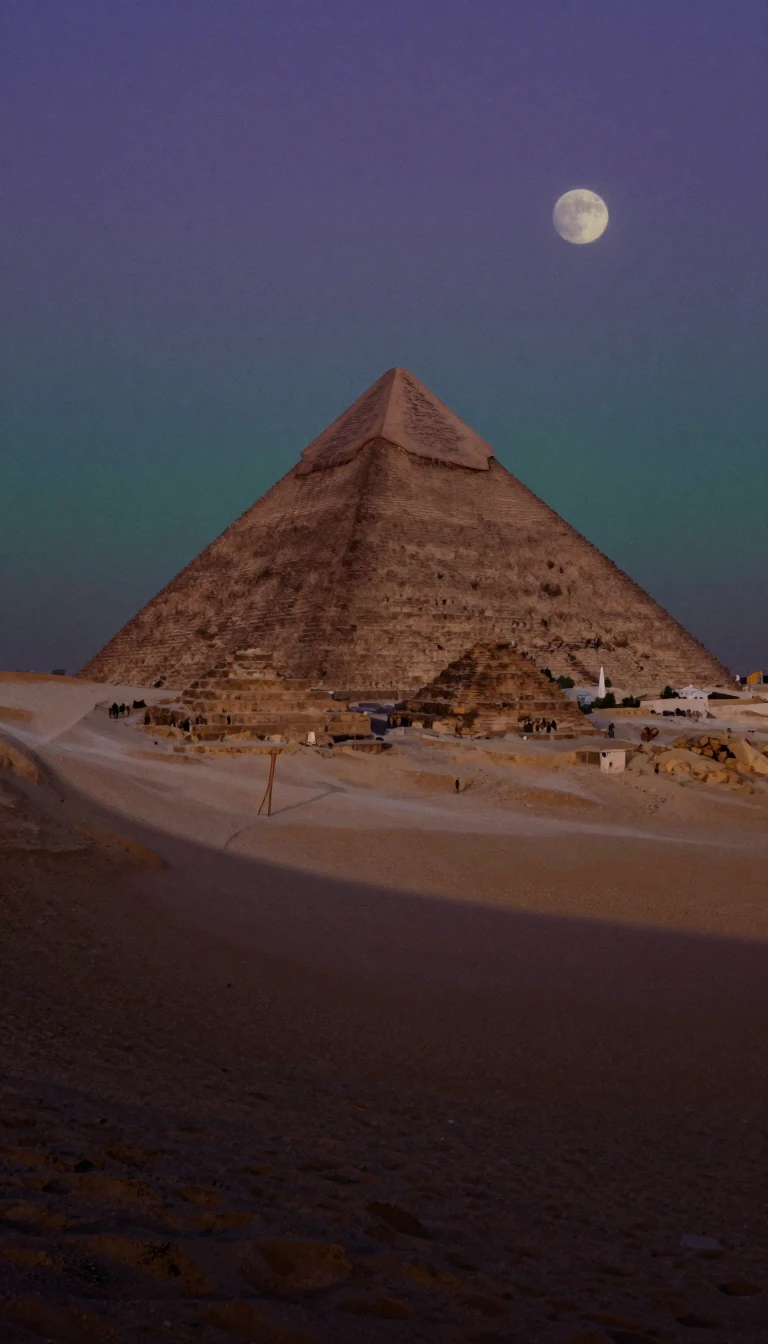
In short: While we often associate ancient Mesopotamia with the fertile plains of the south, its artistic roots trace back thousands of years earlier to the rugged highlands of the north. From monumental megaliths to intricate clay figurines, these early creators established the visual language that would eventually define the cradle of civilization.
The origins of Mesopotamian art are found in the northern uplands, far predating the famous Sumerian city-states. Sites like Göbekli Tepe, dating to circa 10,000 BCE, feature the world's oldest known megaliths—massive T-shaped limestone pillars carved with high and low reliefs of wildlife. Unlike the later, densely packed residential site of Çatalhöyük, which flourished around 7500 BCE with its mural-covered mudbrick homes, Göbekli Tepe appears to have been a communal ritual center. These early northern cultures focused on the natural world, creating statuary from limestone, marble, and clay that emphasized fertility and animal imagery.
As populations migrated toward the southern alluvial plains around 5000 BCE, the artistic focus shifted. The Ubaid period introduced distinct ceramic styles, characterized by geometric patterns and animal motifs, alongside the 'lizard people' figurines. This era also saw the emergence of the 'Master of the Animals' motif, a powerful symbol depicting a human figure flanked by animals, representing the divine establishment of order over the wild. This specific iconographic tradition became remarkably widespread, eventually appearing in the art of Egypt, Greece, and Rome.
The character of later Mesopotamian art was shaped by three primary forces: the sociopolitical structure of city-states, the dominance of organized religion, and the constraints of the environment. In the south, the temple functioned as the economic and municipal heart of the city, meaning that most early sculpture and architecture served religious purposes. Rulers later commissioned works to glorify military victories, but the temple remained central. Architects in the south, working with mudbrick and reeds, pioneered innovations like the arch and urban planning, creating a legacy that influenced the broader Near East for millennia.
Opens the Intellect+ feed with this card first. Swipe up for the next one.
Sources
- Summary by Intellect · source: Mesopotamian Art and Architecture: The Birth of Art and Architecture in the Ancient World
- Also: Mesopotamian art and architecture | Characteristics, Facts, & History | Britannica
- Also: Art of Mesopotamia
To cite this card, link to https://intellectplus.co.uk/app/places-art-of-mesopotamia.
How we source, check and correct cards: Editorial standards.
General information, not professional advice. Spotted an error? Flag the card or see corrections and complaints.
Intellect Plus is a visual educational discovery platform for exploring fascinating facts and ideas. Brain Food, Not Brain Rot. What is Intellect Plus?
Related
More in Bodies of water · More in Countries & Cities · Latest · A–Z · All topics
