Aswan: The Ancient Egyptian Frontier That Remains a Vital Global Hub Today
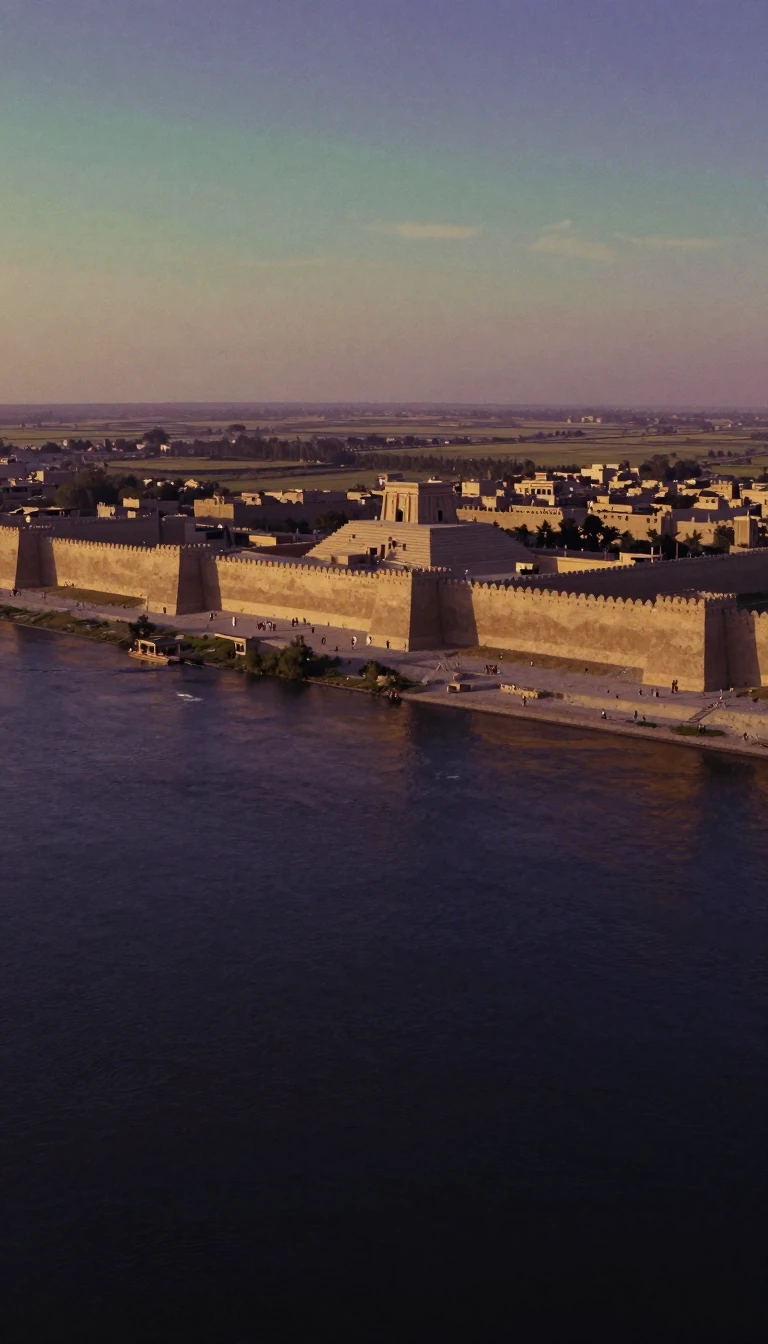
In short: Perched on the Nile at the first cataract, Aswan has served as a critical southern boundary for Egypt for over 2,600 years. Once the primary source of granite for monumental architecture, this historic city now thrives as a premier winter destination and a recognized center for traditional craft and art.
Aswan occupies a unique position in history, acting as the southern gateway to Ancient Egypt. Its enduring significance is tied to its geography; the city sits at the first cataract of the Nile, a location that provided the raw materials for some of history's most iconic structures. The local granite quarries, which supplied stone for countless monuments, remain active to this day, bridging the gap between ancient construction techniques and modern industry. Over the centuries, the city has grown significantly, eventually incorporating the island of Elephantine into its urban footprint.
The city is a treasure trove of heritage, housing five distinct sites that form part of the UNESCO World Heritage collection known as the Nubian Monuments. These include the ancient burial grounds at Qubbet el-Hawa, the historic settlement on Elephantine, the famous stone quarries featuring the massive Unfinished Obelisk, the medieval Monastery of St. Simeon, and the Fatimid Cemetery. These sites offer a window into various eras, from the Old and Middle Kingdoms to the Islamic period, providing a comprehensive look at the region's layered past.
Beyond its archaeological importance, Aswan has evolved into a modern cultural center. The Nubian Museum serves as a vital repository for artifacts salvaged during the international efforts to protect Nubian history before the construction of the Aswan Dam submerged Lower Nubia. Today, the city is globally recognized for its commitment to culture and education. It is part of the UNESCO Creative Cities Network for its dedication to folk art and crafts, and in 2017, it was formally inducted into the UNESCO Global Network of Learning Cities, cementing its status as a forward-looking hub.
The city's identity is defined by this blend of preservation and progress. As a major market and a popular winter retreat, Aswan manages to balance its role as a living museum with the demands of a contemporary Egyptian capital. Whether through its ancient stone-cutting traditions or its modern educational initiatives, Aswan continues to exert a profound influence on the cultural landscape of the region, ensuring that its long history remains relevant to the global community.
Opens the Intellect+ feed with this card first. Swipe up for the next one.
Sources
- Summary by Intellect · source: Aswan
- Also: Wikidata — Aswan · CC0
To cite this card, link to https://intellectplus.co.uk/app/places-aswan.
How we source, check and correct cards: Editorial standards.
General information, not professional advice. Spotted an error? Flag the card or see corrections and complaints.
Intellect Plus is a visual educational discovery platform for exploring fascinating facts and ideas. Brain Food, Not Brain Rot. What is Intellect Plus?
Related
More in Cities · More in Countries & Cities · Latest · A–Z · All topics
