Ascalon: The Ancient Mediterranean Port That Shaped Empires Over Five Millennia
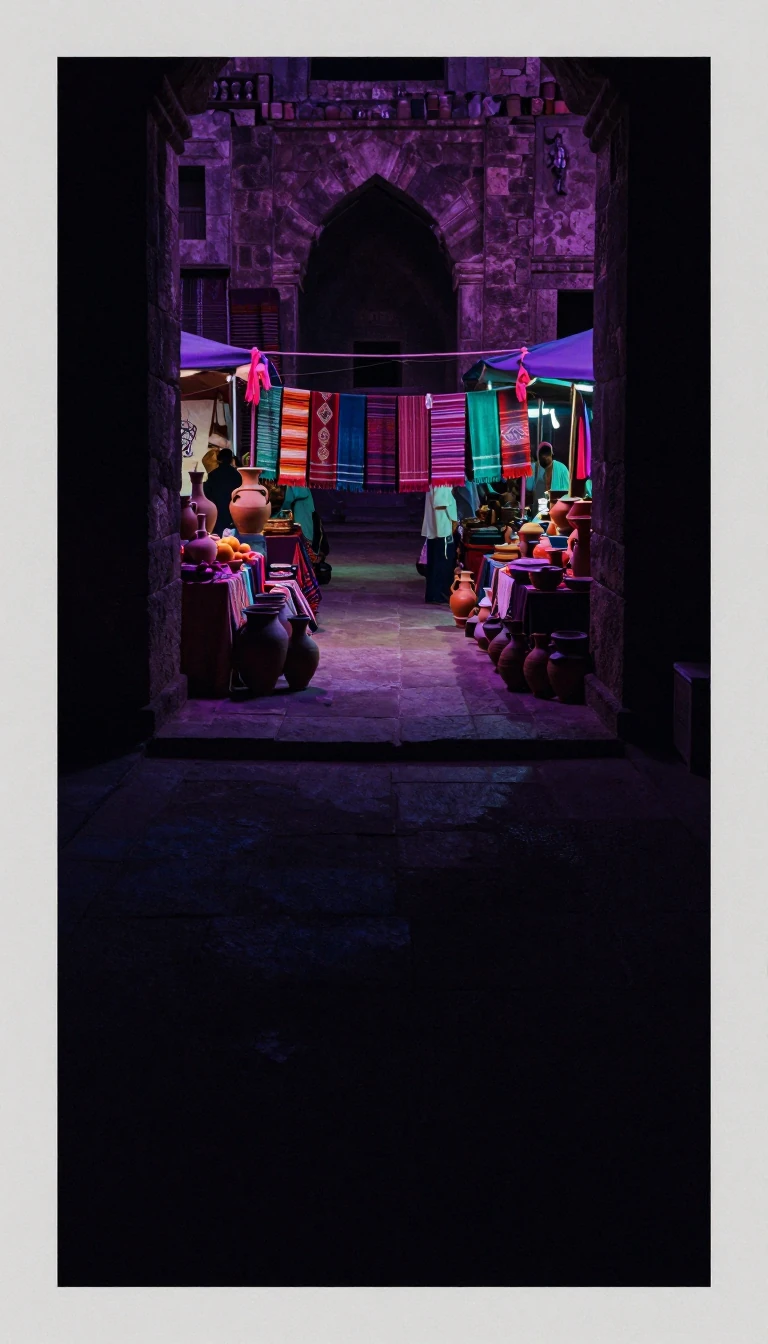
In short: From its origins as a Bronze Age trade hub to its role as a fiercely contested Crusader fortress, Ascalon has stood as a strategic gateway for millennia. Once a powerful Philistine city, this coastal site reveals how shifting regional powers—from Egyptians to Assyrians—left their mark on the Levant.
Ascalon, also known as Ashkelon, has been a significant coastal settlement since at least the 3rd millennium BCE. Its strategic value was rooted in its geography, situated along the Mediterranean coast with access to vital groundwater. By the Middle Bronze Age, the city had evolved into a fortified kingdom, featuring massive earthen ramparts and a monumental arched gate that stands as one of the oldest of its kind in the world. These defenses were essential for a city that served as a critical node in trade networks connecting Egypt with the broader Levant.
The city's history is a record of constant transition. During the Late Bronze Age, it functioned under Egyptian influence, with local rulers maintaining diplomatic ties through the exchange of tribute and resources. Following the collapse of Egyptian control, the city became a central hub for the Philistines, who established a distinct urban culture with ties to the Aegean. By the 8th century BCE, the city was drawn into the orbit of the Neo-Assyrian Empire, alternating between periods of vassalage and failed rebellions that led to the exile of its leadership.
The site's significance persisted well beyond antiquity. It remained a major metropolis through the Roman and Byzantine eras, eventually becoming a flashpoint during the Middle Ages. The city saw intense military conflict during the Crusades, including major engagements in 1099 and 1153. Its eventual decline was sealed in 1270, when the Mamluk sultan Baybars ordered the destruction of its fortifications and harbor to prevent further use by military forces. Today, the site is preserved as an archaeological park, offering a window into the complex layers of human activity that have defined this coastal landscape for over 5,000 years.
Opens the Intellect+ feed with this card first. Swipe up for the next one.
Sources
- Summary by Intellect · source: Ascalon
- Also: Wikidata — ASCALON · CC0
To cite this card, link to https://intellectplus.co.uk/app/places-ascalon.
How we source, check and correct cards: Editorial standards.
General information, not professional advice. Spotted an error? Flag the card or see corrections and complaints.
Intellect Plus is a visual educational discovery platform for exploring fascinating facts and ideas. Brain Food, Not Brain Rot. What is Intellect Plus?
Related
More in Historical cities, towns and archaeological sites · More in Countries & Cities · Latest · A–Z · All topics
