Are Azerbaijanis Turkic, Iranian, or Caucasian? The Answer Is Complicated
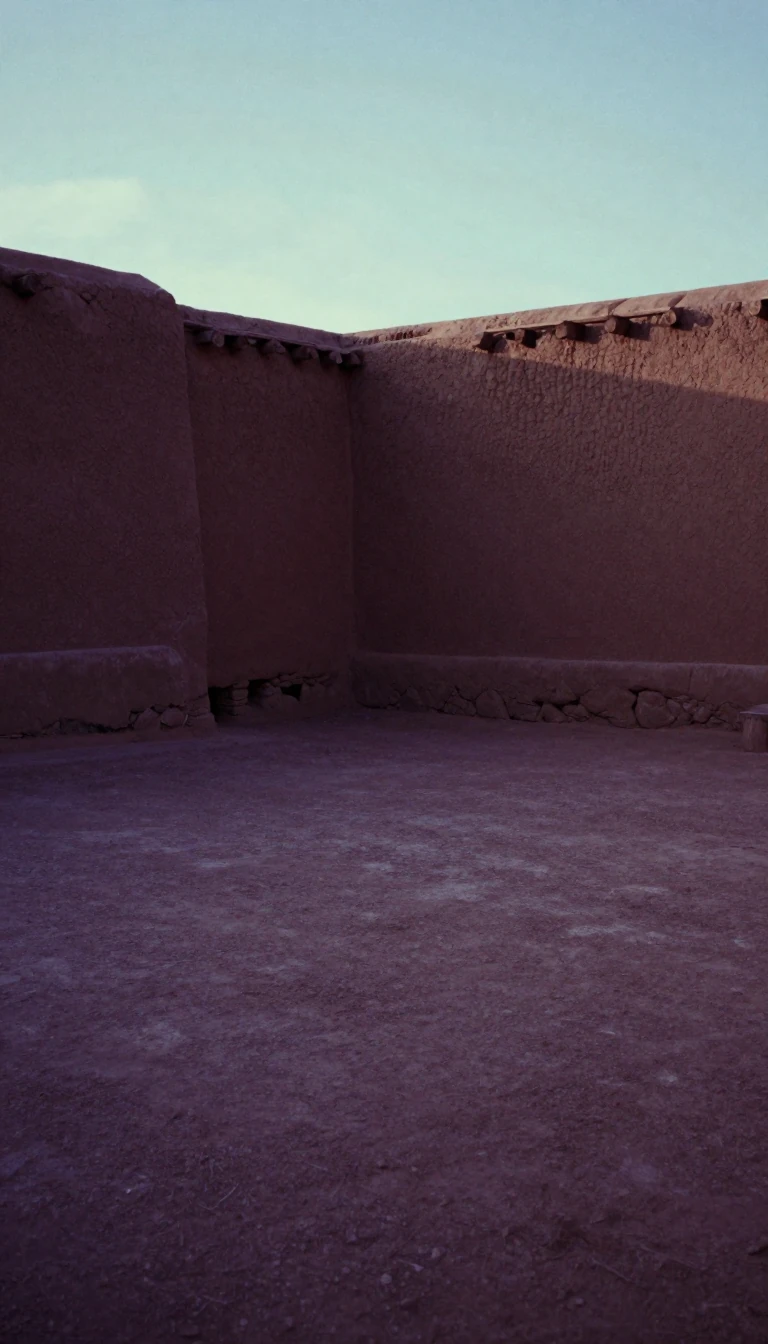
In short: Azerbaijanis are a Turkic-speaking people primarily residing in the Republic of Azerbaijan and northwestern Iran. While their language is Oghuz Turkic, their genetic roots are deeply tied to indigenous Caucasian and Iranian populations. This unique blend reflects a history of migration, conquest, and cultural assimilation spanning over two millennia.
The name Azerbaijan is believed to derive from Atropates, a Persian satrap who governed the region of Atropatene around 321 BC. The term itself is rooted in Old Persian, meaning 'guardian of fire.' Historically, the region was inhabited by diverse groups, including Caucasian Albanians and Iranian-speaking Medes. Over centuries, these populations were influenced by successive empires, from the Sassanids to the Arab Caliphate, before the major influx of Oghuz Turkic tribes during the 11th-century Seljuq conquests.
This Turkic migration, which continued through the Mongol period, fundamentally altered the region's linguistic landscape. While the local population adopted the Turkic language, genetic studies suggest this was likely a process of language replacement rather than total population displacement. Research indicates that Azerbaijanis share significant genetic affinity with their Caucasian neighbors, with Central Asian genetic contributions estimated at roughly 18% for females and 32% for males. This suggests that the 'Turkification' of the region involved an elite dominance scenario or gradual assimilation rather than a complete demographic overhaul.
The modern Azerbaijani identity is a relatively recent construct. In the 19th century, Russian authorities often referred to them as 'Tatars' to distinguish them from other groups. It was not until the late 19th century that a distinct national identity began to emerge, popularized by intellectuals like Ali bey Huseynzade. The establishment of the Azerbaijan Democratic Republic in 1918 marked a pivotal moment, creating the first parliamentary republic in the Muslim world. Today, the population remains a complex mosaic, reflecting a heritage that bridges the Caucasus, the Iranian Plateau, and the broader Turkic world.
Opens the Intellect+ feed with this card first. Swipe up for the next one.
Sources
- Summary by Intellect · source: Azerbaijanis
- Also: Wikidata — Azerbaijanis · CC0
- Also: Wikidata — Azerbaijanis · CC0
To cite this card, link to https://intellectplus.co.uk/app/places-azerbaijanis.
How we source, check and correct cards: Editorial standards.
General information, not professional advice. Spotted an error? Flag the card or see corrections and complaints.
Intellect Plus is a visual educational discovery platform for exploring fascinating facts and ideas. Brain Food, Not Brain Rot. What is Intellect Plus?
Related
More in Cities · More in Countries & Cities · Latest · A–Z · All topics
