Once the heart of a vast empire, Bago now guards Myanmar's tallest pagoda.
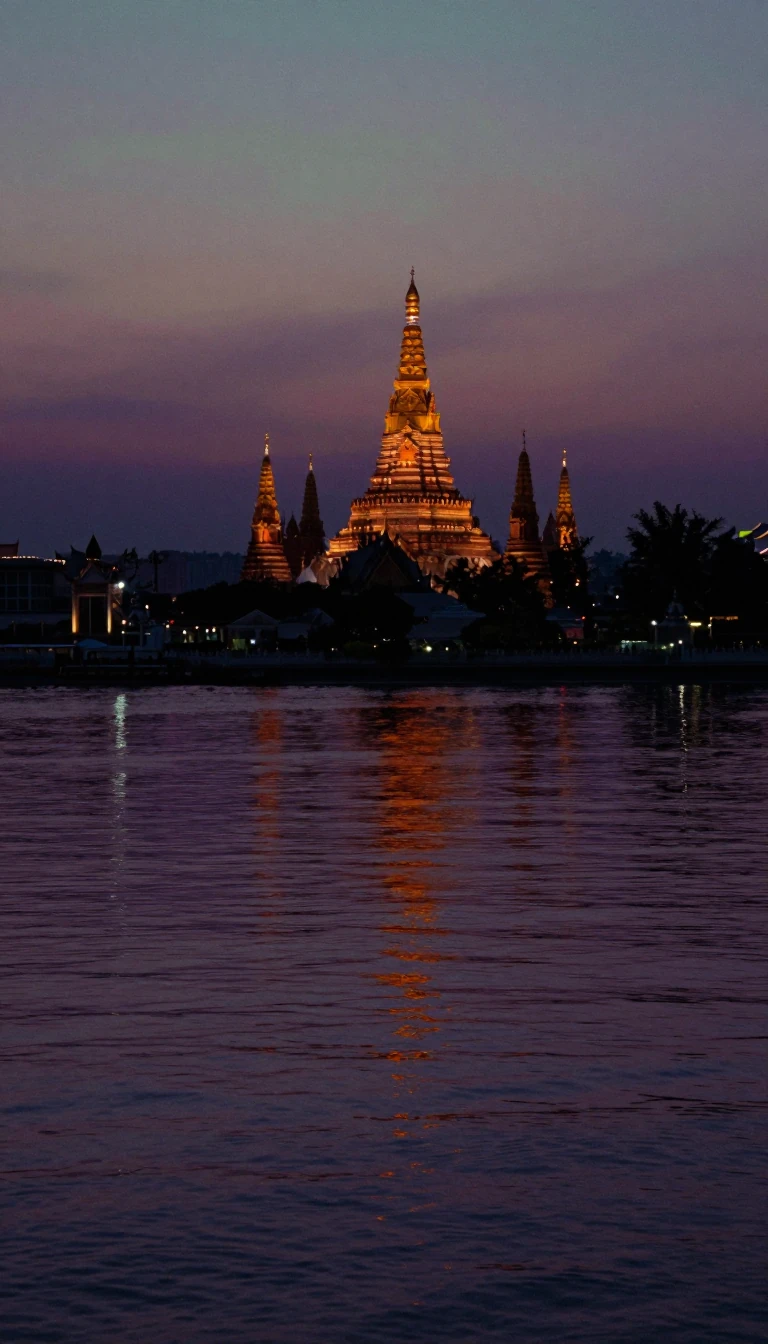
In short: Bago, formerly known as Pegu, was once the seat of the largest empire in Indochina. From its rise as a 14th-century capital to its destruction by war and shifting rivers, this city has endured centuries of transformation. Today, it remains a spiritual center, home to the country's tallest pagoda.
Bago’s history is a complex tapestry of shifting power and contested origins. While some Mon chronicles date its founding as early as 573 CE, the earliest physical evidence of the settlement only appears in the 13th century. By the 1500s, under King Bayinnaung, the city had been transformed into the capital of a sprawling empire. Its grandeur was legendary, featuring a palace with twenty gates, each named after the vassal who built it, and gilded wooden doors that impressed European visitors like Ralph Fitch.
The city's fortunes were often tied to the volatile nature of regional politics and geography. After the Toungoo dynasty fled in 1599, the city was looted and burned, never fully reclaiming its former status. By the time King Bodawpaya rebuilt it in the late 18th century, the Bago River had shifted course, permanently severing the city's vital maritime link to the sea. This geographical change, combined with the British annexation in 1852 and the subsequent relocation of the capital to Yangon, relegated Bago to a regional hub.
Despite these upheavals, Bago remains a significant cultural and religious center. It hosts 749 monasteries and 134 stupas, including the Shwemawdaw Pagoda, the tallest in Myanmar. The city’s modern identity is defined by a mix of agriculture, light industry, and a resilient population of over 179,000. While it has faced recent tragedies, such as the 2021 massacre, the city continues to serve as a vital link in Myanmar’s infrastructure, connected by major rail lines and highways that sustain its role in the Bago Region.
Opens the Intellect+ feed with this card first. Swipe up for the next one.
Sources
- Summary by Intellect · source: Bago, Myanmar
To cite this card, link to https://intellectplus.co.uk/app/places-bago-myanmar.
How we source, check and correct cards: Editorial standards.
General information, not professional advice. Spotted an error? Flag the card or see corrections and complaints.
Intellect Plus is a visual educational discovery platform for exploring fascinating facts and ideas. Brain Food, Not Brain Rot. What is Intellect Plus?
Related
More in Asia · More in Countries & Cities · Latest · A–Z · All topics
