How a tiny fishing village on Borneo became a global powerhouse of oil production.
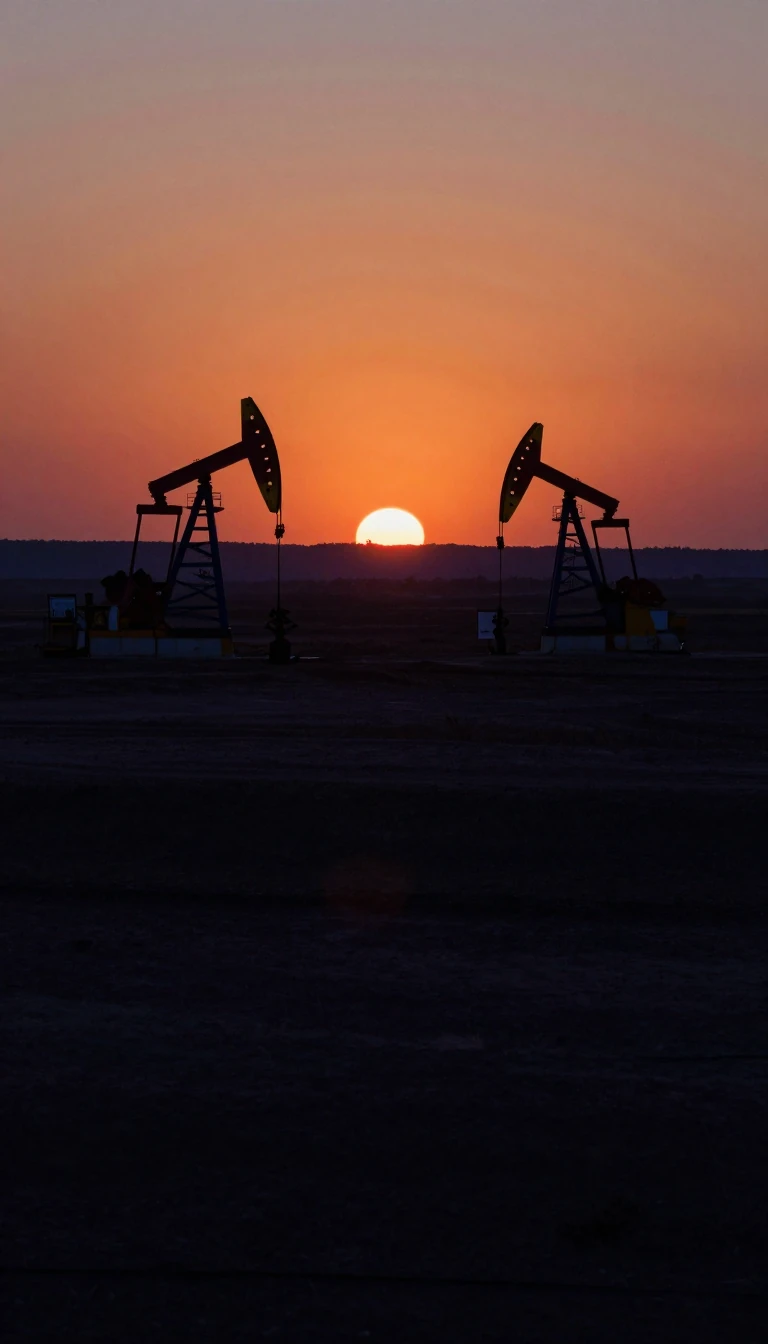
In short: Balikpapan began as an isolated Bugis fishing settlement, but the discovery of oil in 1897 transformed it into a critical industrial hub. Today, this East Kalimantan city serves as a vital base for multinational energy giants, though its rapid growth has triggered significant environmental challenges for its unique rainforest ecosystems.
The city’s identity is inextricably linked to petroleum. Following the first drilling by the Mathilda company in 1897, the Dutch firm Bataafsche Petroleum Maatschappij established its headquarters there in 1907, turning the village into a magnet for international engineers and laborers. This economic boom was so profound that by the mid-20th century, Balikpapan’s refineries were essential to regional energy security. During World War II, the city became a primary strategic target; Allied forces bombed the refineries to cripple Japanese fuel supplies, which relied on the city for over half of their lubricating oils and 60 percent of their aviation fuel.
Post-war, the city’s trajectory remained tied to the industry. After Shell completed major repairs in 1950, the state-owned company Pertamina eventually assumed control in 1965. The 1970s saw further expansion as the government encouraged foreign investment, leading to a period of rapid urban development. Today, the city hosts operations for global corporations like ChevronTexaco, TotalEnergies, and Schlumberger. While this has cemented Balikpapan as the financial center of Kalimantan, the reliance on resource extraction has come at a steep cost to the local environment.
The city’s topography, characterized by hilly terrain and vulnerable podsolic soil, is increasingly prone to erosion and flooding. Protected areas like the Wain River Protection Forest have seen significant degradation, with forest cover shrinking as residential encroachment, illegal logging, and coal mining activities intensify. These pressures have pushed local wildlife to the brink; the population of the mascot sun bear has dwindled to just 50 individuals. As Balikpapan balances its role as an industrial engine with the need for ecological preservation, it faces the difficult task of maintaining the sustainability that once earned it recognition as one of Indonesia’s most liveable cities.
Opens the Intellect+ feed with this card first. Swipe up for the next one.
Sources
- Summary by Intellect · source: Balikpapan
- Also: Wikidata — Balikpapan · CC0
To cite this card, link to https://intellectplus.co.uk/app/places-balikpapan.
How we source, check and correct cards: Editorial standards.
General information, not professional advice. Spotted an error? Flag the card or see corrections and complaints.
Intellect Plus is a visual educational discovery platform for exploring fascinating facts and ideas. Brain Food, Not Brain Rot. What is Intellect Plus?
Related
More in Asia · More in Countries & Cities · Latest · A–Z · All topics
