Auckland is New Zealand's smallest region by land, yet its most populous economic powerhouse.
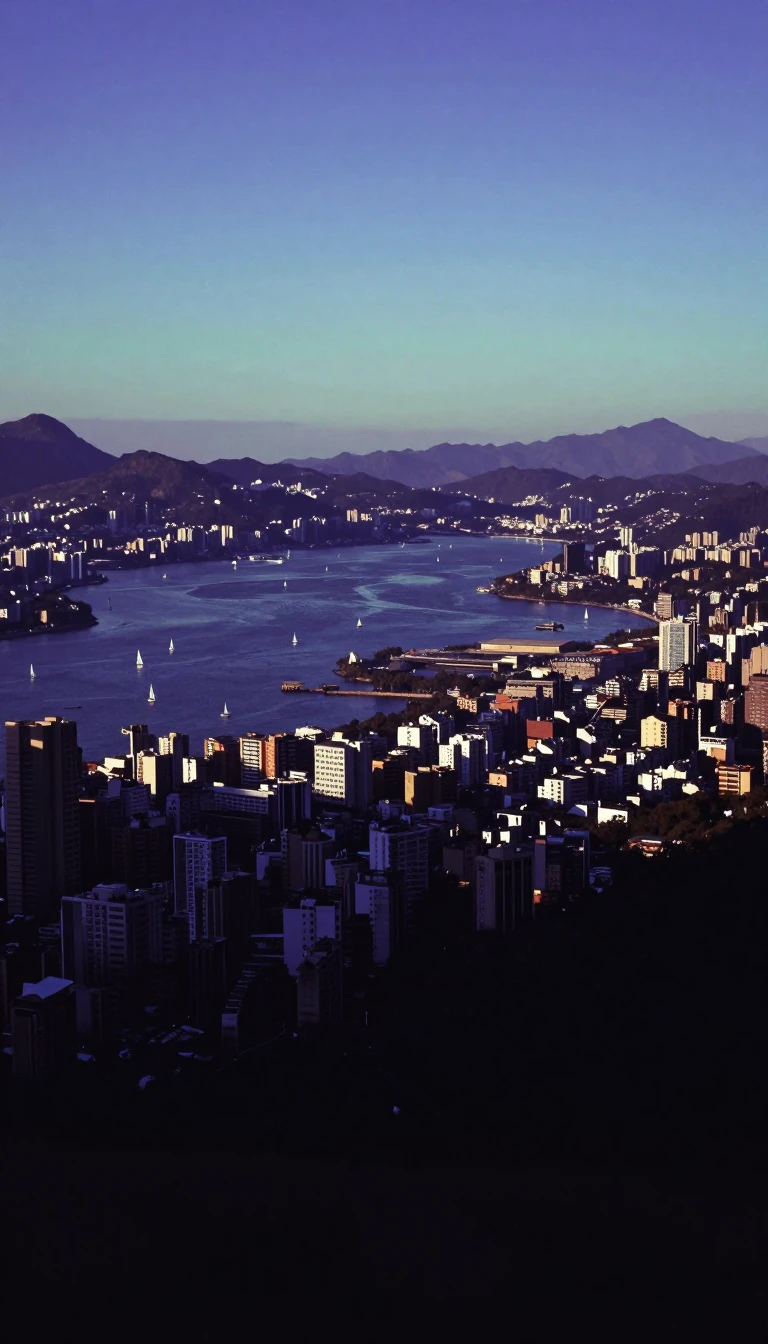
In short: Home to over a third of New Zealand's residents, the Auckland region is a dense, diverse hub of activity. While it ranks as the country's second-smallest region in land area, its influence is outsized, encompassing a sprawling coastline, unique endemic wildlife, and a rapidly growing, multicultural population.
The Auckland region, known in Māori as Tāmaki Makaurau, occupies a unique position on the Northland Peninsula. Its geography is defined by the Auckland isthmus, the Waitākere Ranges, and the islands of the Hauraki Gulf. Despite its compact size—covering only 4,941.16 square kilometres—it holds 34 percent of the nation's population. This concentration of people creates a distinct urban character, with the eponymous city of Auckland alone accounting for over 85 percent of the region's residents.
Governance of the region underwent a radical transformation on 1 November 2010. The previous regional council and seven local authorities were consolidated into a single unitary authority, the Auckland Council. This shift also redrew the region's southern borders, transferring parts of the Hunua Ranges and the Firth of Thames coastline to the neighbouring Waikato region. Today, the area is managed through a system of local boards, balancing central oversight with local representation.
Beyond its urban density, the region is a biological sanctuary. At least 23 species or subspecies are found exclusively within its borders, including the Little Barrier giant wētā and the New Zealand storm petrel. These endemic treasures are often concentrated on islands like Great Barrier and Little Barrier, the latter of which contains the region's highest point at 722 metres. This ecological diversity persists despite the region's 3,702 kilometres of coastline and extensive human development.
Demographically, Auckland is a global crossroads. As of the 2023 census, 42.5 percent of its population was born overseas, significantly higher than the national average of 28.8 percent. The region's median age of 35.9 years is younger than the national median, and its economic profile is robust, with a median income of $44,700. With a population estimated at 1,816,000 by June 2025, the region continues to serve as the primary engine of the New Zealand economy.
Opens the Intellect+ feed with this card first. Swipe up for the next one.
Sources
- Summary by Intellect · source: Auckland Region
- Also: Wikidata — Auckland Region · CC0
To cite this card, link to https://intellectplus.co.uk/app/places-auckland-region.
How we source, check and correct cards: Editorial standards.
General information, not professional advice. Spotted an error? Flag the card or see corrections and complaints.
Intellect Plus is a visual educational discovery platform for exploring fascinating facts and ideas. Brain Food, Not Brain Rot. What is Intellect Plus?
Related
More in Regions and country subdivisions · More in Countries & Cities · Latest · A–Z · All topics
