Russia's oldest naval force has survived three centuries of revolution, war, and disaster.
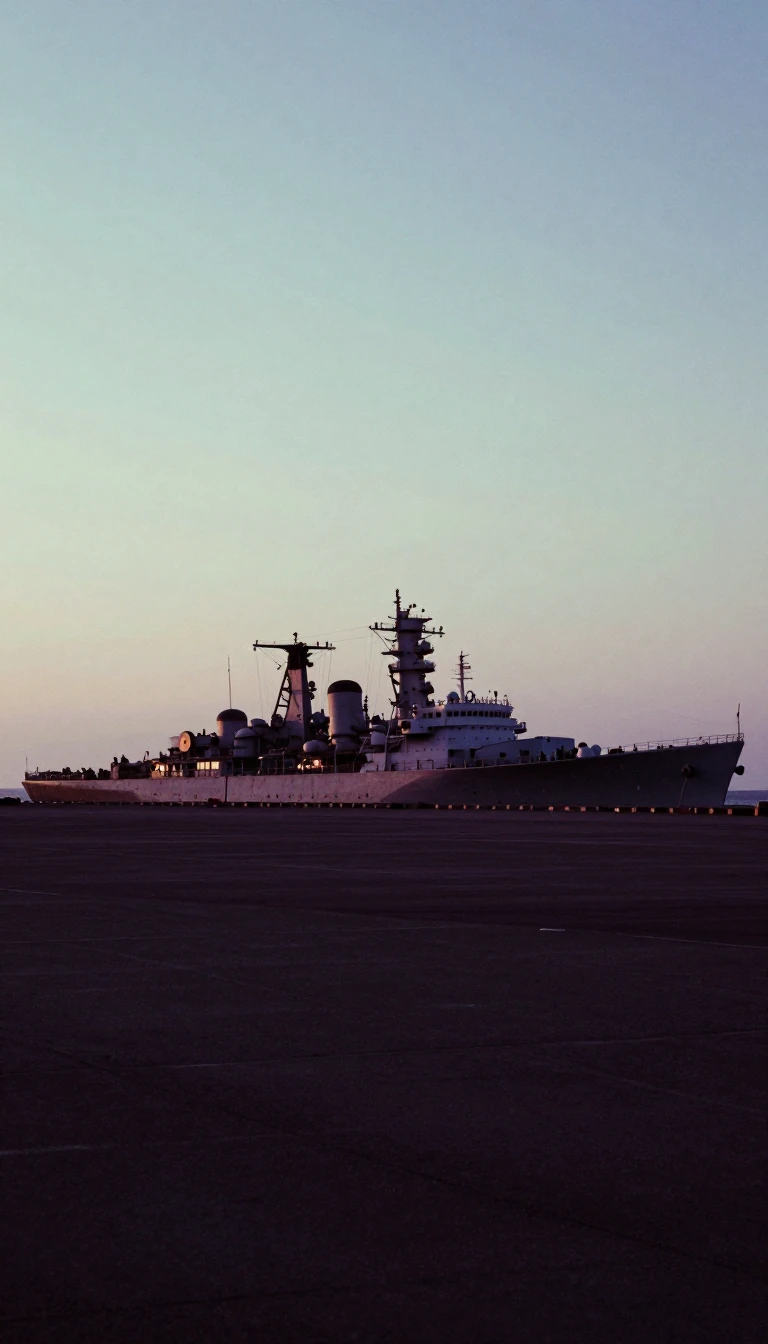
In short: Established by Peter the Great in 1703, the Baltic Fleet has served as the backbone of Russian maritime power. From pioneering early submarine warfare to suffering catastrophic losses in the Russo-Japanese War, this fleet has shaped the geopolitical landscape of Northern Europe through centuries of shifting alliances and internal upheaval.
Founded in 1703 during the Great Northern War, the Baltic Fleet was designed to overcome Swedish naval dominance through sheer numbers of smaller, oar-propelled vessels. Under the guidance of Tsar Peter the Great, the fleet quickly expanded, boasting 30,000 sailors and 800 ships by 1725. Its strategic importance was cemented by the acquisition of warm-water ports, which necessitated the development of advanced naval education, such as the school that eventually became the Saint Petersburg Naval Institute.
The fleet's history is marked by both technological innovation and strategic blunders. In the 19th century, it pioneered the use of torpedo mines and turret-mounted battleship guns. Yet, its performance was often inconsistent. During the 1905 Russo-Japanese War, the fleet was reorganized into the Second Squadron and sent on a grueling seven-month voyage to the Pacific. The mission ended in disaster at the Battle of Tsushima, where the fleet lost 21 ships and over 5,000 men, a defeat that triggered internal unrest and forced Russia to seek peace.
The 20th century brought further volatility. During the October Revolution, Baltic sailors were key Bolshevik supporters, yet they later revolted against the Soviet government in 1921. Stalin's purges in the 1930s decimated the officer corps, severely weakening the fleet's readiness before World War II. Despite being trapped by minefields for much of the conflict, the fleet played a critical role in the defense of Leningrad and the evacuation of Tallinn. Today, the fleet remains headquartered in Kaliningrad, continuing its long legacy as a central component of the Russian Navy.
Opens the Intellect+ feed with this card first. Swipe up for the next one.
Sources
- Summary by Intellect · source: Baltic Fleet
- Also: Wikidata — Russian Baltic Fleet · CC0
- Also: Wikidata — Baltic Fleet Public House · CC0
To cite this card, link to https://intellectplus.co.uk/app/places-baltic-fleet.
How we source, check and correct cards: Editorial standards.
General information, not professional advice. Spotted an error? Flag the card or see corrections and complaints.
Intellect Plus is a visual educational discovery platform for exploring fascinating facts and ideas. Brain Food, Not Brain Rot. What is Intellect Plus?
Related
More in Cities · More in Countries & Cities · Latest · A–Z · All topics
