Barbuda is a Caribbean island defined by its unique system of communal land ownership.
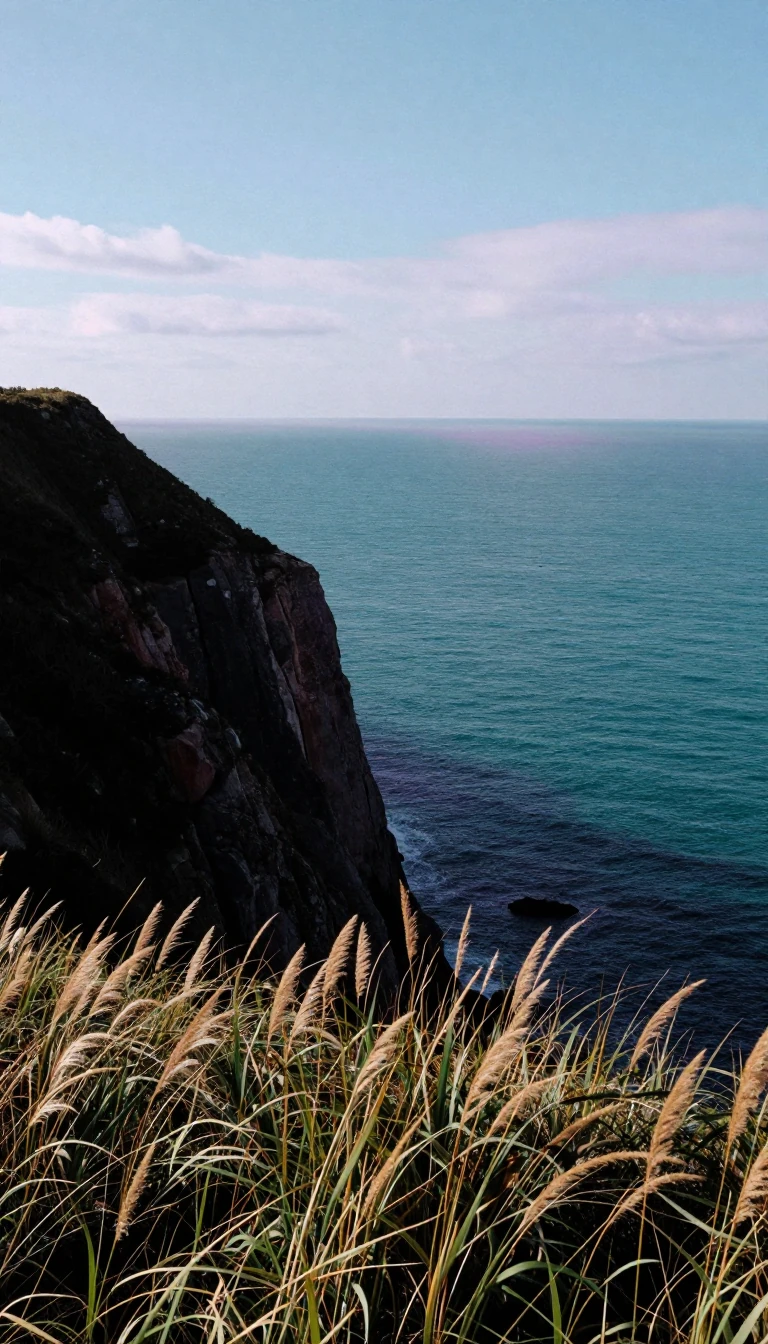
In short: Located 30 miles north of Antigua, Barbuda is a flat, sparsely populated island with a history of resilience. From its origins as a hunter-gatherer settlement to its survival after Hurricane Irma, the island maintains a distinct identity, bolstered by a tradition of communal land rights that remains a point of contention.
Barbuda, an autonomous entity within the twin-island state of Antigua and Barbuda, spans 62 square miles of mostly flat, coral limestone terrain. Its history is marked by diverse waves of inhabitants, beginning with Archaic Age people around 3,000 to 4,000 years ago, followed by the Arawak and Kalinago. European colonization attempts, including those by the French and English starting in 1666, were often thwarted by drought and fierce resistance from the Kalinago, who referred to the island as Wa'omoni.
The island's social structure was fundamentally shaped by the Codrington family, who leased it from 1685 until 1870. During this period, the enslaved population grew, leading to significant uprisings like Beach's Rebellion in 1741. Following the abolition of slavery in 1834, the island's unique land grant history allowed residents to maintain autonomous cultivation on communal property. This tradition was formally enshrined in law by the 2007 Barbuda Land Act, which established a registry and planning commission under the Barbuda Council.
This communal system is currently at the center of a sociopolitical crisis. Following the devastation of Hurricane Irma in 2017, which destroyed over 90 percent of the island's buildings and forced a total evacuation, the Gaston Browne-led administration introduced policies that have challenged these traditional land rights. In August 2023, the Barbuda People's Movement vowed to reverse legislation that would end communal ownership. Despite these pressures, the island's population has grown since the hurricane, reaching an estimated 2,233 by March 2025, as residents continue to navigate the balance between modernization and their historical autonomy.
Beyond its human history, Barbuda is a sanctuary for rare biodiversity. It hosts endemic species like the Barbuda warbler and the Antiguan racer, one of the world's rarest snakes. The Codrington Lagoon is home to the Magnificent Frigate Bird Sanctuary, a critical global breeding site. These natural features, combined with the island's distinct political status and its ongoing struggle to preserve communal land, make Barbuda a singular case study in Caribbean governance and environmental preservation.
Opens the Intellect+ feed with this card first. Swipe up for the next one.
Sources
- Summary by Intellect · source: Barbuda
- Also: Wikidata — Barbuda · CC0
To cite this card, link to https://intellectplus.co.uk/app/places-barbuda.
How we source, check and correct cards: Editorial standards.
General information, not professional advice. Spotted an error? Flag the card or see corrections and complaints.
Intellect Plus is a visual educational discovery platform for exploring fascinating facts and ideas. Brain Food, Not Brain Rot. What is Intellect Plus?
Related
More in Islands · More in Countries & Cities · Latest · A–Z · All topics
