Antigua: A Caribbean island defined by ancient names, sugar history, and 365 beaches
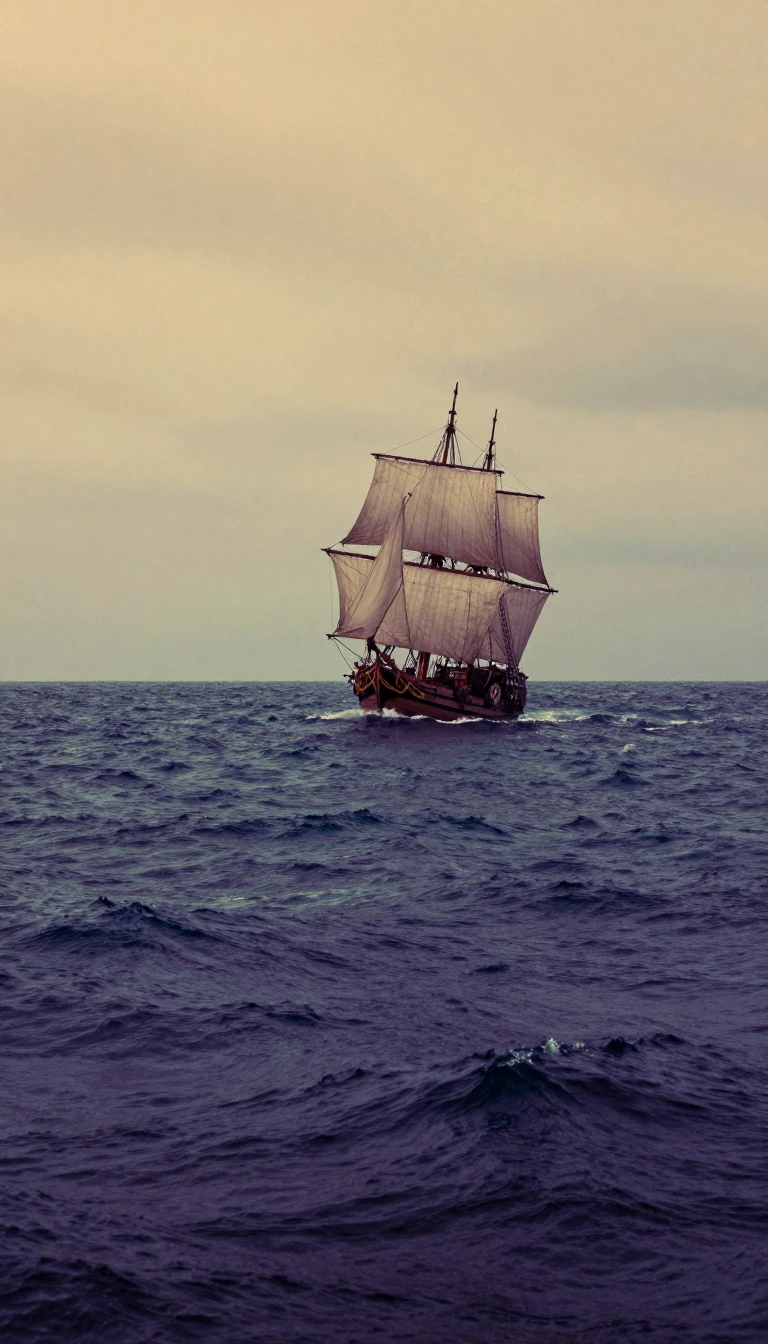
In short: Antigua, the most populous island of the nation of Antigua and Barbuda, is a Caribbean destination known for its deep harbors and luxury tourism. Beyond its reputation for having a beach for every day of the year, the island holds a complex history of indigenous settlement, colonial sugar production, and naval power.
The island's name, Antigua, is Spanish for "ancient" or "old," though it was originally known as Waladli by its indigenous inhabitants, a term meaning "our own." The first documented settlers were the Arawak, who arrived by canoe from present-day Venezuela and introduced crops like the Antiguan black pineapple, corn, and sweet potatoes. By 1100 A.D., many Arawak had departed, leaving the remaining population vulnerable to raids by the Carib, who were noted for their seafaring prowess and warlike culture.
European history on the island began in 1493 when Christopher Columbus visited, though permanent English colonization did not occur until 1632. Under the influence of Christopher Codrington, who arrived from Barbados in 1674, the island transformed into a profitable sugar colony. This shift necessitated the importation of enslaved Africans, who endured grueling labor conditions in sugar mills and boiling houses. The island's history of resistance is marked by events such as the 1736 plot led by Prince Klaas, which resulted in a brutal crackdown by colonial authorities.
Antigua also served as a critical naval hub, earning the title of Britain's "Gateway to the Caribbean." Vice-Admiral Horatio Nelson was stationed there between 1784 and 1787, where he enforced the Navigation Acts, often clashing with local merchants who relied on trade with the newly independent United States. Today, the island's economy has shifted from agriculture to tourism, with its deep-water harbors—such as those at St. John's and English Harbour—continuing to support international shipping and yachting, while the legacy of its colonial past remains visible in sites like the UNESCO-listed Nelson's Dockyard.
Opens the Intellect+ feed with this card first. Swipe up for the next one.
Sources
- Summary by Intellect · source: Antigua
- Also: www.britannica.com — Antigua and Barbuda | History, Geography, & Facts | Britannica
To cite this card, link to https://intellectplus.co.uk/app/culture-antigua.
How we source, check and correct cards: Editorial standards.
General information, not professional advice. Spotted an error? Flag the card or see corrections and complaints.
Intellect Plus is a visual educational discovery platform for exploring fascinating facts and ideas. Brain Food, Not Brain Rot. What is Intellect Plus?
Related
More in Festivals & celebrations · More in Cultures · Latest · A–Z · All topics
