The island that lost 90 percent of its surface to mining
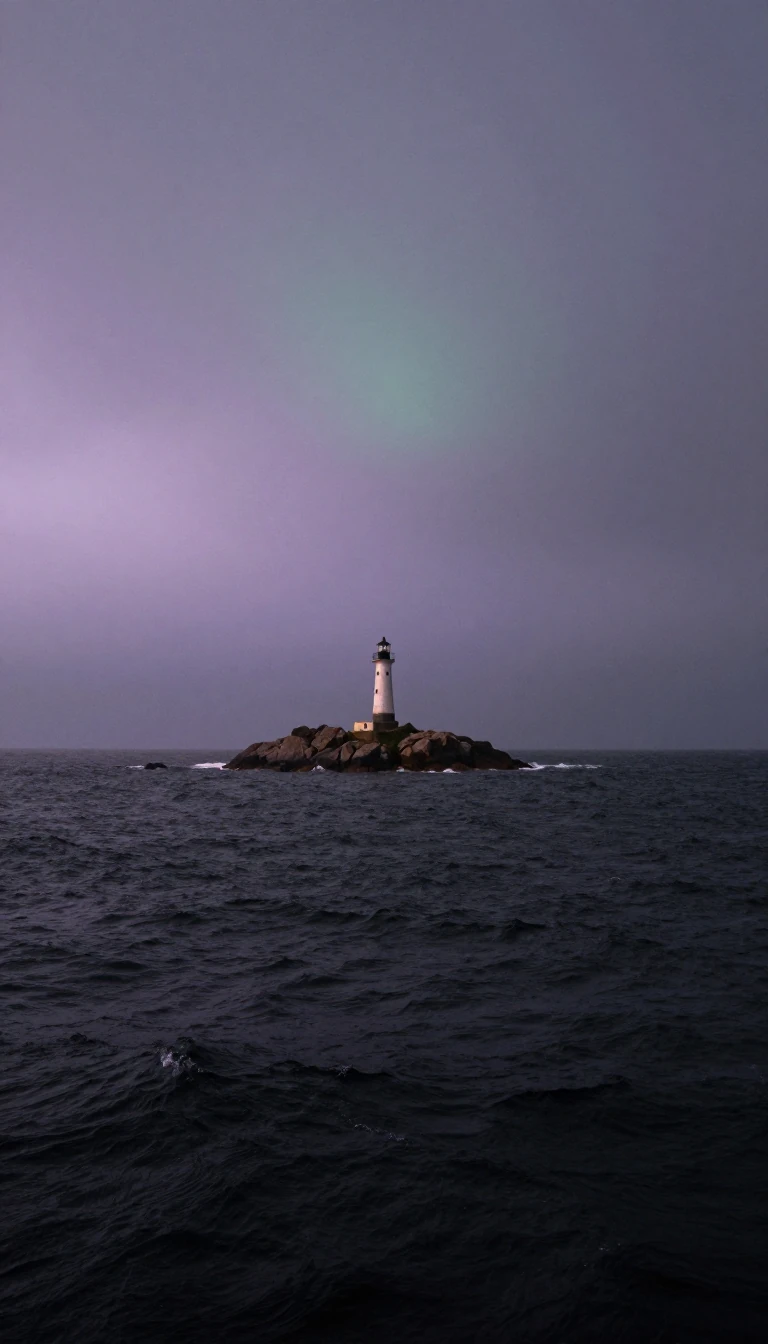
In short: Banaba, a solitary coral island in the Pacific, was once a vital source of high-grade phosphate. However, decades of intensive mining stripped away nearly the entire island's surface, leaving a landscape transformed and a population displaced to Rabi Island in Fiji.
The history of Banaba is defined by its rich phosphate deposits, which were identified by the Pacific Islands Company in 1899. To secure mining rights, the company negotiated a 999-year exclusive lease for just £50 per year, with royalty terms that amounted to less than 0.1% of the company's profits during its first 13 years. This extraction continued from 1900 until 1979, a process that stripped away 90 percent of the island's surface. The Pacific Phosphate Company oversaw this profitable mining venture before the United Kingdom, Australia, and New Zealand governments assumed control. The island's highest point reaches 81 metres, making it the tallest elevation in Kiribati.
The human cost of this industry was profound. During World War II, Japanese forces occupied the island from August 1942 until 1945. On 20 August 1945, Japanese troops killed all but one of the 200 Banabans remaining on the island. Following the war, the British government deemed it impractical to return the 280 survivors to their home, leading to their resettlement on Rabi Island in Fiji. This mass killing occurred on Ocean Island, which was the name used for the territory during much of the twentieth century. The survivors were eventually relocated to Rabi Island, a land purchased for them by the British government using mining royalties.
Legal battles followed the displacement. In the 1970s, Banabans sued the UK Crown, alleging a breach of fiduciary duty regarding royalty payments. The court in Tito v Waddell (No 2) [1977] determined that no fiduciary duties existed, as the 1927 Mining Ordinance used 'trust' to denote an unenforceable government obligation instead of a technical trust. While the British Phosphate Commissioners were found liable for some damages, the legal costs for the plaintiffs likely exceeded the awarded amounts. The legal dispute was part of a broader struggle for self-determination, as Banabans had previously petitioned the United Nations Special Committee on Decolonisation. Despite these efforts, the island was ultimately integrated into the Republic of Kiribati upon its independence in 1979.
Opens the Intellect+ feed with this card first. Swipe up for the next one.
Sources
- Summary by Intellect · source: Banaba
- Also: Wikidata — Banaba Island · CC0
To cite this card, link to https://intellectplus.co.uk/app/places-banaba.
How we source, check and correct cards: Editorial standards.
General information, not professional advice. Spotted an error? Flag the card or see corrections and complaints.
Intellect Plus is a visual educational discovery platform for exploring fascinating facts and ideas. Brain Food, Not Brain Rot. What is Intellect Plus?
Related
More in Islands · More in Countries & Cities · Latest · A–Z · All topics
