Bariloche is a Patagonian mountain hub defined by alpine architecture and high-tech scientific research.
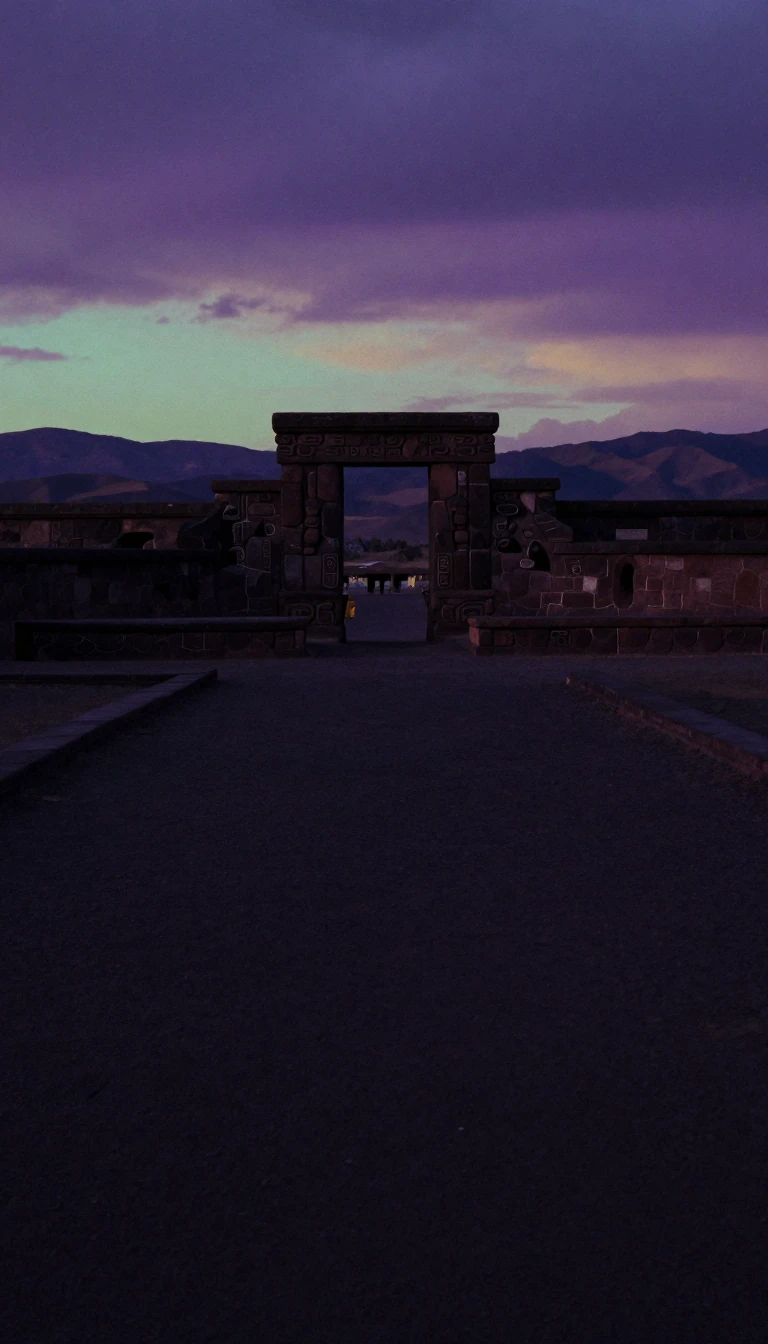
In short: Nestled in the foothills of the Patagonian Andes, Bariloche is far more than a scenic tourist destination. While famous for its Swiss-style architecture and winter sports, this Argentine city also serves as a critical center for nuclear physics, satellite technology, and complex historical narratives involving post-war international intrigue.
San Carlos de Bariloche, situated on the southern shore of Nahuel Huapi Lake, derives its name from the Mapudungun term Vuriloche, meaning people from behind the mountain. Long before European arrival, the region was inhabited by indigenous groups, including the Poya, Puelche, and Tehuelche. By the late 19th century, the area began transforming into a trade hub, largely driven by German-Chilean entrepreneurs like Carlos Wiederhold, who established a shop in 1895 that served as the foundation for the modern settlement. The city's connection to Argentina was solidified through the 1881 border treaty and subsequent infrastructure projects, such as the 1934 arrival of the railroad.
In the 1930s, the city underwent a deliberate aesthetic transformation, adopting the appearance of a traditional European alpine town. Architects like Alejandro Bustillo and Ernesto de Estrada designed iconic structures, including the Civic Centre, which opened in 1940. This period marked the beginning of Bariloche's rise as a premier destination for the Argentine elite. Today, it remains the most popular city in Patagonia, attracting visitors year-round for activities ranging from skiing at Cerro Catedral—the largest resort in South America—to summer hiking and water sports.
Beyond its tourism appeal, Bariloche is a significant scientific powerhouse. It hosts the Bariloche Atomic Centre and the Instituto Balseiro, which provide advanced education in nuclear and mechanical engineering. The city is also home to INVAP, a high-technology firm specializing in space satellites and nuclear reactors. This intellectual environment contrasts with the city's mid-20th-century history, which includes the failed Huemul Project—an attempt by Juan Domingo Perón to build a fusion reactor—and persistent, though often sensationalized, claims regarding the presence of Nazi war criminals who sought refuge in the region after World War II.
The city's climate is characterized by a marked west-to-east precipitation gradient, with the Andean peaks receiving up to 4,000 mm of annual rainfall compared to 600 mm in the Limay River area. This diverse landscape supports a unique mix of dense forests and alpine wilderness, cementing Bariloche's status as a vital, multifaceted hub in the Argentine Patagonia.
Opens the Intellect+ feed with this card first. Swipe up for the next one.
Sources
- Summary by Intellect · source: Bariloche
- Also: Wikidata — Bariloche · CC0
- Also: Wikidata — Bariloche · CC0
To cite this card, link to https://intellectplus.co.uk/app/places-bariloche.
How we source, check and correct cards: Editorial standards.
General information, not professional advice. Spotted an error? Flag the card or see corrections and complaints.
Intellect Plus is a visual educational discovery platform for exploring fascinating facts and ideas. Brain Food, Not Brain Rot. What is Intellect Plus?
Related
More in Countries and other regions · More in Countries & Cities · Latest · A–Z · All topics
