Beeswax is the ancient, indestructible plastic that built the foundations of human history
In short: Long before synthetic polymers, humanity relied on a natural substance secreted by bees. From Egyptian tombs to Viking shipwrecks, this versatile material has served as everything from an artistic medium to a surgical tool. It is a resilient, edible, and endlessly reusable substance that remains a cornerstone of modern industry.
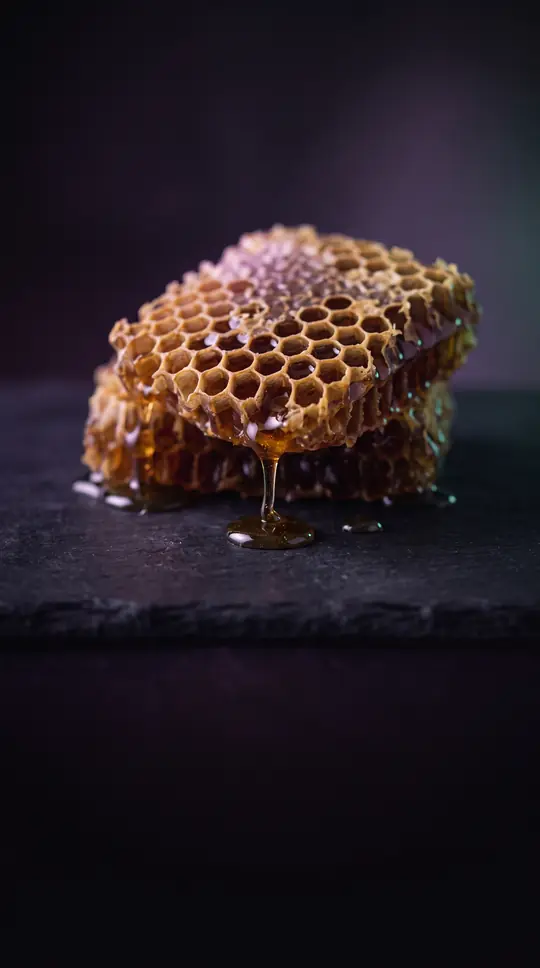
Produced by worker bees from eight specialized abdominal glands, beeswax begins as clear, glass-like scales. To create these, bees must maintain hive temperatures between 33 and 36 °C, metabolizing honey into wax through fat cells. While estimates vary, it takes roughly 6.66 to 8.80 kilograms of honey to yield one kilogram of wax. Once secreted, the wax is chewed and mixed with pollen, turning opaque and yellow as it is shaped into the hexagonal cells of the honeycomb.
Chemically, beeswax is a complex mixture of fatty acid esters and long-chain alcohols. It is remarkably durable; it never spoils and can be melted and reused indefinitely. This stability made it the world's first plastic. Archaeological evidence of its utility spans millennia, appearing in Roman ruins, Viking vessels, and Egyptian tombs. Its applications have been vast: ancient civilizations used it for dental fillings, writing tablets, and the lost-wax casting process, while later societies employed it to stabilize explosives like Torpex or seal legal decrees.
Today, the material remains vital across diverse sectors. It is an approved food additive (E901) used to coat cheese and fruit, a key ingredient in high-end cosmetics, and a specialized tool in medicine, where it serves as surgical bone wax. In 2020, global production reached 62,116 tonnes, with India leading the market. Despite its ubiquity, the industry faces challenges with adulteration, as paraffin and toxic additives are sometimes used to mimic the genuine, honey-scented aroma of pure wax. Because it is poorly digested by most mammals, it offers little nutritional value, yet it remains a critical resource for everything from surfboard wax to oil spill remediation.
Opens the Intellect+ feed with this card first. Swipe up for the next one.
Sources
- Summary by Intellect · source: Beeswax
- Also: Wikidata — beeswax · CC0
- Also: Wikidata — Beeswax · CC0
To cite this card, link to https://intellectplus.co.uk/app/places-beeswax.
How we source, check and correct cards: Editorial standards.
General information, not professional advice. Spotted an error? Flag the card or see corrections and complaints.
Intellect Plus is a visual educational discovery platform for exploring fascinating facts and ideas. Brain Food, Not Brain Rot. What is Intellect Plus?
Related
More in Capital cities · More in Countries & Cities · Latest · A–Z · All topics
