How a tiny Caribbean capital became a global heavyweight in sports and finance
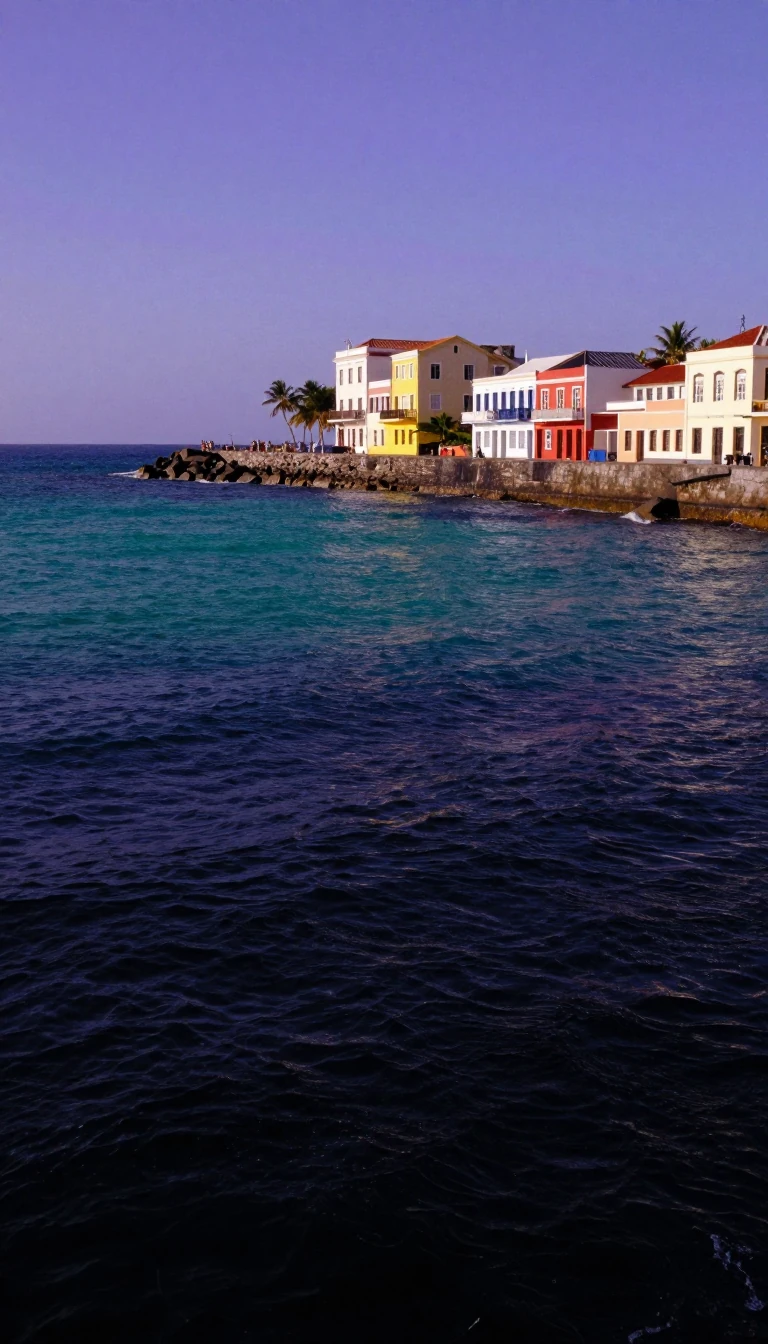
In short: Founded in 1627, Basseterre has evolved from a French colonial outpost into a vital Eastern Caribbean hub. Despite its modest size, this low-lying city has outmaneuvered global powers to host international sporting events and serves as the financial heartbeat of the region, housing the Eastern Caribbean Central Bank.
Basseterre, the capital of Saint Kitts and Nevis, occupies a unique position on the southwestern coast of St. Kitts Island. Its name, meaning low land in French, reflects its geography, though the city is also protected by the island's leeward position, providing a safe anchorage that has historically made it a premier commercial depot. Established in 1627 by Sieur Pierre Belain d'Esnambuc, the town quickly rose to prominence. Under the governorship of Phillippe de Longvilliers de Poincy, it became the capital of the entire French West Indies colony, a status it held until 1660.
The city's resilience is defined by its ability to recover from repeated colonial conflicts, fires, and natural disasters. Most of its current architecture dates to the aftermath of a catastrophic fire in 1867. Today, the city serves as the administrative and financial center of the nation. It hosts the headquarters of the Eastern Caribbean Central Bank and the Eastern Caribbean Securities Exchange, cementing its role as a regional economic powerhouse. This financial influence is matched by its surprising cultural reach; in 2000, Basseterre successfully outbid larger rivals to host the Caribbean Festival of Arts, and in 2007, it became the smallest nation to host a World Cup event.
Beyond its administrative functions, Basseterre is a hub of connectivity and education. It serves as the primary port of entry for the country and is home to specialized institutions like the Ross University School of Veterinary Medicine. While the city's traditional economic engine, the sugar industry, ceased production in 2005, the city has pivoted toward tourism and light industry. From the historic Circus—modeled after London's Piccadilly—to the modern, 15-acre reclaimed land of Port Zante, Basseterre remains a vital, evolving nexus of Caribbean trade, transport, and history.
Opens the Intellect+ feed with this card first. Swipe up for the next one.
Sources
- Summary by Intellect · source: Basseterre
- Also: Basseterre | Saint Kitts and Nevis, Map, & Facts | Britannica
- Also: Wikidata — Basseterre · CC0
- Also: Wikidata — Basseterre · CC0
To cite this card, link to https://intellectplus.co.uk/app/places-basseterre.
How we source, check and correct cards: Editorial standards.
General information, not professional advice. Spotted an error? Flag the card or see corrections and complaints.
Intellect Plus is a visual educational discovery platform for exploring fascinating facts and ideas. Brain Food, Not Brain Rot. What is Intellect Plus?
Related
More in Capital cities · More in Countries & Cities · Latest · A–Z · All topics
