Biscay: The Ancient Basque Territory That Once Controlled the Atlantic’s Most Lucrative Trade Routes
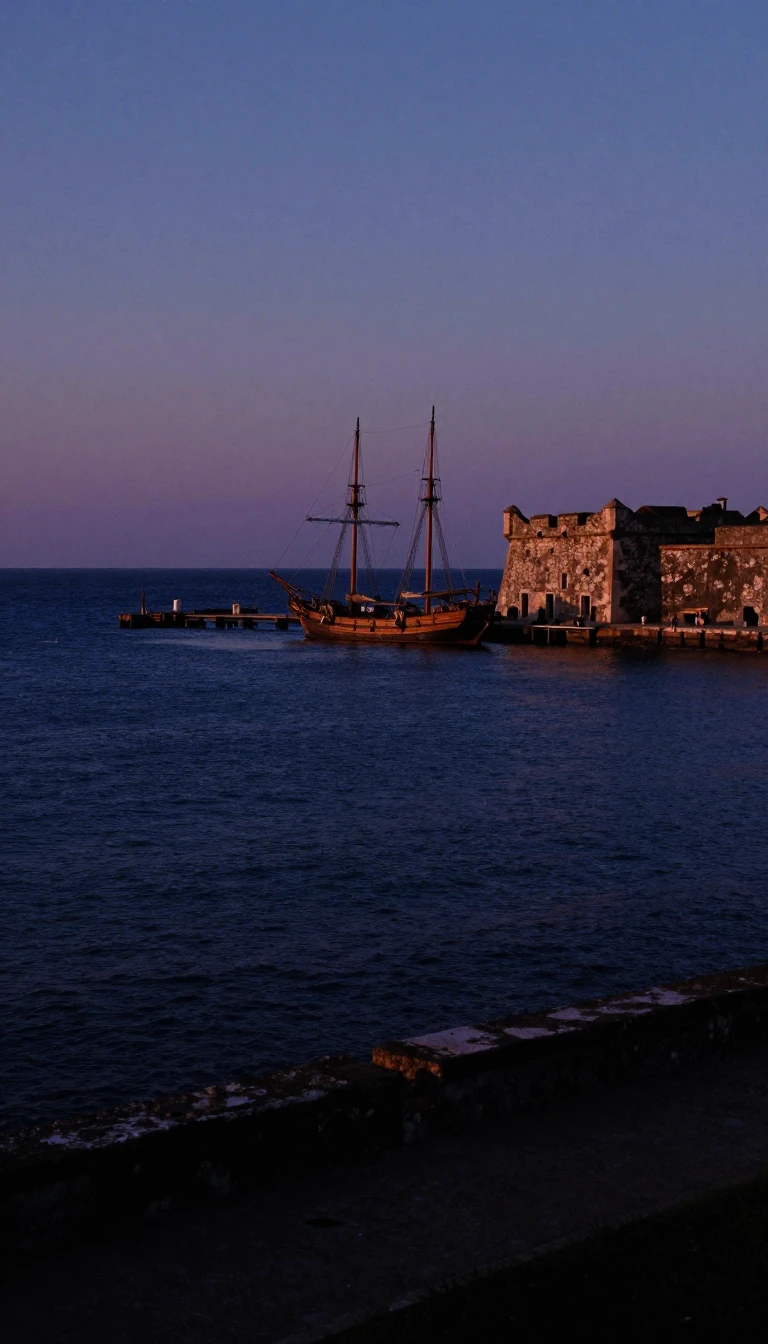
In short: Biscay is more than just a Spanish province; it is a historic powerhouse of the Basque Country. From its Paleolithic roots and mysterious Viking connections to its rise as a premier industrial hub, this region has navigated centuries of shifting sovereignty while fiercely guarding its unique cultural and legal identity.
Inhabited since the Middle Paleolithic, Biscay boasts a rich archaeological record, with caves like Santimamiñe and Benta Laperra revealing evidence of human activity spanning from the Aurignacian to the Magdalenian periods. While Roman influence was minimal, the region’s identity solidified during the Middle Ages. By the 9th century, chronicles like the Códice de Roda began documenting the territory, which was then under the influence of the Kingdom of Navarre. It eventually transitioned into the Lordship of Biscay, a title that later merged with the Crown of Castile.
The Lordship of Biscay was defined by the fuero, a set of customary laws that theoretically granted sovereignty to the Biscayan people, allowing them to challenge their lords. This autonomy was symbolized by the oak of Gernika, where rulers swore to uphold these rights. The region’s strategic geography made it a commercial titan; by the 16th century, the Port of Bilbao became the primary gateway for Castilian trade, shipping wool to Flanders and connecting the Spanish Empire to global markets. Local fleets were so dominant that they were largely responsible for the commercial extinction of North Atlantic right whales.
The 19th and 20th centuries brought rapid industrialization, fueled by abundant iron ore and a lack of feudal castes. However, this era also saw intense political friction. During the Carlist Wars, the Biscayan government supported the traditionalist Carlos V to preserve their foral rights against the centralizing Liberal government in Madrid. Following the anti-Carlist victory, the province faced successive reductions in its autonomy. Despite these pressures, the region has maintained its distinct linguistic and cultural heritage, with Bizkaia serving as the official name in both Basque and Spanish legal frameworks today.
Today, Biscay remains one of Spain’s most prosperous provinces, though its economic focus has shifted from heavy industry to the services sector following the deindustrialization of the 1970s. With a population of over 1.1 million, it stands as a testament to the resilience of Basque traditions, having survived centuries of external influence while evolving into a modern financial and cultural center.
Opens the Intellect+ feed with this card first. Swipe up for the next one.
Sources
- Summary by Intellect · source: Biscay
- Also: Wikidata — Biscay · CC0
- Also: Wikidata — Biscay · CC0
To cite this card, link to https://intellectplus.co.uk/app/places-biscay.
How we source, check and correct cards: Editorial standards.
General information, not professional advice. Spotted an error? Flag the card or see corrections and complaints.
Intellect Plus is a visual educational discovery platform for exploring fascinating facts and ideas. Brain Food, Not Brain Rot. What is Intellect Plus?
Related
More in Africa · More in Countries & Cities · Latest · A–Z · All topics
