The Vosges Mountains are not actually mountains, but the edge of a geologic rift.
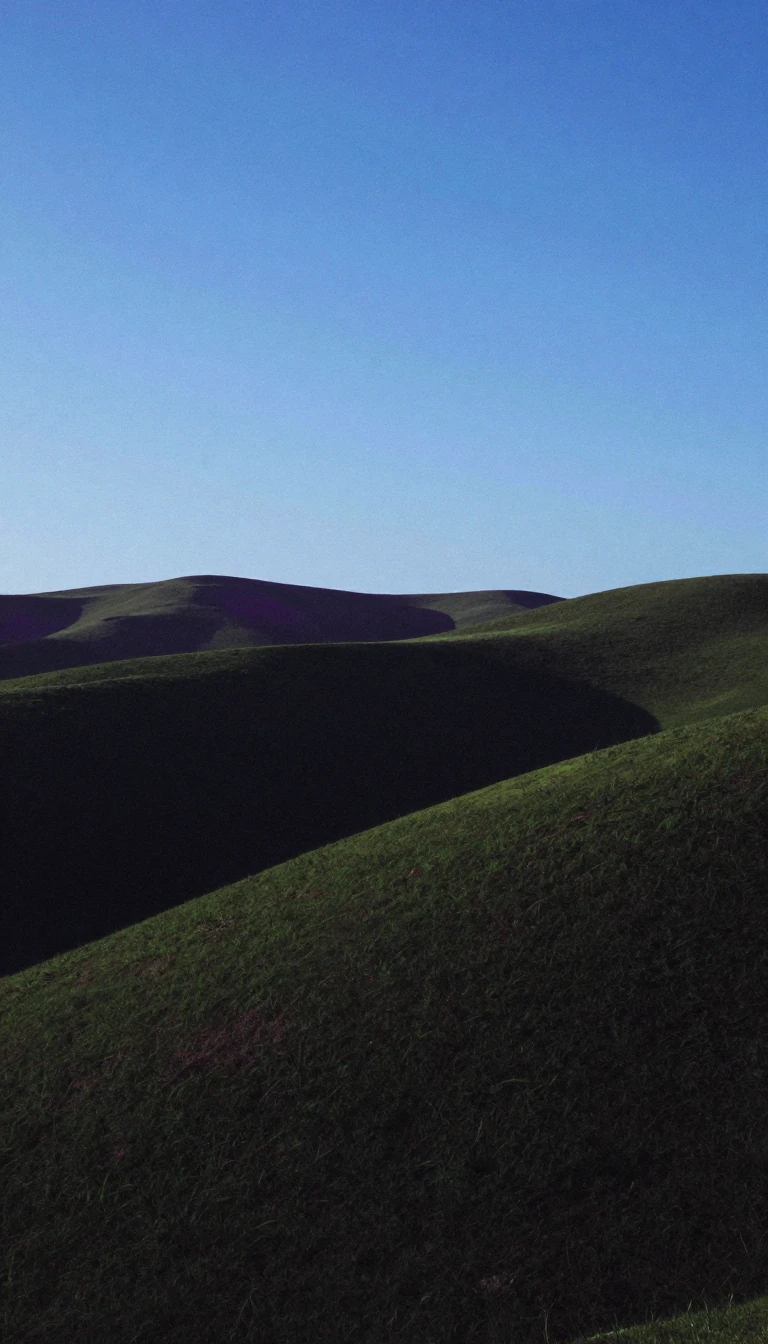
In short: Rising along the eastern border of France, the Vosges range is a striking landscape of forested hills and rounded summits. While they appear as a classic mountain chain, geologists classify them as the western edge of a massive, unfinished rift valley known as the Alsatian graben.
The Vosges extend west of the Rhine River Valley, forming a natural boundary that has historically separated the region of Lorraine from Alsace. While the range is famous for its high peaks, such as the Grand Ballon, its formation is tied to the opening of the Rhine Graben. This major extensional basin caused the earth's crust to thin, triggering an isostatic uplift that pushed the bedrock plates of the Vosges upward. Consequently, the range shares a similar geological history and structure with the Black Forest in Germany, which sits on the opposite side of the Rhine.
The massif is divided into distinct sections based on elevation and composition. The southern and central areas, known as the Hautes Vosges, are characterized by ancient volcanic and metamorphic rocks like granite and gneiss, shaped significantly by glacial erosion. In contrast, the northern sections consist of dislocated plates of Triassic and Permian red sandstone. These varied landscapes have long supported diverse human activity, from traditional textile production and iron mining to modern forestry and tourism, including skiing and hiking.
Beyond its physical geography, the Vosges has been a focal point of European history. The region was once part of the medieval kingdom of Lotharingia, created following the Treaty of Verdun in 843 CE. Over the centuries, the area transitioned through various administrative shifts, eventually becoming a key part of the French department of Vosges. Today, the region balances its industrial heritage with a shift toward service-based economies, science parks, and protected nature reserves, such as the Ballons des Vosges Nature Park, which preserve the range's unique ecological and historical character.
Opens the Intellect+ feed with this card first. Swipe up for the next one.
Sources
- Summary by Intellect · source: Vosges | France, Mountains, Tourism, Facts, & Map | Britannica
- Also: Vosges
To cite this card, link to https://intellectplus.co.uk/app/places-vosges.
How we source, check and correct cards: Editorial standards.
General information, not professional advice. Spotted an error? Flag the card or see corrections and complaints.
Intellect Plus is a visual educational discovery platform for exploring fascinating facts and ideas. Brain Food, Not Brain Rot. What is Intellect Plus?
Related
More in Cities · More in Countries & Cities · Latest · A–Z · All topics
