Why did this Cuban city evolve into a confusing, maze-like labyrinth of streets?
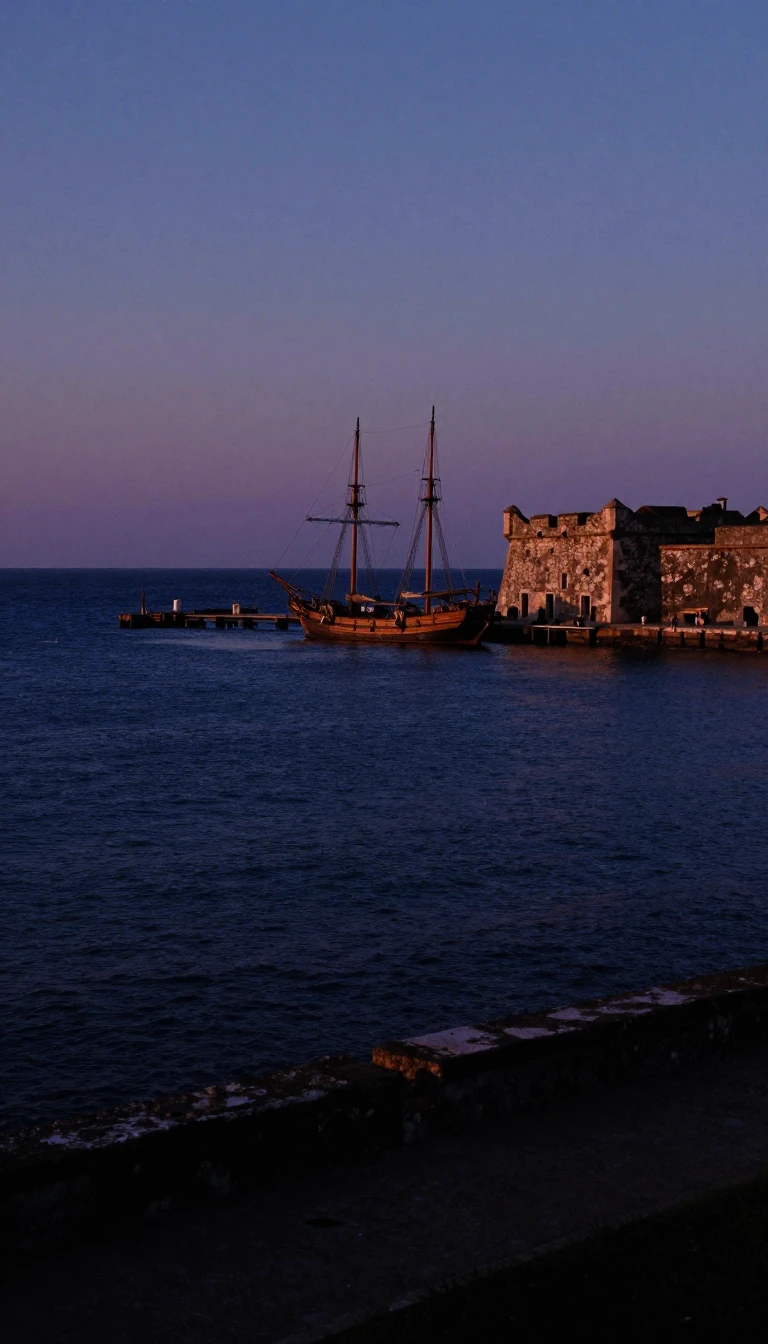
In short: Camagüey, one of Cuba's original seven Spanish settlements, defies typical colonial grid planning. Its historic center is a disorienting network of winding alleys and irregular squares. While some claim this layout was a defensive strategy against pirates, others argue it simply grew organically as residents clustered around local churches.
Founded in 1514 on the northern coast as Santa María del Puerto del Príncipe, the settlement relocated inland to its current site in 1528. This move placed it within a territory that became vital for cattle ranching and sugar production. The 54-hectare historic core remains an exceptional example of traditional urban development, relatively isolated from major trade routes, which allowed it to maintain a distinct character compared to other Latin American colonial towns.
The city's architecture is a layered history of styles, ranging from neoclassical and eclectic to Art Deco and rationalism. This aesthetic variety reflects the influence of medieval European urban planning and construction techniques brought by early Spanish masons. The layout is famously irregular, featuring serpentine streets and unexpected squares that create a maze-like experience for visitors. While popular lore suggests this design was intended to trap invaders like Henry Morgan after his 17th-century raid, local historians often attribute the winding streets to the city's organic expansion around its 15 churches.
A defining cultural symbol of the city is the tinajón, a large clay storage jar. Originally introduced by the Spanish to store wine, oil, and grain, these vessels were repurposed to capture and cool rainwater, providing a solution to local water shortages. The size and decoration of a family's tinajones once signaled their wealth. Today, these jars are ubiquitous, and a local proverb suggests that anyone who drinks from a tinajón will fall in love and never leave the city.
Opens the Intellect+ feed with this card first. Swipe up for the next one.
Sources
- Summary by Intellect · source: Historic Centre of Camagü;ey
- Also: Camagüey
To cite this card, link to https://intellectplus.co.uk/app/places-camag-ey.
How we source, check and correct cards: Editorial standards.
General information, not professional advice. Spotted an error? Flag the card or see corrections and complaints.
Intellect Plus is a visual educational discovery platform for exploring fascinating facts and ideas. Brain Food, Not Brain Rot. What is Intellect Plus?
Related
More in Americas · More in Countries & Cities · Latest · A–Z · All topics
