The oldest permanent European settlement in the Americas hides in plain sight today
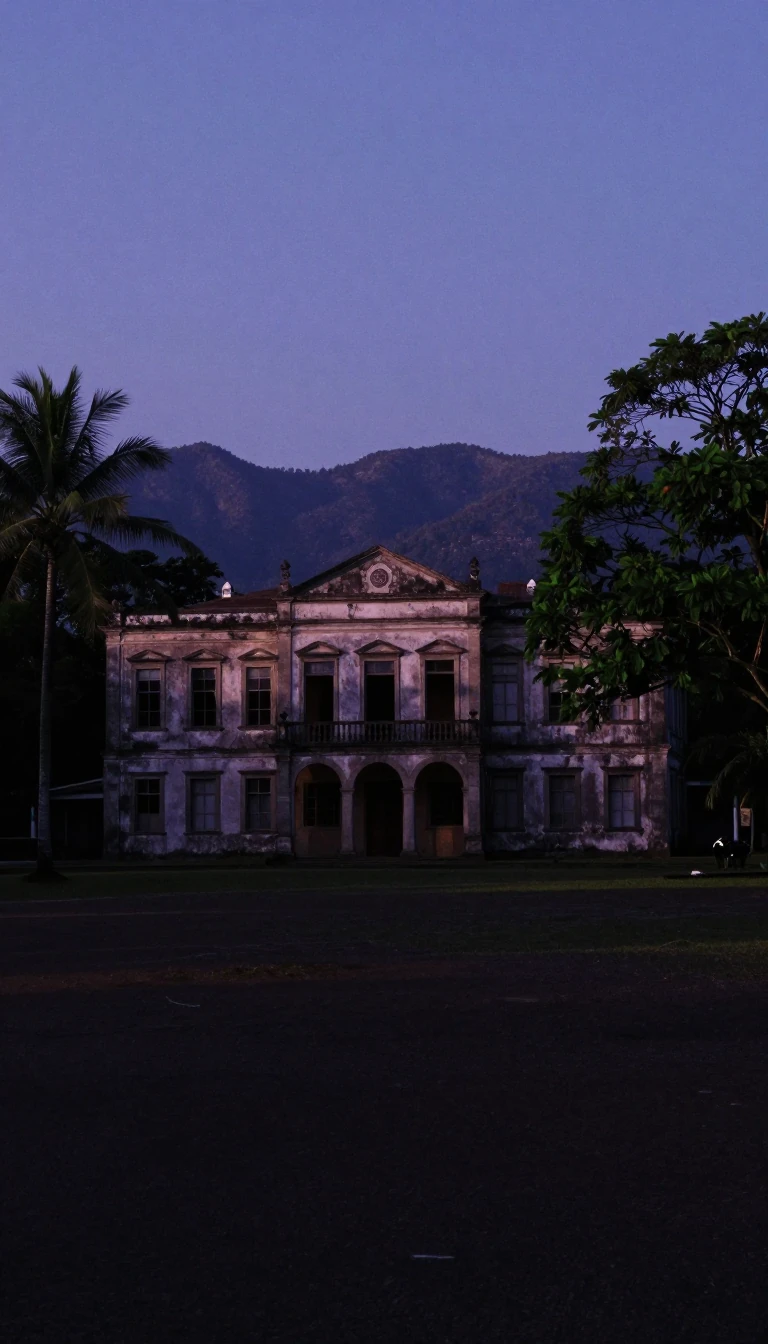
In short: Santo Domingo's Ciudad Colonial is more than a historic district; it is the original urban footprint of Spanish influence in the New World. While modern commerce has shifted elsewhere, this walled neighborhood preserves the first paved streets and colonial palaces that once served as the hub for conquering the Americas.
Established on the west bank of the Ozama River following a destructive 1502 hurricane, the Ciudad Colonial was designed under the leadership of Nicolás de Ovando. It functioned as the primary political and cultural center for Spanish expansion across the Caribbean and mainland territories like Mexico and Peru. Although the city's influence waned as colonial focus shifted toward the mainland, the district remains a dense collection of over 300 historical sites, including the Alcázar de Colón, which served as the palace for Diego Colón.
The area's defensive architecture reflects its turbulent history. In 1655, English forces led by William Penn and Robert Venables attempted to seize the city. The successful defense, commanded by the Count of Peñalva, led to the expansion of the city's fortifications, including the creation of the El Baluarte del Conde. This bastion, named after the Count, remains a testament to the city's resilience against colonial rivals.
Today, the district balances preservation with modern tourism. Landmarks like the 16th-century Cathedral and the cobblestone Calle Las Damas—the oldest paved street in the Americas—anchor the area's identity. While the Trujillo era saw significant monument restoration, such as the 1950s work on the Alcázar de Colón, recent efforts like the US$700 million investment in the Port of Ozama aim to integrate this historic core into the modern cruise industry. The neighborhood continues to serve as the primary tourist destination for the Dominican capital, maintaining its status as a UNESCO World Heritage Site.
The district's evolution from a colonial power center to a cultural landmark highlights the shifting priorities of the Caribbean. From the early naval yards at Las Atarazanas to the pedestrian-friendly Calle del Conde, the Ciudad Colonial remains a living museum that documents the transition from the first European settlements to the modern Dominican Republic.
Opens the Intellect+ feed with this card first. Swipe up for the next one.
Sources
- Summary by Intellect · source: Ciudad Colonial (Santo Domingo)
To cite this card, link to https://intellectplus.co.uk/app/places-ciudad-colonial-santo-domingo.
How we source, check and correct cards: Editorial standards.
General information, not professional advice. Spotted an error? Flag the card or see corrections and complaints.
Intellect Plus is a visual educational discovery platform for exploring fascinating facts and ideas. Brain Food, Not Brain Rot. What is Intellect Plus?
Related
More in World Heritage Sites · More in Countries & Cities · Latest · A–Z · All topics
