How a pirate hideout transformed into a masterpiece of neoclassical urban design in Cuba
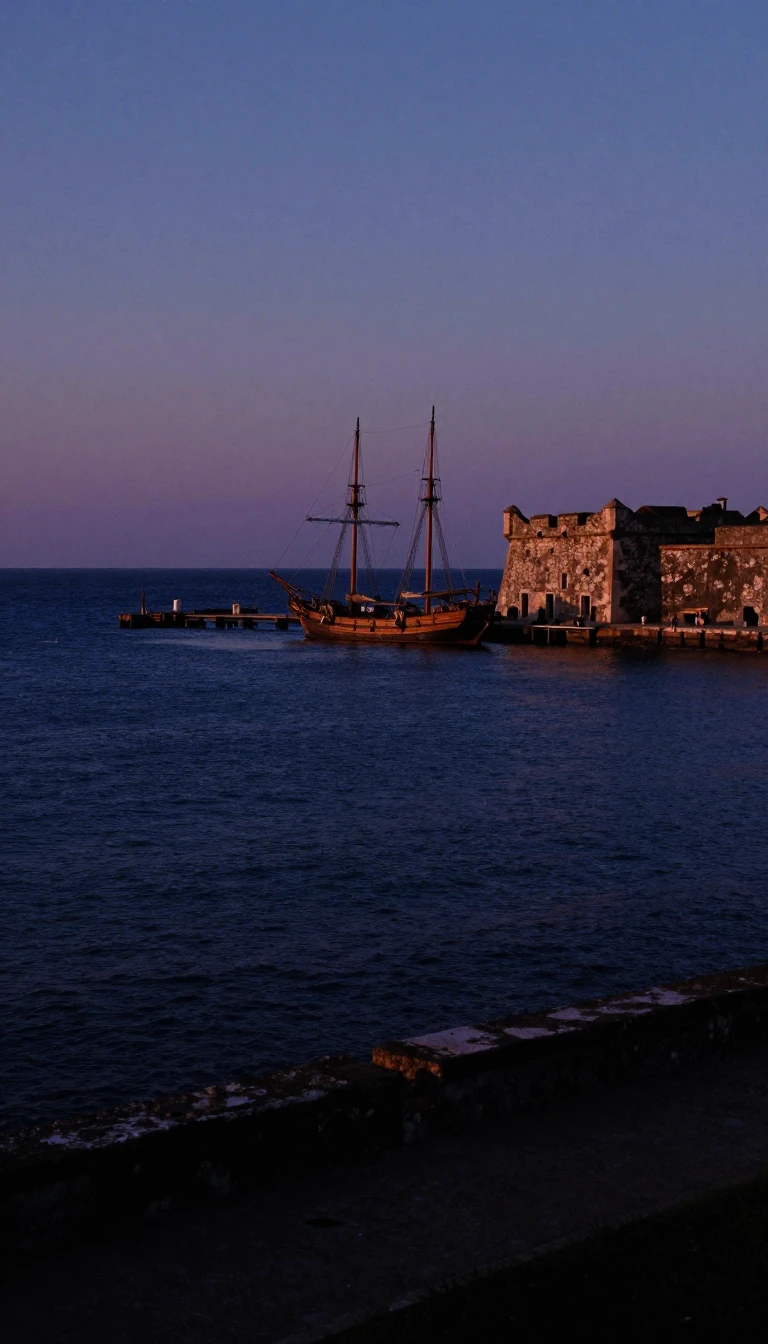
In short: Before it became a UNESCO World Heritage site, the bay of Cienfuegos was a lawless sanctuary for buccaneers and privateers. Today, the city stands as a pristine example of early 19th-century Spanish planning, defined by its rigid grid layout and a remarkable collection of neoclassical architecture that defies the tropical heat.
The transformation of Cienfuegos from a pirate haven into a structured urban center began in earnest during the 18th century. While the bay had been visited by Columbus as early as 1494, it spent decades as a refuge for freebooters who survived by raising cattle and tobacco. To curb this illicit activity, King Philip V of Spain ordered the construction of Fort Jagua in 1742, a defensive structure completed in 1745 that still guards the bay entrance today.
The city as it exists now was formally established on April 22, 1819, by a group of French and Spanish settlers led by Don Luis De Clouet y Favrot. These founders implemented a sophisticated urban plan, organizing the streets into a precise north-south and east-west grid of square blocks. This layout remains the foundation of the historic center, which was recognized by UNESCO in 2005 for its exceptional preservation of neoclassical design.
The architectural landscape of the city is vast, encompassing a wide range of structures from different eras. The historic center contains six buildings dating from 1819 to 1850, followed by 327 buildings constructed between 1851 and 1900, and 1,188 buildings from the 20th century. Notable landmarks include the Reina Cemetery, which is unique in Cuba for retaining its original burial niches, and the Our Lady of the Immaculate Conception Cathedral. Beyond the urban core, the region also features the 97-hectare Botanical Garden of Cienfuegos, which was designated a National Monument in 1989.
This blend of eclectic styles and neoclassical decoration reflects the city's evolution from a colonial outpost into a cultural landmark. By maintaining its original grid and historical building stock, Cienfuegos provides a rare window into the urban planning philosophies of the early 19th century, standing as a testament to the enduring influence of Spanish colonial design in the Caribbean.
Opens the Intellect+ feed with this card first. Swipe up for the next one.
Sources
- Summary by Intellect · source: Historic Centre of Cienfuegos
- Also: Historic Centre of Cienfuegos
To cite this card, link to https://intellectplus.co.uk/app/places-historic-centre-of-cienfuegos.
How we source, check and correct cards: Editorial standards.
General information, not professional advice. Spotted an error? Flag the card or see corrections and complaints.
Intellect Plus is a visual educational discovery platform for exploring fascinating facts and ideas. Brain Food, Not Brain Rot. What is Intellect Plus?
Related
More in World Heritage Sites · More in Countries & Cities · Latest · A–Z · All topics
