Canberra: The planned capital city born from a compromise between two feuding rivals
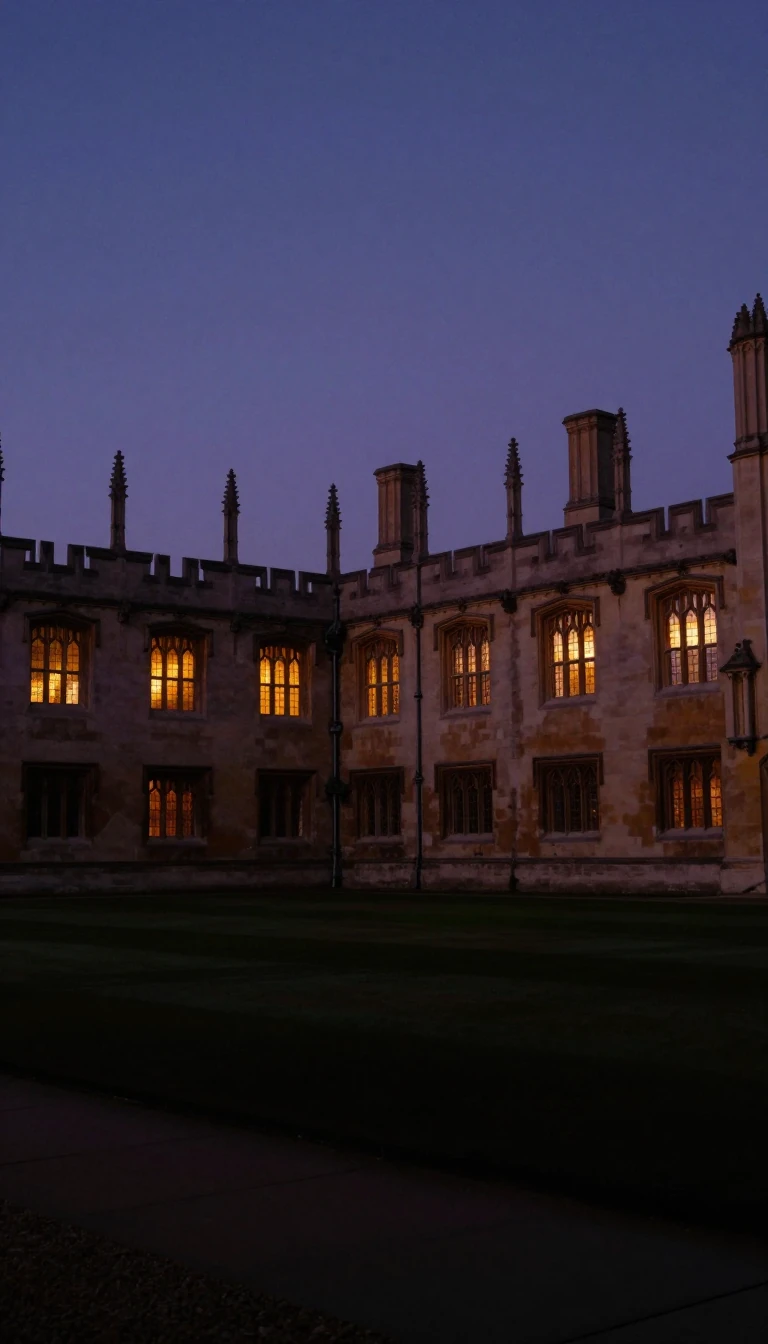
In short: Australia's capital was not a natural metropolis, but a deliberate creation. Chosen as a neutral middle ground to settle a bitter dispute between Sydney and Melbourne, this entirely designed city emerged from an international competition. Today, it serves as the nation's political heart, blending geometric urban planning with rugged alpine surroundings.
Following the 1901 federation of Australian colonies, the young nation faced a deadlock: both Sydney and Melbourne demanded to be the seat of government. To resolve the tension, officials selected a site in New South Wales, stipulating it must be at least 100 miles from Sydney. After years of debate and survey work, the Yass-Canberra region was chosen in 1908. The city was formally founded in 1913, with construction beginning shortly thereafter.
The city's unique layout stems from a design competition won by Chicago-based architects Walter Burley Griffin and Marion Mahony Griffin. Their vision, heavily influenced by the garden city movement, integrated geometric patterns with the local topography. Key landmarks like Black Mountain and Mount Ainslie were used as focal points, while the Molonglo River was dammed to create the central Lake Burley Griffin, a project finally completed in 1964.
Canberra serves as the administrative core of Australia, housing the federal Parliament, the High Court, and numerous national institutions. Despite its planned origins, the city has evolved into a thriving hub with a population of over 480,000. While it remains a center for government and public service, it has also developed a distinct cultural identity, marked by annual festivals and a high quality of life that frequently earns it global recognition.
The area's history long predates European arrival, with Indigenous peoples inhabiting the region for up to 21,000 years. The name itself is thought to derive from local Ngunnawal language, with various interpretations including 'meeting place'. Today, the city balances its role as a modern capital with a deep respect for the land's ancient heritage, maintaining its status as a unique, purpose-built seat of power.
Opens the Intellect+ feed with this card first. Swipe up for the next one.
Sources
- Summary by Intellect · source: Canberra
- Also: Wikidata — Canberra · CC0
To cite this card, link to https://intellectplus.co.uk/app/places-canberra.
How we source, check and correct cards: Editorial standards.
General information, not professional advice. Spotted an error? Flag the card or see corrections and complaints.
Intellect Plus is a visual educational discovery platform for exploring fascinating facts and ideas. Brain Food, Not Brain Rot. What is Intellect Plus?
Related
More in Capital cities · More in Countries & Cities · Latest · A–Z · All topics
