Why a massive prehistoric meteorite shaped the migration of Arctic people to Greenland
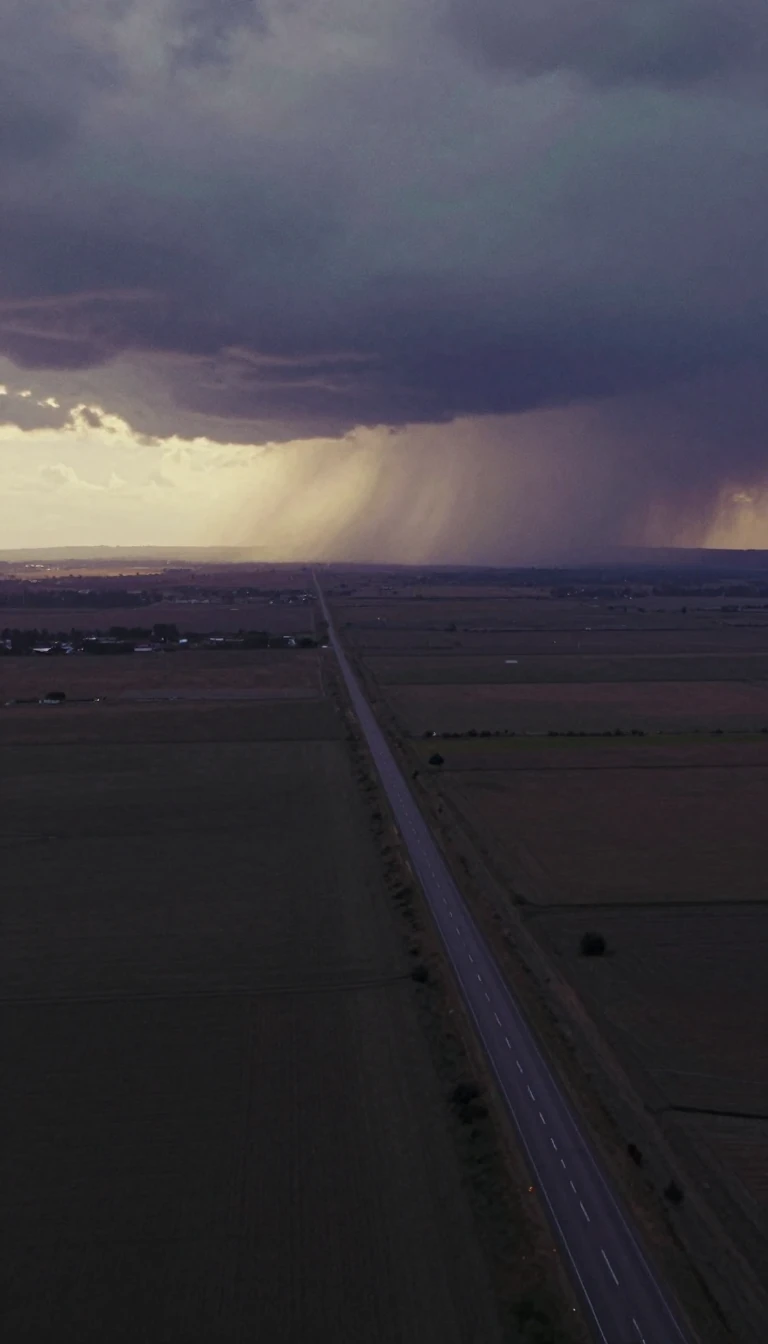
In short: Cape York, a striking promontory on Greenland’s northwestern coast, is more than a geographical landmark. It sits at the heart of a prehistoric mystery involving a massive space rock that shattered 10,000 years ago. This celestial event fundamentally altered human history, drawing migrating Inuit populations across the frozen Arctic landscape.
Located in northern Baffin Bay, Cape York serves as the northwestern boundary of the expansive 190-mile Melville Bay. The surrounding geography is rugged and remote, defined by nearby features like the Crimson Cliffs to the west and the fjords of De Dodes and Sidebriksfjord to the north. While the area once supported a permanent settlement known as Perlernerit just two kilometers away, the region is now best known for its deep connection to the Cape York Meteorite.
The meteorite, which is estimated to have weighed 100 tonnes before its violent atmospheric explosion, left a lasting legacy on the region. Its impact was so significant that it influenced the movement of indigenous groups. Migrating Inuit from Arctic Canada were drawn to the area specifically because of the iron fragments scattered across the landscape. This historical pull is preserved in the name of the nearby settlement, Savissivik, located on Meteorite Island. In the Greenlandic language, Savissivik translates to 'place of meteorite iron,' derived from the word 'savik,' meaning both iron and knife.
The site has long intrigued explorers, including Admiral Robert Peary, who visited the cape during his second Arctic expedition in 1894. Today, the area remains a testament to how a singular, ancient cosmic event can dictate human settlement patterns and cultural development in the most inhospitable corners of the globe. The presence of these iron fragments provided a vital resource for early inhabitants, turning a remote cape into a focal point for survival and technological adaptation in the harsh Arctic environment.
While the cape itself is a prominent projection, the surrounding islands—most notably Meteorite Island—continue to hold the physical evidence of this prehistoric collision. The proximity of Savissivik, situated 37 kilometers west-south-west of the cape, ensures that the story of the meteorite remains central to the identity of the region. By bridging the gap between geological history and human migration, Cape York stands as a unique intersection of space science and anthropology.
Opens the Intellect+ feed with this card first. Swipe up for the next one.
Sources
- Summary by Intellect · source: Cape York (Greenland)
To cite this card, link to https://intellectplus.co.uk/app/places-cape-york-greenland.
How we source, check and correct cards: Editorial standards.
General information, not professional advice. Spotted an error? Flag the card or see corrections and complaints.
Intellect Plus is a visual educational discovery platform for exploring fascinating facts and ideas. Brain Food, Not Brain Rot. What is Intellect Plus?
Related
More in Capes · More in Countries & Cities · Latest · A–Z · All topics
