Why did a Dutch explorer name this desolate Arctic headland Cape Desire?
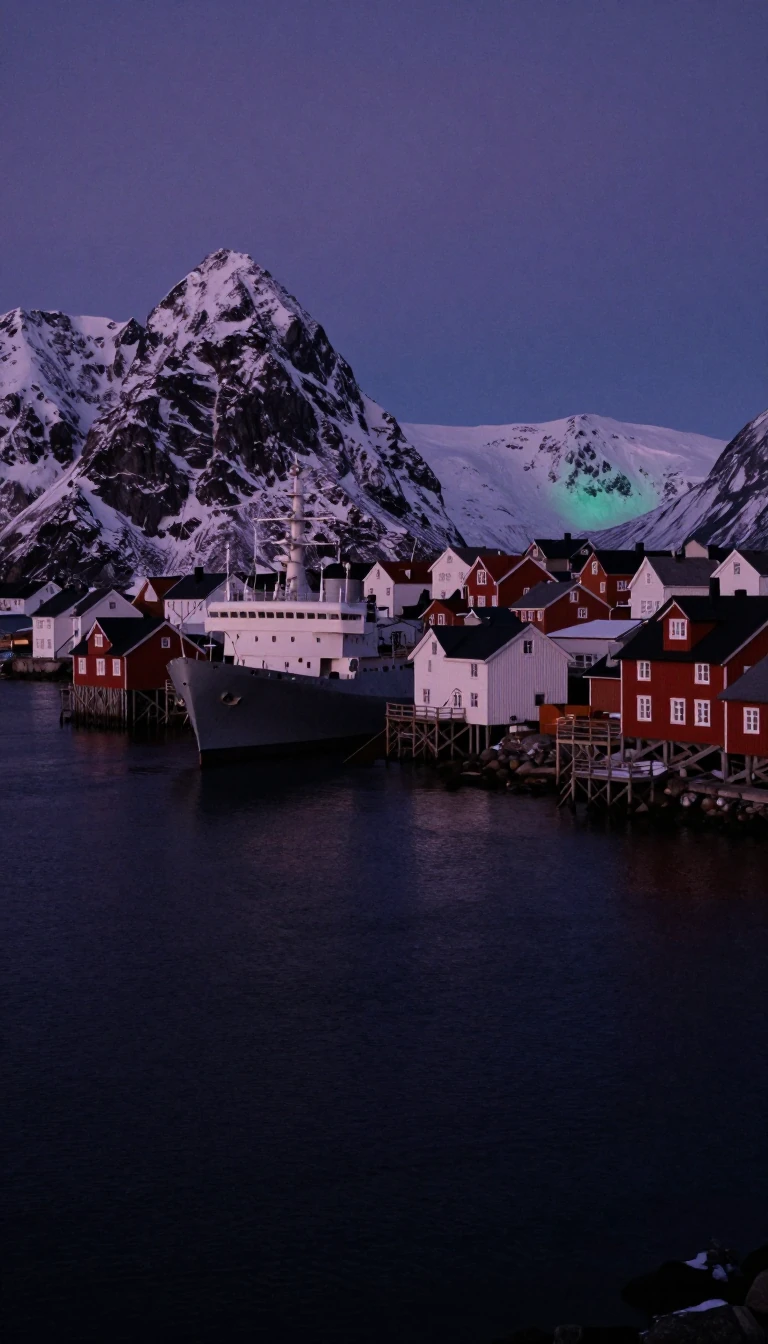
In short: At the northern tip of Novaya Zemlya lies Cape Zhelaniya, a remote headland where bitter Arctic winds define the landscape. Named Cape Desire by William Barents in 1595, this isolated point has served as a strategic weather station, a target for naval warfare, and a silent witness to Cold War nuclear testing.
Located at the northern extremity of Severny Island, Cape Zhelaniya marks the geographic divide between the Barents Sea and the Kara Sea. Its Russian name, Mys Zhelaniya, translates to 'Cape of Wish' or 'Desire,' a moniker bestowed by the Dutch explorer William Barents during his 1595 expedition. Administratively, this desolate territory falls under the jurisdiction of the Arkhangelsk Oblast within the Russian Federation, and today, the cape and its surrounding environment are preserved as a protected segment of the Russian Arctic National Park.
The history of the cape is marked by its strategic importance during global conflicts. During World War II, the site hosted a Soviet Arctic station that became a target for the German Kriegsmarine. In a military engagement known as Operation Wunderland, the station was shelled, highlighting the cape's vulnerability and significance in northern maritime routes. Following the war, the location transitioned into a clandestine experimental facility during the Cold War era. This period saw the surrounding region of Novaya Zemlya become a primary testing ground for nuclear weaponry, with 88 atmospheric nuclear tests recorded in the area.
Beyond its military and experimental past, the cape has long served as a critical hub for meteorological observation. A weather station operated continuously at the site until 1994, providing essential data on the harsh Arctic climate. In 2005, the facility was modernized with the installation of an automatic meteorological station, ensuring that scientific monitoring continues in this extreme environment. Despite its transformation from a site of exploration to a theater of war and nuclear testing, Cape Zhelaniya remains a vital landmark for understanding the physical and political history of the high Arctic.
The legacy of the cape is deeply intertwined with the broader history of Russian-Soviet polar exploration. As documented by researchers F. Romanenko and O. Shilovtseva, these remote stations were instrumental in the systematic exploration of Arctic seas. While the landscape remains largely desolate and exposed to severe winter conditions, the site continues to function as a point of reference for both geography and the complex history of human activity in the far north.
Opens the Intellect+ feed with this card first. Swipe up for the next one.
Sources
- Summary by Intellect · source: Cape Zhelaniya
- Also: Wikidata — Cape Zhelaniya · CC0
- Also: Wikidata — Cape Zhelaniya · CC0
To cite this card, link to https://intellectplus.co.uk/app/places-cape-zhelaniya.
How we source, check and correct cards: Editorial standards.
General information, not professional advice. Spotted an error? Flag the card or see corrections and complaints.
Intellect Plus is a visual educational discovery platform for exploring fascinating facts and ideas. Brain Food, Not Brain Rot. What is Intellect Plus?
Related
More in Capes · More in Countries & Cities · Latest · A–Z · All topics
