Why the most famous edge of England is not actually the westernmost point
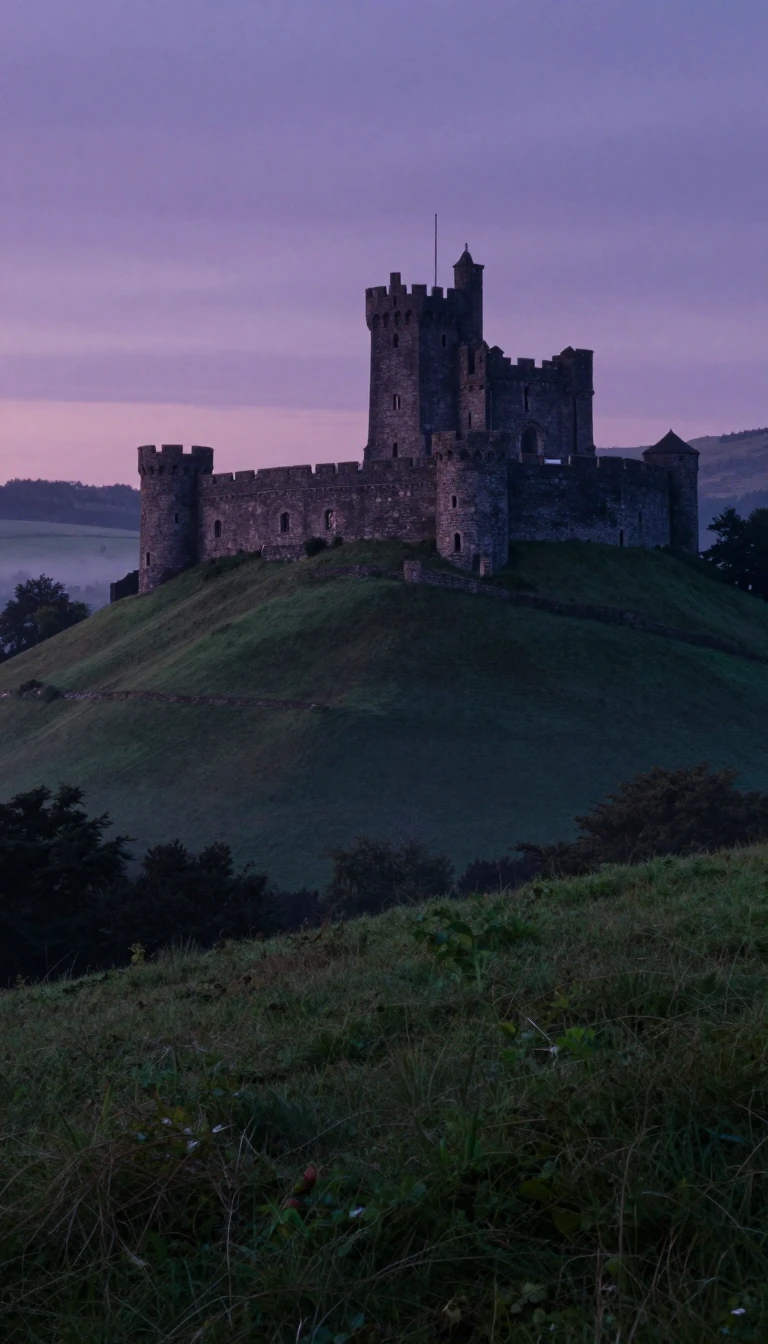
In short: Land's End is a cultural icon, defining the distance of British charity races and legendary end-to-end journeys. Yet, this granite headland in Cornwall is not the true westernmost point of mainland Great Britain. That title belongs to Corrachadh Mòr in the Scottish Highlands, sitting 37 kilometers further to the west.
Land's End serves as a powerful geographic marker, famously anchoring the 838-mile distance to John o' Groats in Scotland. While it holds the title of the most westerly point of mainland England, the actual headland—known as Peal Point—is surprisingly modest. The bustling tourist complex and hotel are situated at Carn Kez, about 200 yards south of the true tip. The area's rugged beauty is defined by granite cliffs dating back 268–275 million years to the Permian period, featuring distinct coarse and fine-grained varieties that reflect the site's complex geological history.
The site has attracted visitors for over three centuries, from the poet John Taylor in 1649 to the Victorian travelers who arrived by horse-drawn carriage. Its history is marked by both development and tragedy. During the Second World War, the hotel suffered damage from Luftwaffe bombs, and in 1985, the site was the location of the Land's End disaster. Ownership has shifted frequently in recent decades; after being held by a Cornish family for generations, it was purchased by Peter de Savary in 1987 for nearly £7 million, sparking the modern theme park development that continues today under Heritage Great Britain PLC.
Beyond its role as a tourist destination, Land's End is steeped in myth and literary allusion. It is associated with the lost land of Lyonesse, a legendary realm mentioned in Arthurian literature that supposedly encompasses the nearby Isles of Scilly and the Seven Stones Reef. Promontories at the site bear names like Dr Syntax's Head and Dr Johnson's Head, referencing 18th and 19th-century literary figures. Today, the area is recognized as an Important Plant Area by the organization Plantlife, protecting rare flora amidst the granite cliffs that have long challenged and inspired those who reach this dramatic edge of the country.
Opens the Intellect+ feed with this card first. Swipe up for the next one.
Sources
- Summary by Intellect · source: Land's End
- Also: Wikidata — Land's End · CC0
- Also: Wikidata — Land’s End · CC0
To cite this card, link to https://intellectplus.co.uk/app/places-land-s-end.
How we source, check and correct cards: Editorial standards.
General information, not professional advice. Spotted an error? Flag the card or see corrections and complaints.
Intellect Plus is a visual educational discovery platform for exploring fascinating facts and ideas. Brain Food, Not Brain Rot. What is Intellect Plus?
Related
More in Capes · More in Countries & Cities · Latest · A–Z · All topics
