Deep in the Swabian Jura, humans created the world's oldest art and music
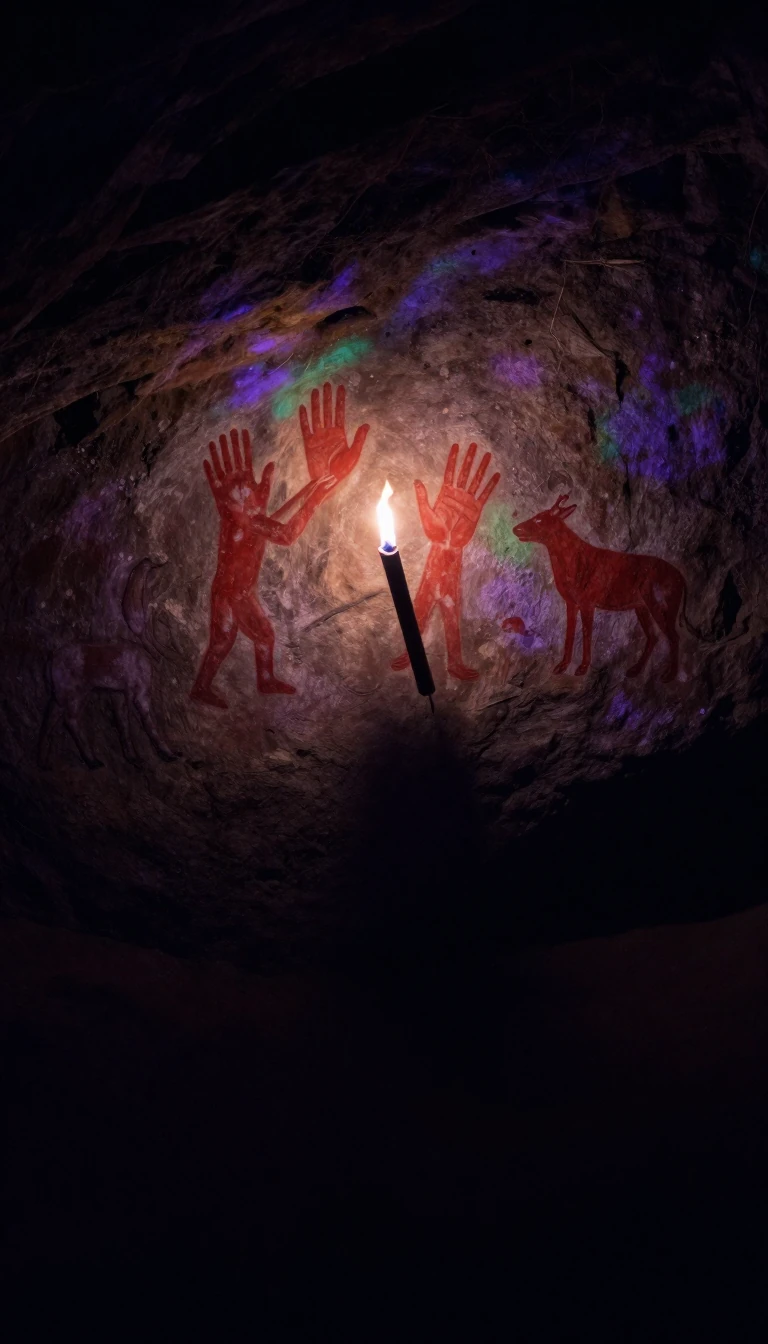
In short: Long before the pyramids, early modern humans in southern Germany were carving intricate figurines and crafting bone flutes. These six caves, inhabited 33,000 to 43,000 years ago, represent a pivotal moment in human history: the birth of symbolic communication, figurative art, and the very first musical instruments ever discovered.
The Swabian Jura caves, inscribed as a UNESCO World Heritage site in 2017, serve as a profound record of the Aurignacian tradition. Spanning roughly 43,000 to 26,000 years ago, this period marked a significant shift as early modern humans migrated into Europe, likely following the Danube River. These settlers utilized the caves in the Lone and Ach valleys not just for shelter, but as hubs for social life, religious practice, and creative expression. The preservation of these sites is a geological stroke of luck; the limestone bedrock, formed 200 million years ago during the Jurassic Period, was uplifted and carved by water, eventually drying out to protect the artifacts left behind.
Among the most significant findings are the bone flutes from the Geissenklösterle cave, dated to approximately 43,150 to 39,370 years ago, which stand as the oldest musical instruments known to science. The site also yielded the Lion-man, aged 41,000 to 39,000 years, and the Venus of Hohle Fels, dated to 42,000 to 41,000 years ago. The latter is recognized as the earliest undisputed depiction of a human in prehistoric art. These objects suggest that by this time, humans were already engaged in complex symbolic thought, creating items of personal adornment like beads and pendants alongside their figurative sculptures.
The caves are often described as a cradle of civilization, reflecting a continuous cultural heritage that spans over 6,000 years. Beyond the physical artifacts, the caves offer a window into the daily lives of these early groups. They were venues for performance and artistic production, where individuals crafted specialized flint blades and carved representations of animals like mammoths and cave lions, or mysterious hybrid humanoid figures. Today, the Urgeschichtliches Museum Blaubeuren near Ulm provides a centralized look at these discoveries, bridging the gap between ancient archaeological findings and modern scientific understanding of our collective past.
Opens the Intellect+ feed with this card first. Swipe up for the next one.
Sources
- Summary by Intellect · source: Caves and Ice Age Art in the Swabian Jura
To cite this card, link to https://intellectplus.co.uk/app/places-caves-and-ice-age-art-in-the-swabian-jura.
How we source, check and correct cards: Editorial standards.
General information, not professional advice. Spotted an error? Flag the card or see corrections and complaints.
Intellect Plus is a visual educational discovery platform for exploring fascinating facts and ideas. Brain Food, Not Brain Rot. What is Intellect Plus?
Related
More in World Heritage Sites · More in Countries & Cities · Latest · A–Z · All topics
