Why these nine remote Pyrenean churches hold Europe’s most significant Romanesque art collection
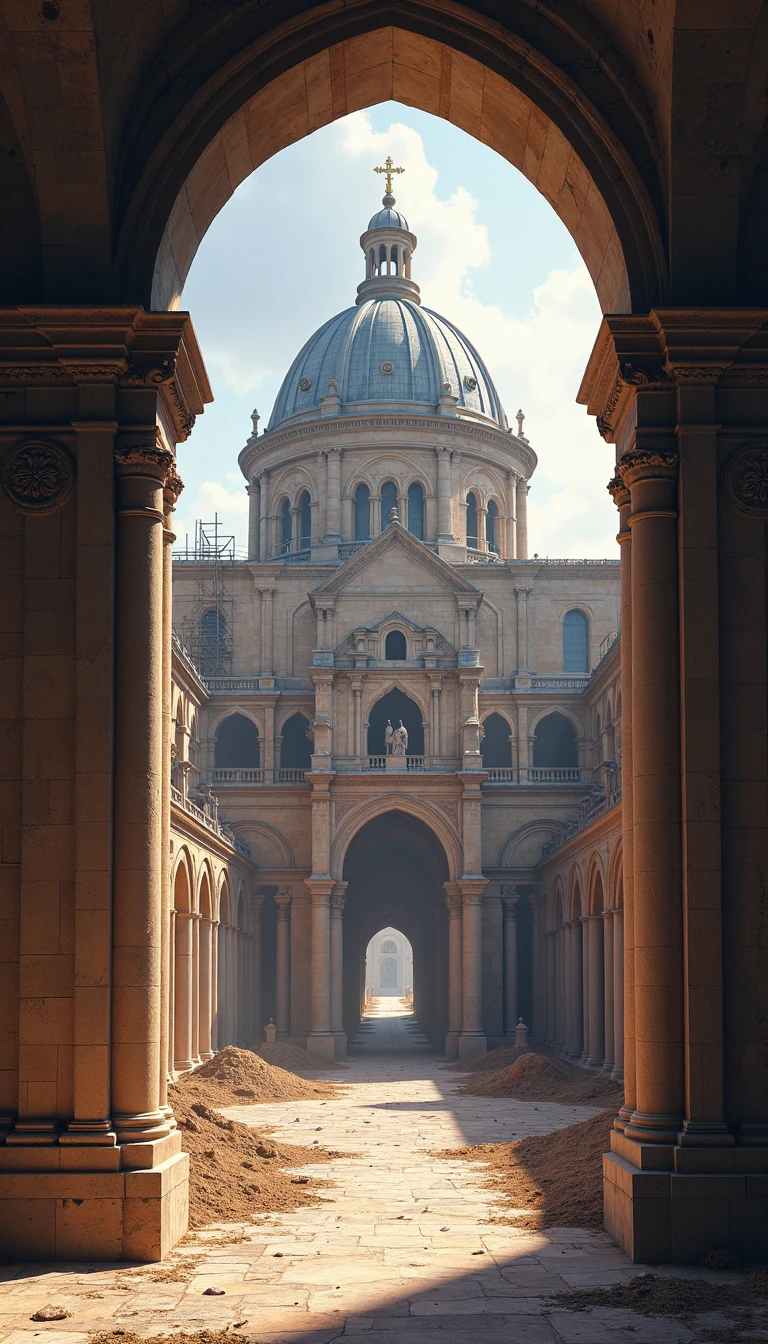
In short: Tucked away in the Catalan mountains, nine stone churches built during the 11th and 12th centuries represent a pinnacle of Lombard Romanesque architecture. Once threatened by the international art market, these structures now stand as a protected UNESCO World Heritage site, housing world-famous frescoes that define medieval cultural traditions.
The Vall de Boí churches, located in the Alta Ribagorça region, emerged during a golden age of Catalan fresco painting. Construction occurred in two distinct phases: the first around 1100, influenced by Aquitaine, and the second in 1123, which blended Lombard styles with sculptural techniques from Toulouse. These buildings are celebrated for their architectural purity and the exceptional richness of their interior mural cycles.
In the early 20th century, the region became a target for art dealers and collectors. Following expeditions by the Hiking Club of Catalonia and the Institute for Catalan Studies, the publication of high-quality reproductions sparked a global frenzy. By 1919, many original frescoes were being sold to private collections and museums in the United States. A notable controversy involved industrialist Lluis Planidura, who hired craftsmen to strip frescoes from isolated churches, including the apse of Santa Maria de Mur, which was sold to the Boston Museum of Fine Arts in 1921.
The Taüll community successfully resisted this trend, refusing to let their local heritage be exported. This standoff led to an agreement involving the Commonwealth of Catalonia and local church authorities to relocate the paintings to the National Museum of Catalan Art in Barcelona. Today, the original murals are preserved in secure museum environments, while the churches themselves feature faithful in-situ reproductions, allowing visitors to experience the spaces as they appeared in the 12th century.
The site remains a focal point for academic study, particularly the church of Sant Climent de Taüll. Consecrated in 1123, it is considered the most architecturally outstanding of the group. Its interior once featured the work of the Master of Taüll, whose Pantocrator fresco is now regarded as a masterpiece of European art. These nine churches were collectively designated as a UNESCO World Heritage site in 2000, ensuring the preservation of this unique Pyrenean legacy.
Opens the Intellect+ feed with this card first. Swipe up for the next one.
Sources
- Summary by Intellect · source: Catalan Romanesque Churches of the Vall de Boí
To cite this card, link to https://intellectplus.co.uk/app/places-catalan-romanesque-churches-of-the-vall-de-bo.
How we source, check and correct cards: Editorial standards.
General information, not professional advice. Spotted an error? Flag the card or see corrections and complaints.
Intellect Plus is a visual educational discovery platform for exploring fascinating facts and ideas. Brain Food, Not Brain Rot. What is Intellect Plus?
Related
More in World Heritage Sites · More in Countries & Cities · Latest · A–Z · All topics
