How three millennia of sheep farming shaped a rugged French mountain landscape
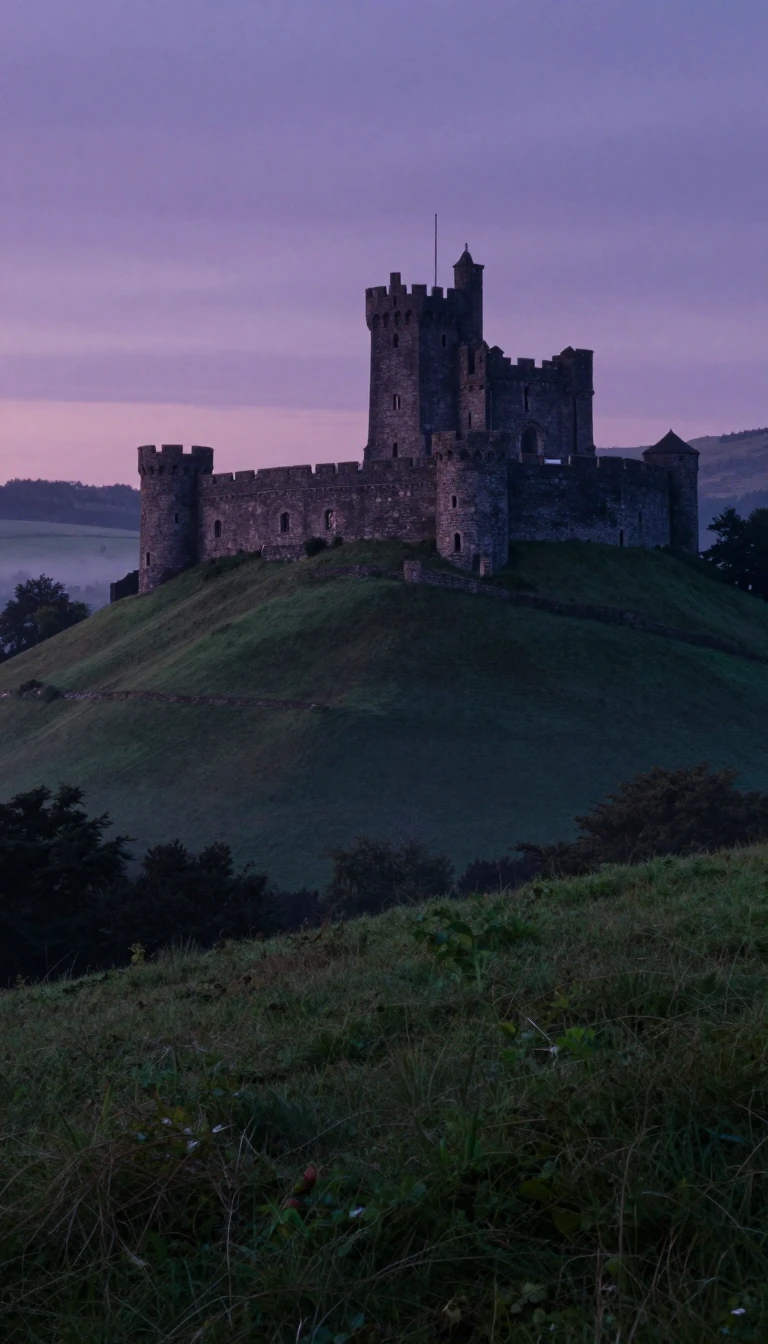
In short: In the Massif Central of France, a unique landscape has been sculpted by 3,000 years of continuous agro-pastoralism. From medieval irrigation networks to ancient droving roads, this UNESCO World Heritage Site preserves a living history of human adaptation to mountainous terrain, where traditional farming methods remain operational today.
The Causses and the Cévennes region, located in southern central France, serves as a remarkable testament to Mediterranean agro-pastoral systems. The mountainous terrain, characterized by narrow valleys, proved unsuitable for large urban centers but ideal for pastoralism. Over three millennia, human activity fundamentally altered the environment, beginning with Bronze Age deforestation to create grazing land for sheep and cattle. This evolution continued through the Middle Ages, when monastic orders, including Benedictine abbeys and the Knights Templar, established sophisticated infrastructure that persists today.
The site’s enduring functionality is rooted in these medieval innovations. Benedictine monks developed complex irrigation systems that divert mountain runoff through underground channels to stone terraces at individual farms. Similarly, the Knights Templar introduced agricultural advancements such as roof cisterns, ponds, and granaries. Farmers still utilize 300 kilometers of medieval droving roads originally designed for moving livestock. Architectural styles also reflect the distinct geography: the open Causses feature limestone farmhouses and winter sheep shelters known as les Jasses, while the Cévennes utilize shale and granite structures, often topped with straw roofs.
The region’s cultural identity was further shaped between the 16th and 18th centuries, a period marked by the production of silk, chestnuts, and sheep, which drove population growth. However, the 20th century brought significant change; the combination of silkworm disease and the First World War triggered a wave of emigration toward larger cities. Despite these pressures, the area remains a protected cultural landscape. After an initial deferral in 2006, the site was successfully inscribed on the UNESCO World Heritage List in 2011, recognized for its outstanding human interaction with the environment and its unique testimony to the longevity of Mediterranean agro-pastoral traditions.
Opens the Intellect+ feed with this card first. Swipe up for the next one.
Sources
- Summary by Intellect · source: Causses and Cévennes
To cite this card, link to https://intellectplus.co.uk/app/places-causses-and-c-vennes.
How we source, check and correct cards: Editorial standards.
General information, not professional advice. Spotted an error? Flag the card or see corrections and complaints.
Intellect Plus is a visual educational discovery platform for exploring fascinating facts and ideas. Brain Food, Not Brain Rot. What is Intellect Plus?
Related
More in World Heritage Sites · More in Countries & Cities · Latest · A–Z · All topics
