Why experienced explorers insist you call them cavers, not spelunkers
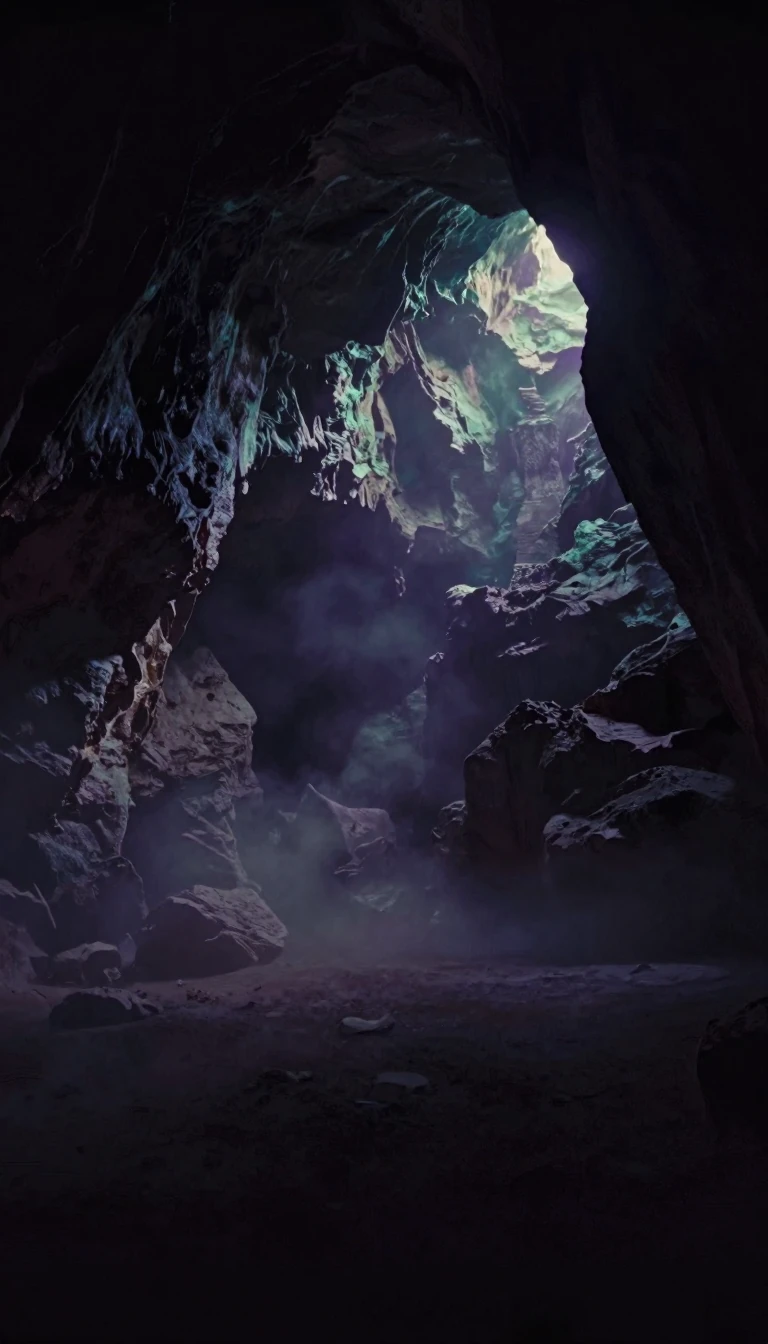
In short: Caving is a demanding pursuit of wild, unmapped subterranean systems. While outsiders often use the term spelunking, seasoned enthusiasts reject it, viewing it as a label for the untrained. True caving requires specialized technical skills, rigorous safety protocols, and a deep commitment to preserving fragile, often unique, underground ecosystems.
Caving, or potholing in the UK, is the exploration of wild cave systems. It is distinct from speleology, which is the scientific study of these environments. The activity gained professional momentum through pioneers like Édouard-Alfred Martel, who explored the Gouffre de Padirac in 1889 and Gaping Gill in 1895. By the mid-20th century, teams in France, such as those exploring the Dent de Crolles, pioneered essential technical innovations like nylon ropes and mechanical ascenders, transforming the sport into a sophisticated discipline.
The distinction between a caver and a spelunker is a point of pride within the community. While 'spelunker' was a common term in the US during the 1950s, it later became considered déclassé. By 1985, the National Speleological Society defined 'spelunker' as someone lacking formal training in modern techniques, whereas a 'caver' possesses the necessary expertise. This divide is often signaled by the community's own merchandise, which humorously suggests that cavers are the ones who must rescue the untrained.
Safety remains paramount, as the environment is inherently hostile, characterized by total darkness, potential flooding, and physical exhaustion. Standard practices include using helmet-mounted lights, carrying multiple backup sources, and employing the single-rope technique (SRT) for vertical navigation. Beyond personal safety, cavers act as stewards of fragile environments. Human respiration can raise cave temperatures and dissolve delicate formations, while even a single footprint can destroy ancient silt deposits. Consequently, organizations like the National Speleological Society, founded in 1941, emphasize conservation alongside exploration.
The fragility of these systems extends to their unique biology. Many caves host species found nowhere else on Earth, such as the Alabama cave shrimp. Because these creatures are adapted to constant conditions, human intrusion can be catastrophic. This is particularly true for bats, which are vulnerable to disturbances during hibernation or migration. In 2009, concerns over white-nose syndrome led to a moratorium on caving in several US states to protect these sensitive populations, highlighting the complex balance between human curiosity and ecological preservation.
Opens the Intellect+ feed with this card first. Swipe up for the next one.
Sources
- Summary by Intellect · source: Caving
- Also: Wikidata — caving · CC0
To cite this card, link to https://intellectplus.co.uk/app/places-caving.
How we source, check and correct cards: Editorial standards.
General information, not professional advice. Spotted an error? Flag the card or see corrections and complaints.
Intellect Plus is a visual educational discovery platform for exploring fascinating facts and ideas. Brain Food, Not Brain Rot. What is Intellect Plus?
Related
More in Basics · More in Countries & Cities · Latest · A–Z · All topics
