Speleology is the rigorous scientific study of the hidden, evolving systems beneath our feet.
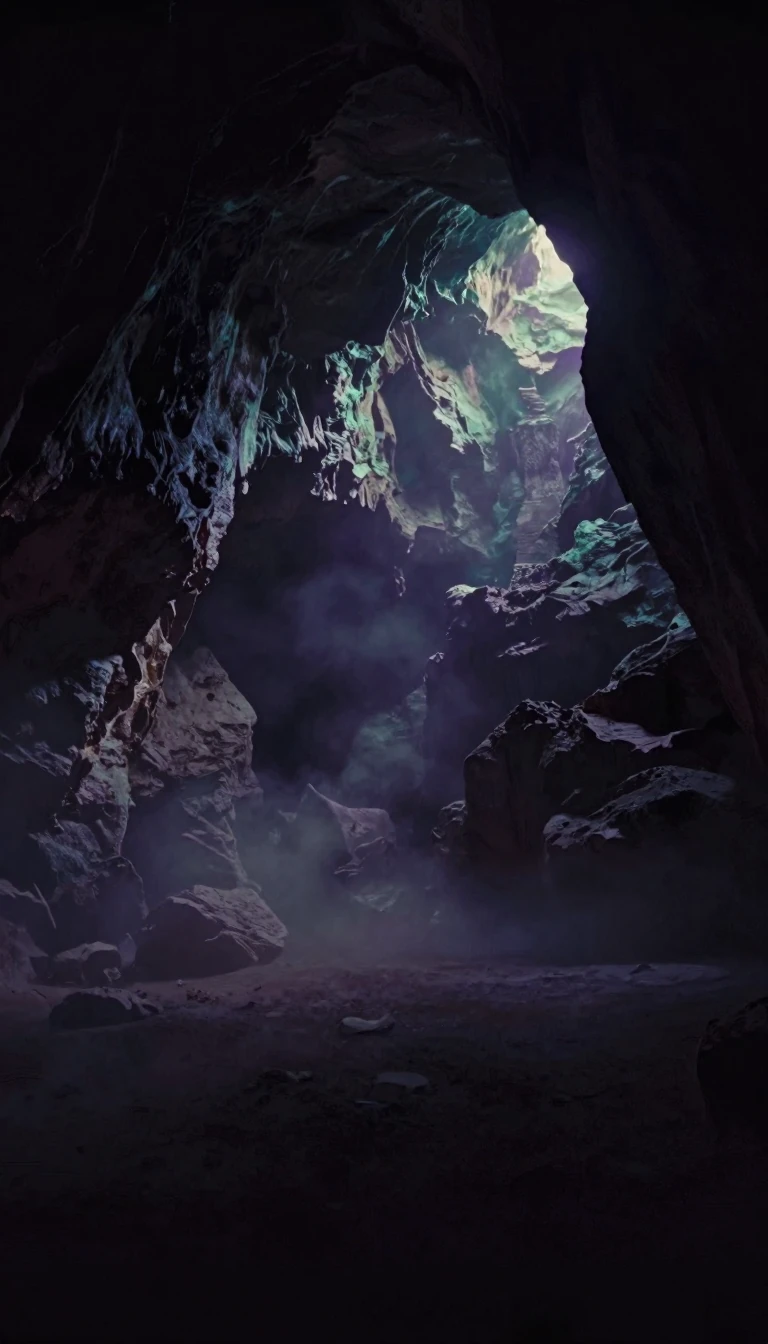
In short: While many know caving as a rugged sport, speleology is the cross-disciplinary science that maps these fragile underground worlds. By blending geology, biology, and chemistry, researchers decode how caves form and sustain unique life, often revealing ecosystems that thrive entirely without sunlight, powered instead by chemical energy from mineral deposits.
Speleology, derived from the Greek words for cave and study, emerged as a distinct scientific discipline in the late nineteenth century. Before this, cave exploration was often relegated to broader fields like geology or archaeology. Édouard-Alfred Martel, known as the father of modern speleology, transformed the field through his extensive explorations and the 1895 founding of the Société de Spéléologie, the world's first organization dedicated to cave science. The discipline has since matured into an international endeavor, marked by the 1965 establishment of the International Union of Speleology.
At its core, speleology examines karst landscapes, where limestone is eroded through chemical dissolution to create complex cave systems. These environments are defined by high humidity, stable temperatures, and limited organic resources. Within these dark reaches, speleothems—mineral deposits like stalactites—act as vital paleoclimatic proxies, preserving a history of the environment. Scientists use detailed surveys, or cave maps, to analyze these structures, providing a spatial framework for understanding speleogenesis and the physical properties of the underground.
The biological aspect of the field, or biospeleology, reveals how life adapts to extreme isolation. While some cave organisms rely on surface energy sources like bat guano, deep hypogean environments can host autonomous ecologies. Here, chemoautotrophic bacteria liberate energy directly from minerals, sustaining life without sunlight. These fragile ecosystems are highly susceptible to human impact, including quarrying, dam construction, and pollution. Because cave ecologies are often rare and slow to recover, speleologists play a critical role in documenting and advocating for the protection of these subterranean habitats.
Opens the Intellect+ feed with this card first. Swipe up for the next one.
Sources
- Summary by Intellect · source: Speleology
To cite this card, link to https://intellectplus.co.uk/app/nature-speleology.
How we source, check and correct cards: Editorial standards.
General information, not professional advice. Spotted an error? Flag the card or see corrections and complaints.
Intellect Plus is a visual educational discovery platform for exploring fascinating facts and ideas. Brain Food, Not Brain Rot. What is Intellect Plus?
Related
More in Geomorphology · More in Nature · Latest · A–Z · All topics
