The plantation house destroyed to win a war
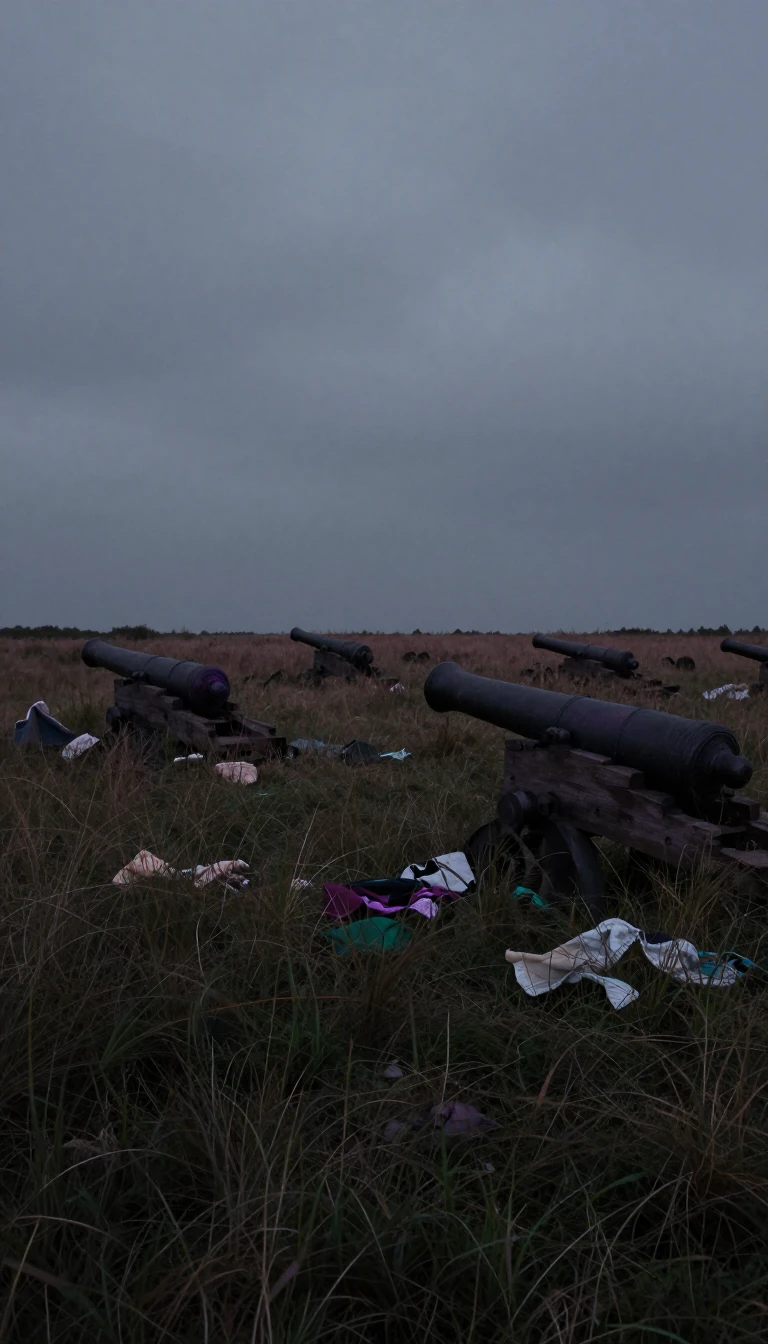
In short: In 1815, the American forces under Andrew Jackson didn't just defeat the British at the Battle of New Orleans; they systematically dismantled the very ground they stood on. To ensure the enemy could never use it for cover again, the Chalmette plantation was completely leveled during the fighting.
The site of this pivotal conflict was a plantation owned by Ignace Martin de Lino de Chalmette. The community itself takes its name from his paternal great-grandmother, Antoinette Chalmette (died 1711). In French, 'Chalmette' translates to 'pasture' or 'fallow land,' tracing back further to the Proto-Celtic word *kalm. The land was first acquired by Louis-Xavier Martin de Lino de Chalmette, a native of Quebec. His eldest son was born on the property and married into the prominent Marigny family. The name was appended to the family lineage specifically to honor his great-grandmother.
The battle took place in January 1815 between American forces led by Major General Andrew Jackson and British forces under Lieutenant General Sir Edward Pakenham. While the Louisiana militia, commanded by Col. Pierre Denis de La Ronde, played a role, Jackson’s order to destroy the plantation was a definitive tactical move to deny cover to the retreating British. Today, this battlefield is preserved as a national monument within the Jean Lafitte National Historical Park and Preserve. The site now features a Greek Revival-style plantation house built in 1830 that remains open for public viewing. It sits adjacent to the national cemetery where fallen soldiers are buried. This area serves as a primary historical landmark within the New Orleans–Metairie–Kenner metropolitan region.
The region has faced significant environmental and structural challenges since its founding. In 2005, Hurricane Katrina caused a 25-foot storm surge to overflow through the Mississippi River–Gulf Outlet Canal (MRGO), flooding much of the town with waters reaching 14 to 15 feet in some areas. This event led to a massive oil spill from the Murphy Oil facility when an oil tank was knocked over and subsequently settled on uneven ground, creating long-term ecological concerns. The catastrophic flooding left most buildings deemed unsalvageable by officials in late 2005. Despite these losses, some businesses on the river side remained functional shortly after the storm. A major Kaiser Aluminum plant also operated in the town for over three decades before the disaster.
Opens the Intellect+ feed with this card first. Swipe up for the next one.
Sources
- Summary by Intellect · source: Chalmette, Louisiana
- Also: Wikidata — Chalmette · CC0
To cite this card, link to https://intellectplus.co.uk/app/places-chalmette-louisiana.
How we source, check and correct cards: Editorial standards.
General information, not professional advice. Spotted an error? Flag the card or see corrections and complaints.
Intellect Plus is a visual educational discovery platform for exploring fascinating facts and ideas. Brain Food, Not Brain Rot. What is Intellect Plus?
Related
More in Bodies of water · More in Countries & Cities · Latest · A–Z · All topics
