Chaozhou: The Ancient Chinese Cultural Hub That Shaped Southeast Asian Commerce and Cuisine
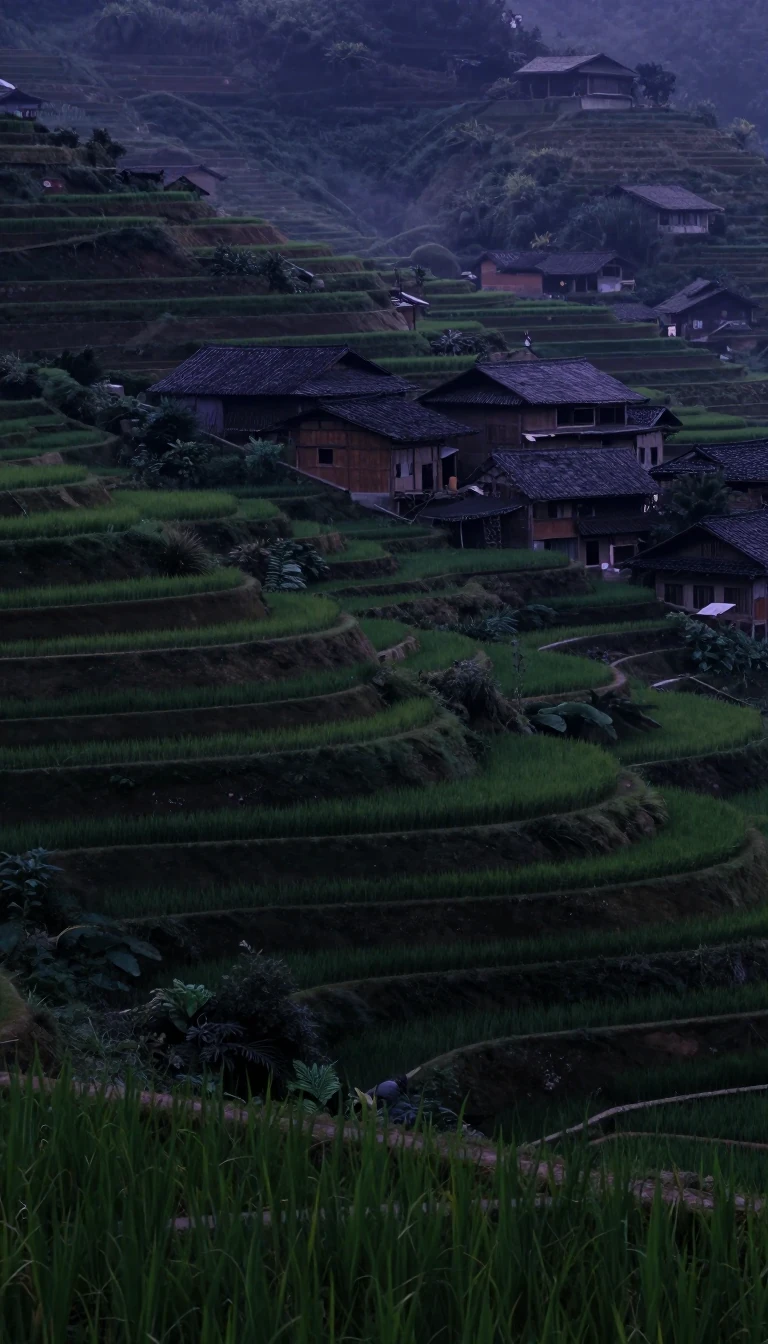
In short: Nestled in eastern Guangdong, Chaozhou is more than a historic city; it is the ancestral heart of a global diaspora. From its ancient tea rituals and unique dialect to its profound influence on the business landscapes of Thailand, Cambodia, and Singapore, this region has quietly defined much of modern Southeast Asia.
Chaozhou, a prefecture-level city in China's Guangdong province, serves as a cultural anchor for the Chaoshan region. Its history is deep, with archaeological evidence from the Chenqiaobei Hill Site suggesting human activity involving fishing, farming, and hunting dating back 5,000 to 6,000 years. By the Shang and Zhou Dynasties, the area had already developed agricultural and bronze-working civilizations. Over centuries, it evolved through various administrative iterations, eventually becoming the prefecture-level city known today.
The city is famed for its conservative dialect—a branch of Southern Min—which preserves Old Chinese pronunciations lost elsewhere. This linguistic identity is central to the Teochew people, a diaspora that has left an indelible mark on global commerce. In Cambodia, Teochew families dominate trade and professional sectors, while in Thailand, many major business dynasties trace their roots back to this region. In Singapore, the Teochew community, once the dominant Chinese group, remains a significant cultural force, maintaining institutions like the Ngee Ann Kongsi.
Chaozhou’s cultural exports are equally distinct. The city is the birthplace of Gongfu tea, a refined ritual dating to the Song dynasty, and the source of the popular 'Bak Kut Teh' dish. Its artistic heritage includes the 500-year-old Chaozhou opera, known for its acrobatic flair, and exquisite wood carving and ceramic traditions. Today, the city balances its historical legacy—exemplified by the 1170 A.D. Guangji Bridge—with modern industrial ambitions, such as a planned 43.3-gigawatt offshore windfarm, even as its local population has seen a slight decline to 2,568,387 residents according to the 2020 census.
The influence of the Chaozhou people extends far beyond their ancestral home. In Hong Kong, they formed tight-knit communities that dominated the grocery trade for decades, while in Vietnam, they were once so numerous they were compared to the abundance of fish in the Mekong Delta. Despite the challenges of the 20th century, including mass migrations and shifting political landscapes, the Teochew identity remains a resilient and vibrant thread in the fabric of the global Chinese diaspora.
Opens the Intellect+ feed with this card first. Swipe up for the next one.
Sources
- Summary by Intellect · source: Chaozhou
- Also: Wikidata — Chaozhou · CC0
To cite this card, link to https://intellectplus.co.uk/app/places-chaozhou.
How we source, check and correct cards: Editorial standards.
General information, not professional advice. Spotted an error? Flag the card or see corrections and complaints.
Intellect Plus is a visual educational discovery platform for exploring fascinating facts and ideas. Brain Food, Not Brain Rot. What is Intellect Plus?
Related
More in Major world cities · More in Countries & Cities · Latest · A–Z · All topics
