Why Qing emperors abandoned Beijing for a sprawling mountain sanctuary in Chengde
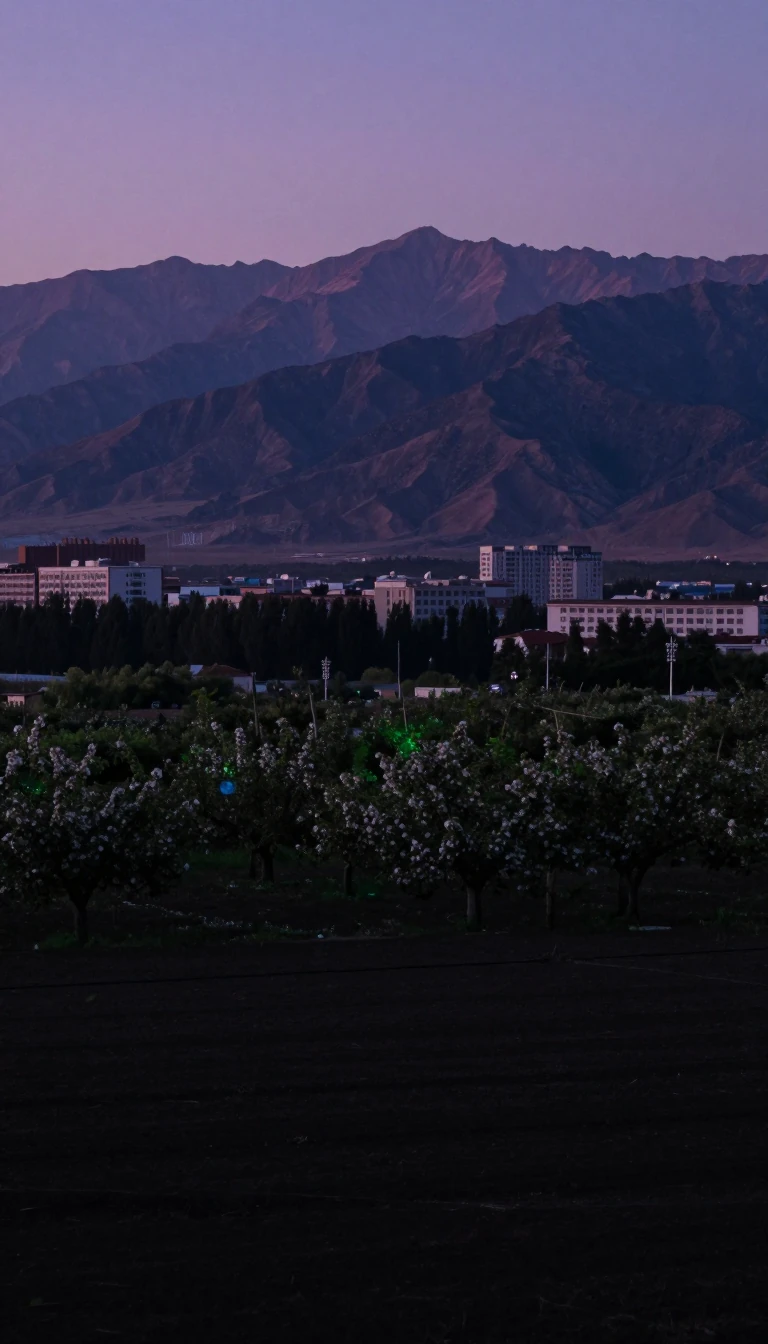
In short: Once the summer capital of the Qing empire, Chengde served as a cool, mountainous escape from Beijing’s sweltering heat. Home to the largest royal garden in China, this city evolved from an imperial playground into a complex political center, leaving behind a legacy of diverse architecture and unique cultural history.
Established as a summer residence in 1703, the Mountain Resort of Chengde became the heart of the Qing dynasty's political life during the warmer months. Spanning over 5.6 million square meters, this vast imperial complex is divided into three distinct zones: lakes, plains, and hills. While the plains were used for hunting and horse racing, the hilly terrain features hundreds of temples and palaces, reflecting the grandeur of an era when the seat of government followed the rulers.
The city’s architectural landscape is defined by the Eight Outer Temples, which surround the resort and showcase styles from across China. Among these, the Putuo Zongcheng Temple, completed in 1771, was inspired by the Potala Palace in Lhasa. Nearby, the Puning Temple, dating to 1755, contains a massive wooden figure of the Bodhisattva Avalokiteśvara, recognized as the tallest of its kind. These structures highlight the empire's reach and its efforts to integrate diverse cultural influences into the imperial landscape.
Beyond its imperial history, Chengde has navigated a turbulent modern path. It served as the capital of Rehe Province during the early Beiyang Republic and endured Japanese occupation from 1933 to 1945. Following the 1948 takeover by the People's Liberation Army, the city was eventually incorporated into Hebei province in 1955. Today, the city is a distribution hub with a population exceeding 3.2 million, known for its unique local dialect and its role as a modern center for international sports, including the 2018 Women's Bandy World Championship.
The region’s geography—characterized by mountainous terrain and a humid continental climate—provides a stark contrast to the nearby capital. While modern dams have dried up much of the 'Hot River' that gave the city its former name, Jehol, the area remains a significant site for both history and tourism. Designated as a UNESCO World Heritage Site in 1994, Chengde continues to bridge the gap between its ancient imperial roots and its contemporary identity as a growing prefecture.
Opens the Intellect+ feed with this card first. Swipe up for the next one.
Sources
- Summary by Intellect · source: Chengde
- Also: Wikidata — Chengde · CC0
- Also: Wikidata — Chengde · CC0
To cite this card, link to https://intellectplus.co.uk/app/places-chengde.
How we source, check and correct cards: Editorial standards.
General information, not professional advice. Spotted an error? Flag the card or see corrections and complaints.
Intellect Plus is a visual educational discovery platform for exploring fascinating facts and ideas. Brain Food, Not Brain Rot. What is Intellect Plus?
Related
More in Major world cities · More in Countries & Cities · Latest · A–Z · All topics
