How a Caribbean pirate haven became the second-largest city in the Danish Realm
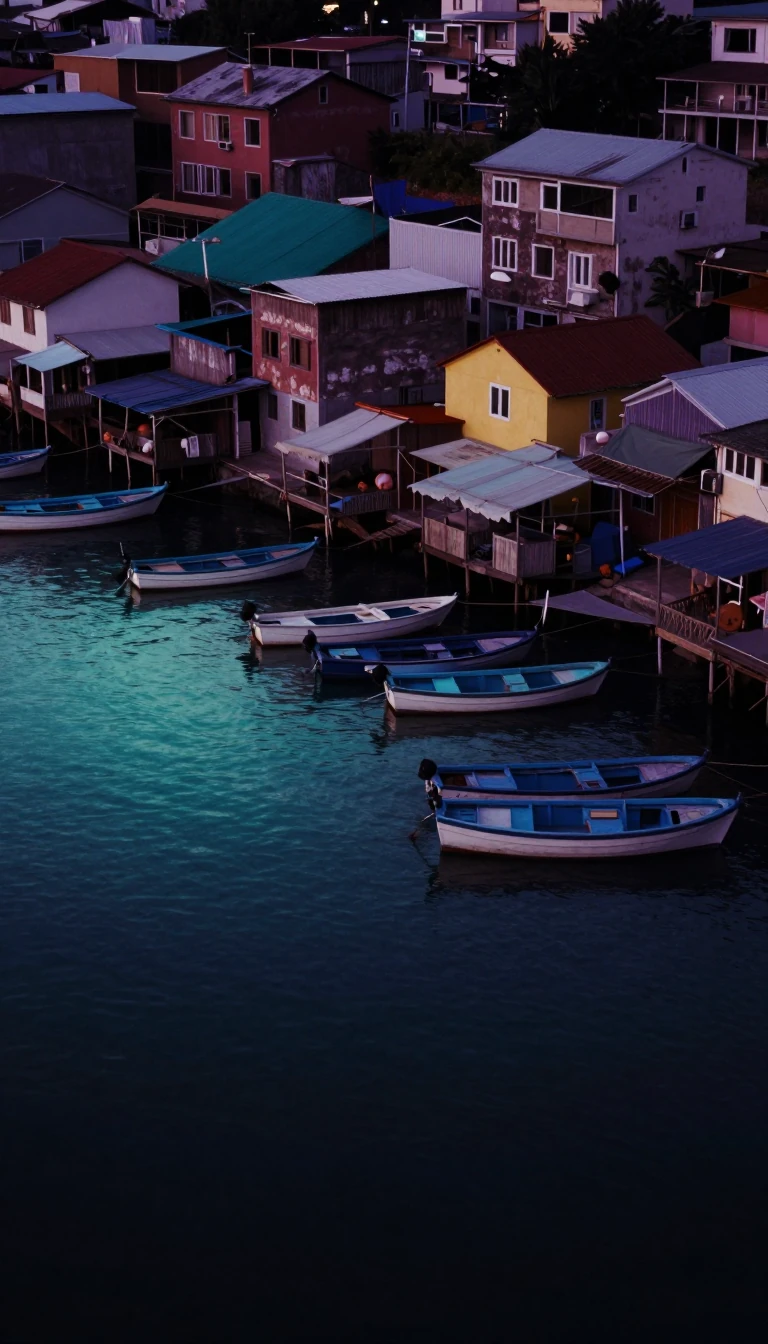
In short: Founded as a beer-soaked outpost in 1666, Charlotte Amalie evolved from a lawless pirate refuge into a bustling colonial trade hub. Today, the capital of the U.S. Virgin Islands balances its deep-water maritime history with a modern tourism economy, all tucked into a narrow, mountainous landscape on Saint Thomas.
Originally established as Taphus—a name derived from the Danish word for beer house—the town was renamed in 1691 to honor Queen Charlotte Amalie of Hesse-Kassel. Its strategic deep-water harbor made it a natural destination for pirates like Blackbeard, but it soon transformed into a vital center for sugar production and the transatlantic slave trade. By the late 18th century, the port was so prosperous that Alexander Hamilton famously remarked that gold moved through its streets in wheelbarrows, and it grew to become the second-largest city under the Danish flag, trailing only Copenhagen.
The town's economic fortunes have shifted dramatically over the centuries. After the abolition of slavery in 1848 and the rise of steamships that bypassed the port, the city endured a long period of dormancy. This changed following the 1917 U.S. purchase of the islands for $25 million. By the mid-20th century, particularly after American tourists were barred from Cuba in 1960, Charlotte Amalie reinvented itself as a premier Caribbean destination. Today, it serves as one of the busiest cruise ship ports in the region, welcoming roughly 1.5 million passengers annually.
The city's unique character is preserved in its historic downtown, which is divided into three distinct quarters: Kongens, Dronningens, and Kronprinsens. These areas feature colonial architecture, including the St. Thomas Synagogue—the oldest under the U.S. flag—and Fort Christian, the archipelago's oldest standing structure. While the city is often cited as one of the hottest inhabited places under U.S. jurisdiction, it remains constrained by its mountainous geography. This limited flatland has forced development onto the surrounding hillsides, creating a distinct urban landscape that overlooks the Caribbean waters.
Opens the Intellect+ feed with this card first. Swipe up for the next one.
Sources
- Summary by Intellect · source: Charlotte Amalie, U.S. Virgin Islands
- Also: Wikidata — Charlotte Amalie · CC0
- Also: Wikidata — Charlotte Amalie · CC0
To cite this card, link to https://intellectplus.co.uk/app/places-charlotte-amalie-u-s-virgin-islands.
How we source, check and correct cards: Editorial standards.
General information, not professional advice. Spotted an error? Flag the card or see corrections and complaints.
Intellect Plus is a visual educational discovery platform for exploring fascinating facts and ideas. Brain Food, Not Brain Rot. What is Intellect Plus?
Related
More in Cities · More in Countries & Cities · Latest · A–Z · All topics
