From peasant staple to global delicacy, the culinary history of the humble intestine
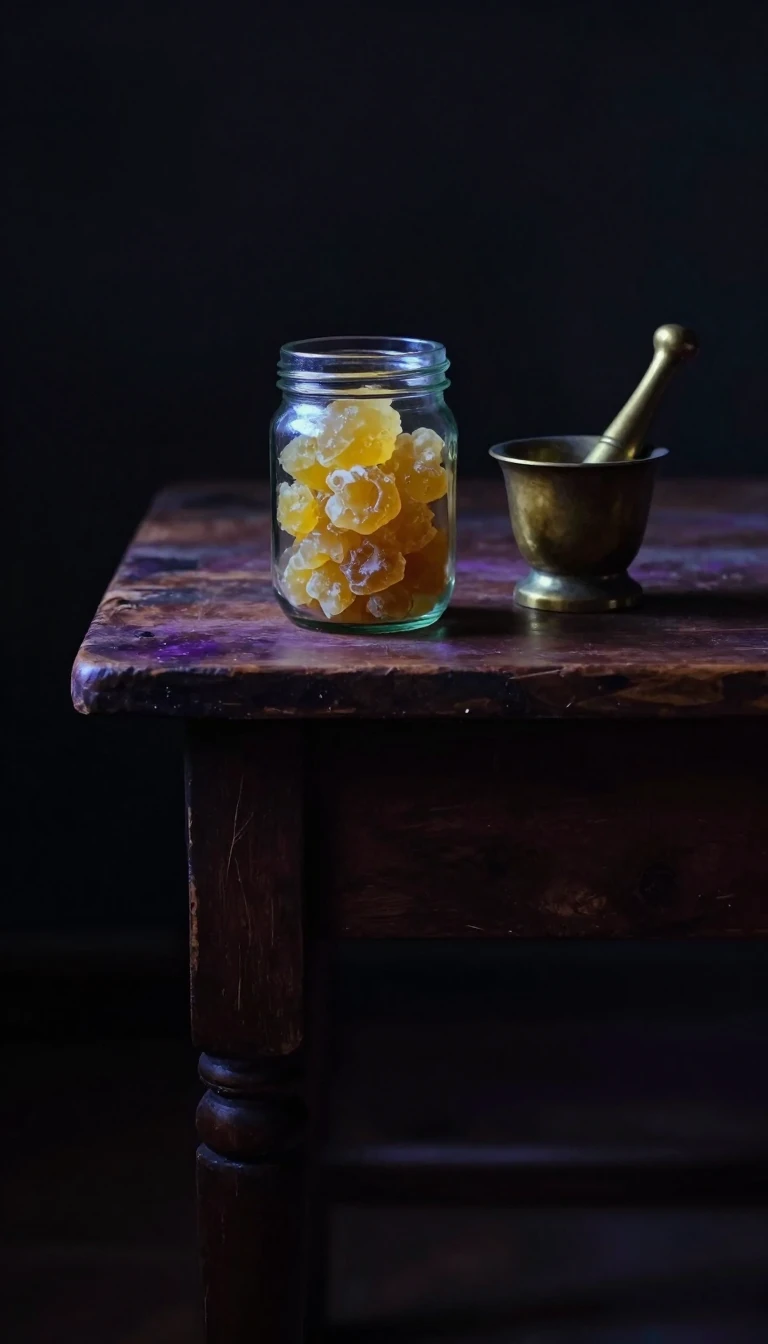
In short: Chitterlings are the intestines of livestock, transformed by cultures worldwide into everything from crispy street food to sophisticated sausages. While once a survival food for the impoverished, these offal cuts require rigorous cleaning to be safe. Discover the surprising global journey of this versatile, often misunderstood, culinary ingredient.
Chitterlings, known as chitlins in the United States, are an culinary umbrella term for the small and large intestines of livestock. In butchery, the large intestine is often called the bung. Because these organs are part of the digestive system, they must be stringently cleaned to remove fecal matter and reduce ammonia odors, mitigating risks from pathogens like Salmonella and E. coli. Once prepared, the texture can vary from gelatinous to springy, making them a versatile ingredient for both casings and standalone dishes.
Historically, chitterlings were a staple for low-income families in medieval England, often serving as a last-resort protein. By the 19th century, they remained a common, if humble, food source. This reputation for being a poor man's meal is reflected in literature, such as Thomas Hardy's Tess of the D'Urbervilles. However, the preparation of intestines is far from uniform. In France, they are central to sausages like andouillette, while in Spain, dishes like gallinejas and zarajo utilize sheep intestines in fried or broiled preparations.
The global reach of chitterlings is extensive. In Mexico, tripas are fried until crispy for tacos, while in Japan, horumon refers to grilled offal dishes. Across China, both small and large intestines are used in stir-fries and soups, with specific names like feichang denoting their fatty nature. In the Philippines, they are enjoyed as street food or in blood stews. Even in New Zealand, Maori culture features terotero, where intestines are braided and boiled. Despite their humble origins, chitterlings have become a diverse, globally recognized culinary tradition.
The ingredient has also sparked modern folklore. In 2013, a viral rumor suggested that the American meat-packing industry was substituting pork bung for squid rings. While this claim originated from a letter aired on This American Life, it was never corroborated, yet it persists as a modern urban legend. Today, while some traditional preparations are becoming rare, chitterlings remain a significant part of pork-eating cultures, bridging the gap between historical necessity and contemporary gastronomy.
Opens the Intellect+ feed with this card first. Swipe up for the next one.
Sources
- Summary by Intellect · source: Chitterlings
- Also: Wikidata — chitterlings · CC0
To cite this card, link to https://intellectplus.co.uk/app/places-chitterlings.
How we source, check and correct cards: Editorial standards.
General information, not professional advice. Spotted an error? Flag the card or see corrections and complaints.
Intellect Plus is a visual educational discovery platform for exploring fascinating facts and ideas. Brain Food, Not Brain Rot. What is Intellect Plus?
Related
More in Major world cities · More in Countries & Cities · Latest · A–Z · All topics
