Offal is the culinary art of transforming discarded animal organs into prized regional delicacies.
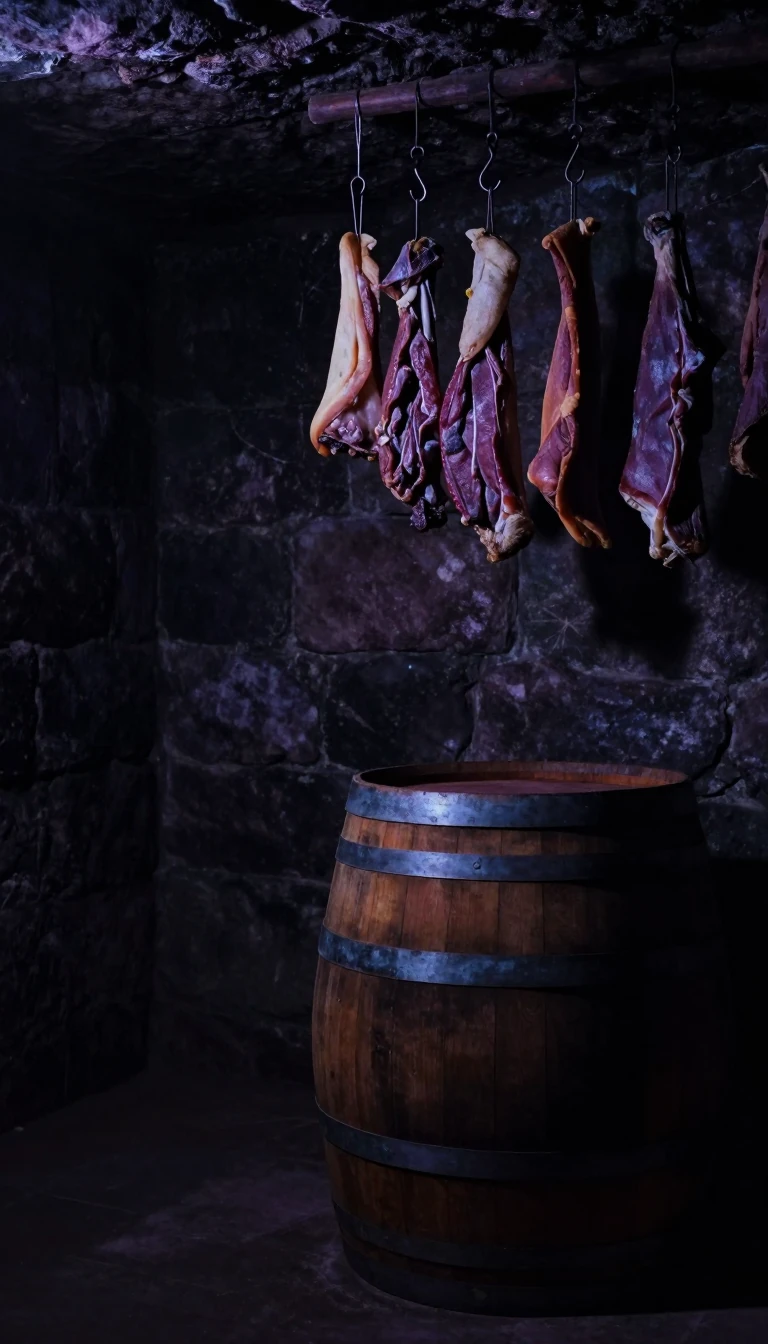
In short: Often dismissed as waste, offal—the internal organs and by-products of butchered animals—has anchored traditional cuisines for centuries. From the Scottish haggis to the Roman pajata, these ingredients are far from garbage. Today, they are experiencing a resurgence, driven by both culinary heritage and a growing awareness of their nutritional density.
The term offal, or 'variety meats,' derives from the Germanic concept of 'off-fall'—the parts that fall away during the butchering process. While some cultures view these organs as taboo, others have long celebrated them as delicacies. Historically, offal was a staple for the poor who could not afford prime cuts, leading to dishes like medieval 'umble pie.' Today, however, many of these preparations, such as foie gras or pâté, are elevated to gourmet status, while others remain deeply rooted in regional identity.
Across Europe, the diversity of offal preparation is vast. In Italy, the Roman dish pajata uses the intestines of unweaned calves, where the residual milk coagulates during cooking to create a creamy sauce. In Norway, the smalahove—a singed, boiled sheep's head—is a traditional Christmas delicacy, while in Romania, drob is a festive Easter dish wrapped in abdominal membranes. These practices highlight a nose-to-tail philosophy that minimizes waste by utilizing everything from brains and hearts to trotters, lungs, and blood.
The modern perception of offal is shifting. While some traditional dishes are losing popularity among younger generations in countries like Spain or Austria, others are finding new life. In Ireland, for instance, offal exports reached €134 million in 2022, and fitness influencers are increasingly promoting organ meats for their nutritional benefits. Whether served as a hangover-curing tripe soup in Turkey or a sophisticated liver pâté in Denmark, offal remains a testament to human ingenuity in the kitchen, proving that what one person calls waste, another calls a feast.
Opens the Intellect+ feed with this card first. Swipe up for the next one.
Sources
- Summary by Intellect · source: Offal
To cite this card, link to https://intellectplus.co.uk/app/nature-offal.
How we source, check and correct cards: Editorial standards.
General information, not professional advice. Spotted an error? Flag the card or see corrections and complaints.
Intellect Plus is a visual educational discovery platform for exploring fascinating facts and ideas. Brain Food, Not Brain Rot. What is Intellect Plus?
Related
More in Organisms · More in Nature · Latest · A–Z · All topics
